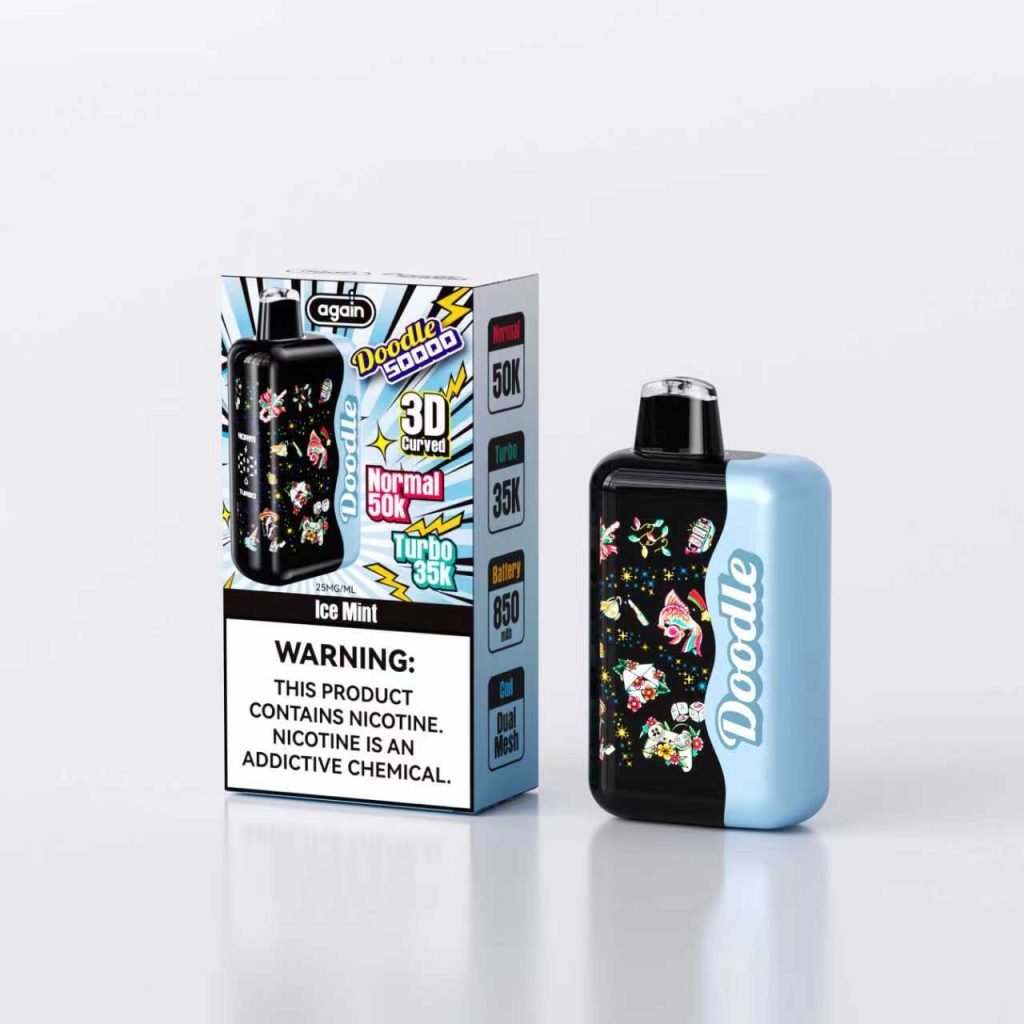
Disposable vapes routinely fall short of their rated puff count in actual use, generating consistent issues across wholesale channels—elevated return volumes, retailer pushback, and eroded end-user confidence that hits margins hard. The disconnect arises primarily from the difference between controlled lab puff testing and the variability of consumer behavior in daily scenarios.
Standardized machine draws produce those headline numbers under tightly regulated conditions, whereas real vaping sessions feature extended inhales, frequent chaining, and diverse draw resistances that accelerate e-liquid and battery consumption. Battery capacity limitations frequently cause shutdowns with liquid remaining, while coil inconsistencies and safety thresholds compound the shortfall. Suppliers emphasizing balanced hardware, robust wicking, and tight production tolerances see markedly fewer such discrepancies reported downstream.
The following sections dissect the main contributing factors from a distribution and manufacturing perspective, compare testing realities to field outcomes, and detail component choices that push performance nearer to advertised levels. These considerations prove essential for wholesalers aiming to stock lines that sustain lower complaint rates and foster reliable reorder patterns.
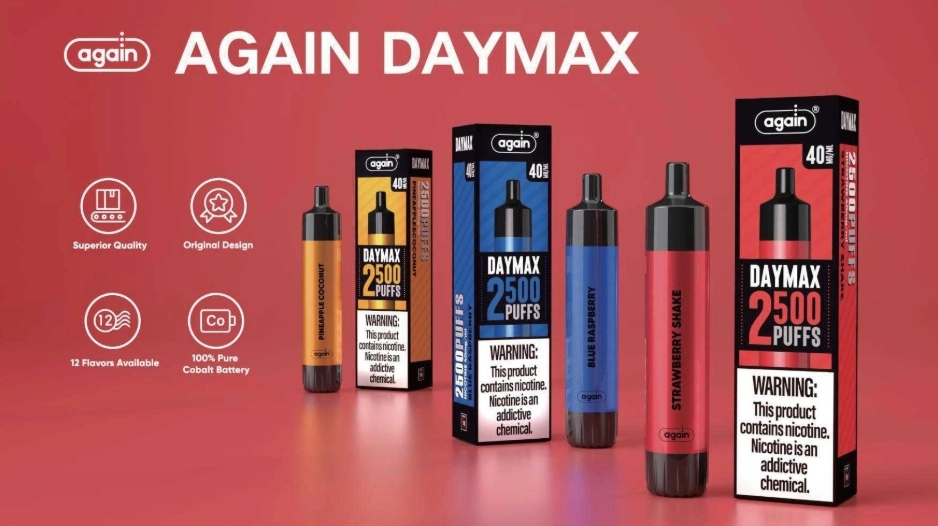
What “Rated Puff Count” Actually Means (And Why It’s Misleading)
Puff counts derive from automated testing equipment adhering to protocols akin to CORESTA or similar industry benchmarks. Rigs execute repeated short draws—typically around 3 seconds—with substantial pauses of 30 seconds or more in stable environmental chambers until the device reaches depletion or cutoff.
Such testing favors abbreviated 1–2 second pulls to generate higher totals suitable for packaging claims. For a 5 ml device, efficient delivery might support roughly 1500–2000 standardized puffs per milliliter under those parameters, though advertised figures often exceed this through deliberately shortened draw simulations.
Consumer patterns diverge sharply. Deeper 3–6 second lung or restricted mouth-to-lung inhales, combined with chain vaping, extract far more vapor per draw and impose greater electrical load. A single prolonged hit can equate to several lab-equivalent puffs in terms of resource drain, while rapid successive draws prevent adequate wick recovery and coil cooldown.
As a result, products labeled for 5500 puffs frequently deliver 2000–3500 in typical hands, occasionally lower among heavy users. Feedback loops in wholesale networks reflect this pattern repeatedly: devices promoted for extended sessions underperform expectations, fueling dissatisfaction that travels back to sourcing decisions.
The Top Real Reasons Disposable Vapes Die Early
A series of interrelated elements drive premature cessation in disposable vapes.
Inhalation style leads the causes. Forceful, prolonged draws deplete e-liquid and battery reserves quicker than the brief, uniform machine puffs that define ratings. This habit alone frequently accounts for the bulk of the observed shortfall.
Battery constraints rank next. Space limitations in portable formats cap most high-puff models at 650–850 mAh. Mesh coils enhance vapor quality but raise power requirements, particularly under repeated deep pulls. When voltage falls below optimal heating levels, the device activates cutoff, often leaving noticeable e-liquid behind.
Frequent chain vaping exacerbates thermal stress. Successive draws restrict coil cooling and wick re-saturation, prompting dry hits, burnt notes, or early engagement of thermal/puff-limit protections designed to safeguard components.
Certain entry-level offerings feature overstated claims outright. Aggressive puff numbers appear without commensurate increases in battery volume, liquid reservoir, or coil robustness, predetermining under-delivery.
Coil and wick variations introduce further inconsistency. Lower-grade cotton struggles with sustained saturation, resulting in localized dry zones and accelerated burnout. Mesh quality differs across suppliers; uneven construction fosters hotspots that shorten effective lifespan.
E-liquid characteristics also factor in. Higher-VG compositions wick more slowly, especially when temperatures drop and viscosity rises. Fluctuations can render liquid too thick for reliable flow or promote unintended evaporation.
Integrated safety features enforce hard limits. Over-puff sensors, low-voltage protections, and preset counters interrupt operation to prevent damage or overuse, yet these engage sooner when consumption patterns exceed conservative thresholds.
In aggregate, these interact dynamically in everyday environments. Distributors handling cost-focused ranges often contend with concentrated return waves linked to “premature failure” or “early burnt taste” reports well ahead of rated figures.
How Premium Disposable Vapes Deliver Closer to Rated Puffs
Reliable disposables mitigate the performance variance through focused design refinements. Elevated battery capacities paired with intelligent power delivery maintain consistent output across discharge cycles, avoiding steep drop-offs near the end.
Mesh coil configurations spread heat uniformly over broader areas, curtailing dry hits and prolonging usability even during moderate chaining. Superior organic cotton ensures swift, dependable liquid uptake under shifting draw demands.
Adjustable airflow provisions accommodate individual preferences, enabling resource-efficient restricted draws for lighter users. Formulations engineered for thermal stability preserve viscosity across typical storage and usage ranges, preventing wicking delays in cooler conditions or excessive thinning in warmer ones.
Rechargeable configurations extend operational windows substantially by allowing interim battery replenishment, surpassing non-rechargeable counterparts in total achievable puffs. Usage indicators—LED-based battery and puff trackers—offer transparency, enabling better consumption pacing and fewer abrupt surprises.
Advanced testing in select lines incorporates varied draw profiles—longer inhales, reduced intervals—to generate estimates more aligned with field performance than pure standardized protocols.
Key Features to Look for in a Long-Lasting Disposable Vape
Wholesale evaluations gain precision by targeting these specifications to curb early-failure incidents:
- Battery ratings from 650–850 mAh with effective management circuitry suited to 5000+ puff classifications.
- Mesh coil implementations for even heating and maintained flavor integrity.
- Adjustable airflow systems to align with varied draw resistances.
- High-performance wick materials resistant to dry burning under load.
- E-liquid blends confirmed stable through temperature cycling tests.
- Rechargeable capability within extended-puff ranges for incremental value.
- On-device indicators displaying battery status and approximate puff progress.
Product families built around these elements exhibit reduced complaint incidence in distribution channels, supporting retailer retention and consistent reorder velocity.
Practical Tips to Maximize Puffs from Any Disposable Vape
Simple user modifications extend device duration noticeably. Draws limited to 2–3 seconds conserve both e-liquid volume and battery charge while preserving sufficient vapor production and throat sensation. Brief 10–15 second pauses between inhales facilitate wick replenishment and coil temperature normalization, diminishing overheating risks.
Storage at ambient room temperatures remains critical; refrigerated conditions impede wicking and strain output, while elevated heat compromises component integrity or accelerates liquid loss. Upon observing diminished vapor density or flavor attenuation, persistent aggressive draws yield diminishing returns and heighten burnt-coil probability.
Rechargeable variants benefit from timely charging prior to complete depletion, safeguarding long-term battery cycle life. Adoption of these approaches commonly yields hundreds of additional functional puffs, enhancing overall perceived durability.
Shenzhen Vapehome Technology Co., Ltd – A Reliable Partner for Wholesale
Shenzhen Vapehome Technology Co., Ltd commenced operations in 2013 from its headquarters in Bao’an District, Shenzhen, within a 10,000 m² specialized facility dedicated to disposable vape research, development, manufacturing, and distribution. The company delivers full OEM/ODM capabilities, servicing dozens of international brands with tailored production solutions.
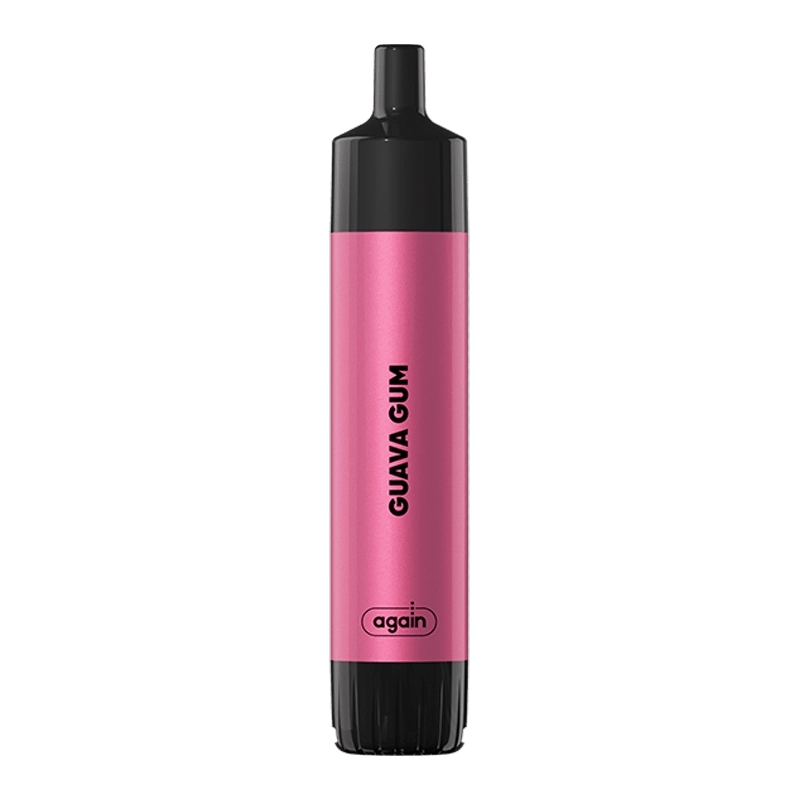
Its proprietary Again brand, introduced in 2020, encompasses nearly ten distinct original designs now available in over 20 countries. All proprietary items incorporate registered appearance patents and utility model patents, demonstrating structured commitment to differentiated, legally protected innovation.
Quality oversight includes systematic raw material screening, continuous assembly-line monitoring, and comprehensive pre-shipment validation. Compliance covers CE, RoHS, and FCC standards as baseline, with supplementary certifications facilitated to address destination-market mandates.
This framework provides dependable supply continuity, competitive commercial terms, efficient lead times, and attentive partnership support—foundational elements for sustained wholesale collaboration.
Conclusion
Advertised puff counts represent outcomes from tightly controlled laboratory protocols, yet inherent variables in consumer inhalation depth, session frequency, battery sizing, coil consistency, and protective mechanisms routinely diminish real-world totals. Disposables featuring harmonized components, refined mesh technology, and disciplined manufacturing practices substantially alleviate these variances.
Wholesalers that select according to these criteria encounter diminished return frequency, more favorable downstream feedback, and greater predictability in product performance. Technical balance combined with rigorous quality execution distinguishes dependable supply options from those susceptible to recurrent early-termination issues.
FAQs
Why does my disposable vape stop working before it reaches the advertised puff count?
Extended real-world inhales deplete e-liquid and battery reserves more rapidly than the abbreviated, standardized draws employed in laboratory testing. Compact battery designs often reach depletion thresholds first, while repeated chain vaping elevates coil temperatures and activates protective cutoffs ahead of schedule.
How accurate are disposable vape puff counts in real life?
Rated figures stem from machine-based protocols utilizing short, uniform puffs in controlled settings. Everyday usage patterns—deeper pulls and inconsistent intervals—typically realize 40–70% of the advertised total, contingent upon personal habits and overall device construction quality.
What makes a disposable vape last closer to its rated puffs?
Increased battery capacities, precision mesh coils, premium wick materials, and thermally stable e-liquid compositions contribute decisively. Rechargeable designs and adjustable airflow further accommodate diverse consumption styles to narrow the performance gap.
Can chain vaping cause a disposable vape to die early?
Successive continuous draws inhibit coil cooldown and wick re-saturation, precipitating dry hits, degraded flavor, or premature safety shutoffs long before e-liquid exhaustion or battery limits would otherwise intervene.
How do I choose wholesale disposables that minimize early failure complaints?
Prioritize manufacturers maintaining robust quality frameworks, pertinent certifications (CE/RoHS/FCC), mesh coil integration, sufficient battery provisioning, and validation against realistic usage scenarios. Rechargeable functionality and explicit status indicators bolster end-user satisfaction and curtail return incidence.