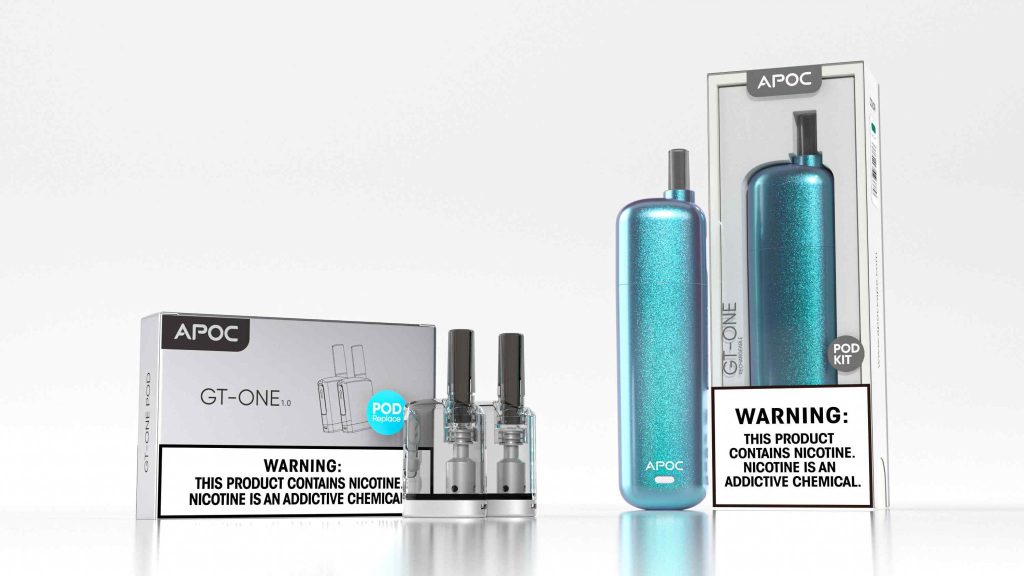
Counterfeit disposable vapes and non-TPD compliant products are still very common in wholesale channels during 2026. Since the UK disposable vape ban became fully active in June 2025 and EU Tobacco Products Directive enforcement has stayed very strict, more unauthorized products are being pushed through secondary suppliers, online marketplaces, and direct approaches from unknown importers. Distributors and retailers experience very real consequences — seized inventory, regulatory fines, customer returns, and safety complaints related to poor materials — every time suspicious batches get through receiving without proper checking. A well-structured, repeatable verification system cuts these risks significantly and helps keep the supply chain running smoothly.
People who work in the trade every day know that quick visual checks let many very good copies pass. Only deeper, systematic inspection catches the small but consistent tells that even the better organized fake production lines cannot hide from every single piece.
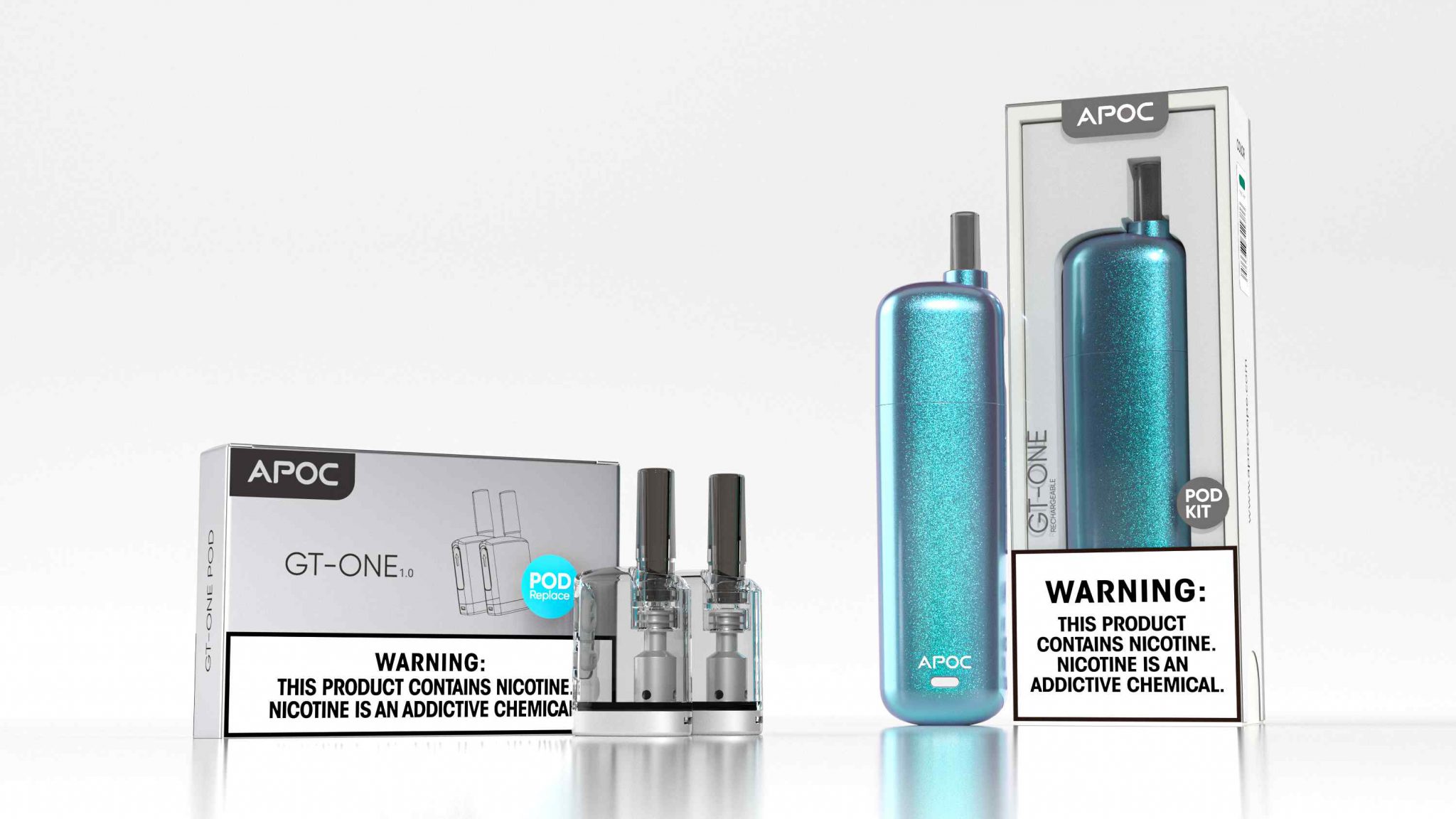
How Detection Has Become More Difficult in 2026
The people making counterfeits have improved their work considerably. Packaging now copies holograms very closely, QR codes frequently lead to fake verification websites, and the same batch codes get used across completely unrelated shipments. Non-compliant versions — products that regularly go over 2ml e-liquid capacity or exceed 20mg/ml nicotine — arrive with changed labels that help them pass customs or look compliant while in transit. Recent MHRA and Trading Standards seizure reports continue to show very large numbers, with millions of illegal units removed in previous periods, many containing higher than allowed nicotine or materials that fail quickly during normal use. For any wholesaler, one bad container can start a chain of returns, damage important customer relationships, and bring much heavier compliance attention.
The whole industry movement toward refillable systems has increased attention on what remains of single-use products, but illegal copies continue to move actively in gray channels, which means checking must go much deeper than looking at the outside.
Quick 5-Second First-Level Screening
Use this fast check right when goods arrive or during first sampling:
- Price is 30% or more below normal wholesale market levels — very strong warning sign
- Packaging missing holograms, working scratch-off codes, or QR links that actually scan — serious problem
- Product claims TPD compliance but shows capacity >2ml or nicotine strength >20mg/ml — obvious violation
- Goods coming from unchecked social media sellers or suppliers with no real company identity — treat with maximum caution
- First few puffs give harsh chemical taste, metallic feeling, or very uneven vapor — stop immediately and separate the entire batch
These few quick points catch a surprisingly large percentage of obvious fake products before anyone spends time doing deeper checking.
Updated 7-Step Detailed Checking System for 2026
Go through these steps in the same order every time for serious evaluation. Every point comes from patterns actually seen in recent real seizures and compliance work.
Step 1 — Checking Supplier Background and Price Reality
The source of the goods sets the whole foundation. Serious suppliers give clear batch records, certificates of analysis, and usually can show MHRA registration evidence when selling into UK/EU markets. When the price is dramatically lower than market, it almost always means someone has skipped major regulatory costs or the product has been diverted from legitimate channels.
Action: Always ask for proper documents and check them against the manufacturer’s official authorized distributor list or public database. Any offer that looks dramatically better than current market should normally be refused — short-term price advantage almost never covers the much larger long-term compliance and relationship damage.
Step 2 — Detailed Packaging Examination at Close Range
Genuine packaging has very sharp, completely even printing, fonts that stay the same size and style, and colors that match perfectly. Counterfeit versions almost always show small but clear problems when looked at closely: slightly fuzzy printing, tiny color differences, parts that are not lined up properly, or card material that feels wrong in thickness.
Check all the legally required elements very carefully: health warnings that cover at least 30% of the main display areas (UK/EU requirement), full ingredient list, batch number, expiration date, and clear statement of exact e-liquid volume (maximum 2ml for tanks/pods) together with exact nicotine strength (maximum 20mg/ml).
Action: Put the samples side by side with the manufacturer’s official reference photos. Any extra glue, rough edges, or obviously thin card material should be considered strong evidence of fast, low-cost production.
Step 3 — Testing Authentication Codes and QR Verification
Products from serious manufacturers normally have scratch-off codes, holograms, or QR links that go directly to the brand’s own verification system.
Always type the code manually into the official website — never use any link that comes with the product. When the code works properly it confirms both registration and batch information. When the code fails or the same code works multiple times — very strong sign of counterfeit.
For anything sold in TPD markets, always check whether the product appears in the MHRA public registration database (cms.mhra.gov.uk/ecig-new). Products that do not show in the database have no legal right to be sold in UK or EU.
Action: Test several different units from the same shipment. Even one failed code normally justifies returning or refusing the complete shipment.
Step 4 — Checking Specifications Against TPD Rules
The basic TPD limits have not changed: maximum 2ml e-liquid in disposable or pod tanks, maximum 20mg/ml nicotine strength. Non-compliant products try to hide larger amounts through clever but false labeling or by using bigger internal liquid chambers.
Action: Compare the written specifications very carefully with the actual physical size of the device. When a very small-looking product claims extremely high puff numbers (10,000+) there is usually overfilling or false advertising involved. Always ask for and carefully review the supplier’s official TPD compliance documentation.
Step 5 — Checking Build Quality and Material Feel
Real products have even, solid construction — joints feel tight, mouthpieces stay firmly attached, and the overall weight feels balanced and correct. Fake products normally use cheaper metal alloys and lower-grade plastics which create loose parts, visible gaps between pieces, or internal pieces that can be heard moving when shaken.
Better materials like zinc alloy give noticeably better durability and feel. Much cheaper materials usually feel too light and bend or flex much too easily.
Action: Hold and compare several different units from the shipment. Any visible burrs, mismatched surface finish, or obvious color differences between pieces should be treated as important quality warning signs.
Step 6 — Real Performance and Taste Testing
Test sample devices under normal controlled conditions. Genuine products give smooth, consistent vapor, flavor that stays balanced across many draws, and output that remains reliable. Fake products normally show rough throat hit, obvious burnt coil taste very quickly, battery that dies much faster than expected, or power delivery that changes noticeably during use.
Always watch carefully for excessive heat, leaking liquid, or any unusual smell (strong chemical or metallic).
Action: Keep careful notes while taking 50–100 normal puffs on each test unit. When the performance keeps changing in negative ways, it almost always means poor internal components or contaminated e-liquid.
Step 7 — Cross-Checking With External Information
Compare the physical product very carefully with the manufacturer’s latest official photos and technical specifications. Check recent trade discussion groups, retailer feedback channels, and current regulatory warning lists for any reports about similar batches or problems.
Action: Keep systematic records of every supplier’s performance over time. When problems repeat with the same source, actively look for additional suppliers to reduce dependence on any single point.
What to Do When You Suspect Counterfeit or Non-Compliant Products
Stop moving or selling any suspected products immediately. Take clear photographs of the packaging, codes, and any test results. Report through the correct official channels — MHRA Yellow Card system when safety is concerned, Trading Standards when dealing with illegal trade. Keep samples properly stored in case they are needed for returns, official investigation, or manufacturer verification support.
Most established manufacturers will actively help verify authenticity and frequently provide solutions when counterfeit products are discovered.
Moving Toward Compliant Alternatives: Refillable Pod Systems in Regulated Markets
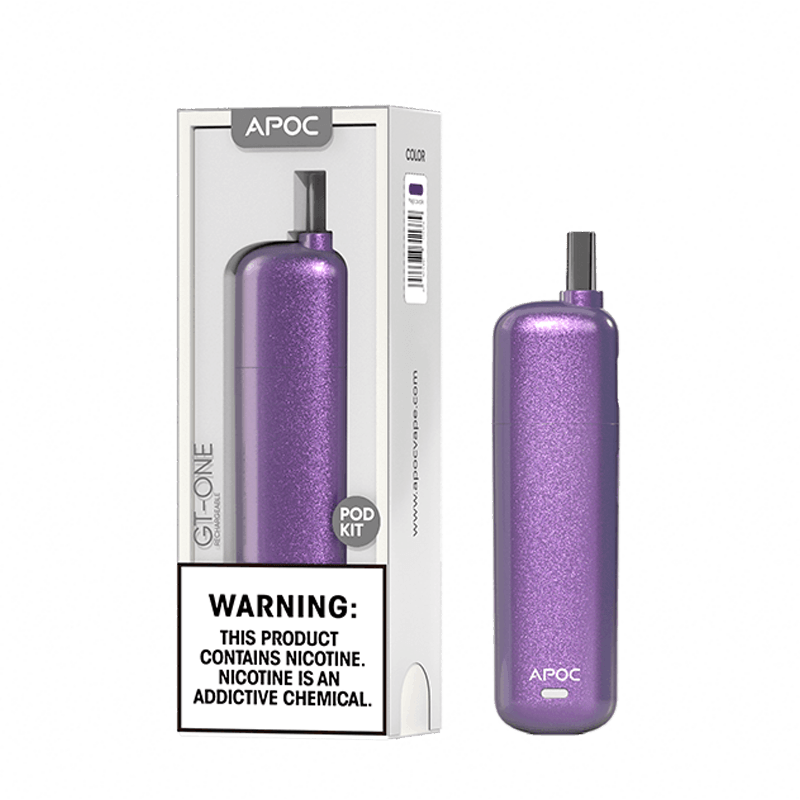
Heavy restrictions on disposable products have made refillable pod systems become a very practical and fully TPD-compatible choice for many operators. These devices are designed with 2ml maximum tank capacity, work with properly regulated e-liquids, and give much longer use life while significantly reducing cost per session.
One very good example of this approach is the APOC GT-ONE Refillable Pod Vape Kit produced by Shenzhen Vapehome Technology Co., Ltd. This device features a strict 2ml tank capacity, uses a 1.0-ohm mesh coil designed for multiple repeated fills (normally 10–15 good fills), and has solid zinc alloy construction that holds up well during regular use. It delivers very consistent mouth-to-lung vaping experience with stable flavor delivery and overall build quality that matches everyday professional use requirements. Retailers and distributors can review complete technical details and discuss wholesale supply arrangements directly through the manufacturer’s product page. APOC GT-ONE Refillable Pod Vape Kit
Refillable systems make it much easier to keep inventory fully compliant while still giving customers the flavor choices and better long-term value they want.
About Shenzhen Vapehome Technology Co., Ltd.
Shenzhen Vapehome Technology Co., Ltd. was founded in 2013 and operates from its headquarters in Shenzhen, China. The company runs a 10,000m² manufacturing facility focused entirely on vape device research, development, production, and international supply.
The operation employs engineers who have accumulated significant industry experience, maintains a professional sales team, and operates with well-trained manufacturing personnel.
Quality management covers every stage — careful raw material checking, monitoring during assembly, and complete inspection before products leave the factory. All devices carry CE, RoHS, and FCC certifications. The company also provides active support for customers who need to complete local market registrations and compliance documentation in different regions.
The proprietary “again” product line (first introduced in 2020) and the “APOC” brand (relaunched in 2022) both include officially registered appearance patents and utility model patents. Products are currently distributed to more than 20 different countries and serve many international brands through comprehensive OEM/ODM cooperation arrangements. The company maintains strong focus on consistent product quality, fair and transparent pricing, reliable delivery timing, and very responsive customer service.
Conclusion
Thorough and systematic verification remains one of the most important daily practices for telling genuine disposable vapes apart from counterfeits or non-TPD compliant products in 2026. Distributors who make these checking procedures part of normal operations greatly reduce the chances of financial loss, legal problems, and supply interruptions. When careful inspection practices are combined with working relationships with transparent manufacturers who take compliance seriously, the whole operation becomes much more stable and sustainable in today’s heavily regulated market environment.
FAQs
How can distributors tell if a disposable vape exceeds legal TPD e-liquid capacity limits in 2026?
Check the declared volume on the packaging very carefully — anything listed above 2ml breaks current TPD rules for both tanks and pods in UK and EU markets. Compare the actual physical size of the device with the claimed puff count. When the reservoir looks oversized or the puff number seems unrealistically high for the size, non-compliance is usually present. Always confirm the final answer by checking whether the product appears in official MHRA registration records.
What should retailers do when the authentication code or QR verification fails on a vape product?
Immediately stop handling the entire batch. Failed verification almost always means either counterfeit product or product that was never properly registered. Take clear photographs of everything, contact the manufacturer whose name appears on the product, and make official report to MHRA or Trading Standards depending on the nature of the problem. The safest business decision is normally to reject the complete shipment.
Why do some disposable vapes look completely legitimate at first glance but fail badly during actual extended use testing?
Many counterfeit products are now made to copy the external appearance very well while using much lower quality coils, batteries, and e-liquids that cannot hold up. The problems become obvious through uneven vapor production, quick appearance of burnt taste, unusually fast battery drain, or leaking after only a small number of puffs. Only proper sampling and extended testing under normal use conditions will reliably reveal these internal weaknesses.
How do refillable pod systems help avoid the main problems associated with non-TPD compliant disposable vapes?
Refillable pod kits are designed from the beginning to follow strict 2ml tank capacity limits required by TPD regulation, work properly with approved e-liquids, and greatly reduce the total volume of single-use waste. They give customers good flavor choices while delivering much better cost per session, which makes them become a very stable and practical wholesale option in markets with heavy restrictions.
Where should companies look for truly reliable TPD-compliant refillable vape products in 2026?
Focus attention on manufacturers who maintain documented quality management systems, hold current CE/RoHS/FCC certifications, and have demonstrated experience successfully supporting regional registration and compliance requirements. The most dependable information comes directly from official manufacturer websites which show complete technical specifications and provide clear wholesale contact channels. Give preference to companies that offer transparent batch tracking systems and have already established long-term international distribution relationships.