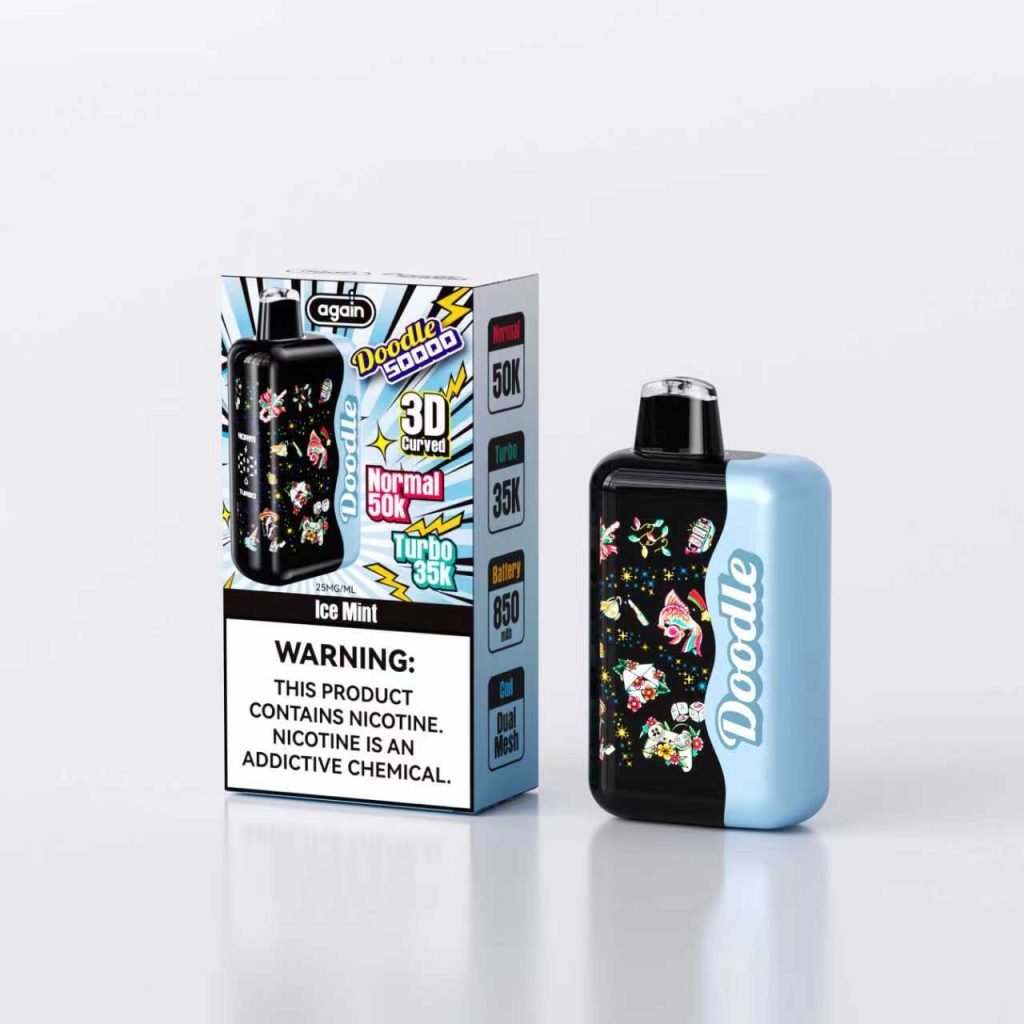
Disposable vape wholesale pricing often throws buyers for a loop on the opening purchase. Unit costs usually open in the $5–$8 bracket for standard 3000-puff models when the run stays small or involves samples, then slide down—frequently to $3 or less—once that same SKU shifts to repeat production. Distributors and retailers who follow these movements keep tighter grip on margins, reorder cadence, and supplier conversations. The material below lays out the concrete expenses that load up first orders, spells out what pulls reorder prices lower, covers the 2026 market headwinds still in play, and gives procurement teams practical moves to capture cleaner terms without getting blindsided.
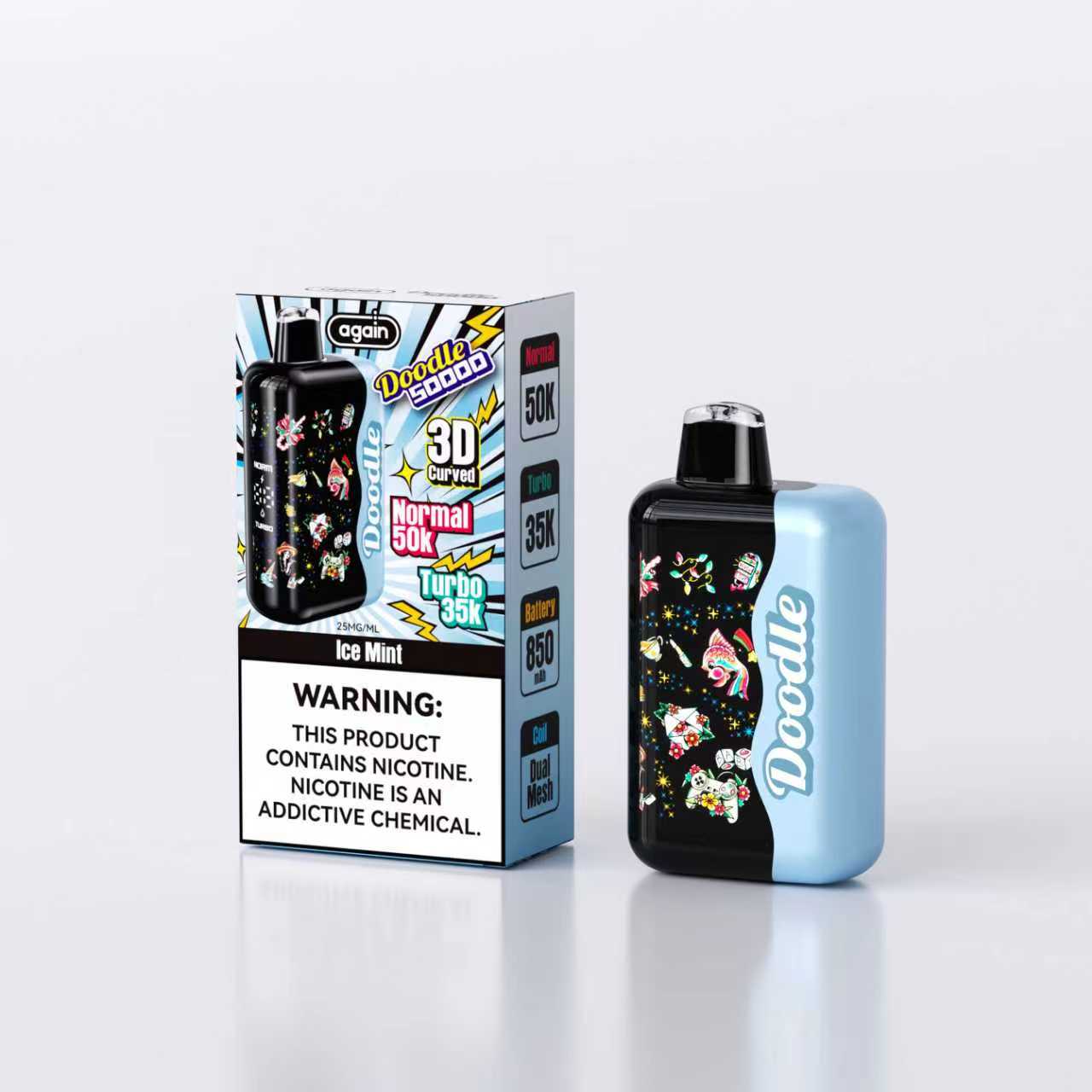
The Real Cost Breakdown: What Drives Higher Prices on Your First Order
Opening orders take on a stack of non-repeating and setup charges that hit hard at low quantities. Tooling and mold work sit at the top for anything beyond off-the-shelf shapes. Custom enclosures, distinct coil placements, or patented exteriors call for purpose-built molds, and those investments—typically several thousand dollars—divide across whatever quantity ships. First runs that stay in the 100–500 piece zone therefore shoulder the complete per-unit load.
Compliance and testing pile on more. CE marking, RoHS clearance, FCC battery checks, plus puff-consistency, leak, and stress protocols require lab submissions, sample destruction, and formal reports that only cover the submitted configuration. A normal first batch can lose 50–200 units to various validation steps. Spread across limited volume, those line items drive unit pricing noticeably higher.
Factory-side setup adds its portion. Line switches, first material feeds, QC station tuning, packaging artwork approval, and operator familiarization all eat labor and machine hours before steady output starts. Smaller batches mean those fixed efforts divide into fewer pieces, lifting the per-unit figure.
Shipping and import duties hit low-volume orders hardest. First shipments commonly go air express or LCL, where freight and handling per piece run far above FCL ocean rates. In 2026, U.S. tariffs on many Chinese vape lines and EU duties stay active, layering extra cost that weighs heaviest on samples and small runs.
Suppliers add a risk cushion with fresh accounts. No track record on payments or quality means many bake in a slight buffer against returns, defects, or delays. All these pieces together produce first-order wholesale pricing that looks steep next to later quotes for the exact same product.
Common First-Order Pricing Traps to Avoid
A few habits leave buyers exposed. Certain factories quote appealing base rates then tack on separate tooling write-off, artwork prep, or certification paperwork fees after the deal is in place. Others float low sample numbers to land the account but later show MOQ hikes or required commitments on the reorder quote.
Aggressive introductory pricing sometimes hides adjustments. A supplier can push attractive first-order rates without spelling out that follow-up runs drop development assistance, creating apparent jumps that really come from partial initial disclosure.
Weak IP protection brings lasting downside. Designs missing appearance or utility patents get copied fast, putting the first buyer up against cheaper versions from the same plant or rivals. Checking patent records or exclusive manufacturing clauses at the start heads off that trouble.
Why Reorder Prices Drop Significantly: The Mechanics Behind Lower Unit Costs
Repeat orders shed most of the one-off burdens that inflate first-order wholesale pricing. Tooling and molds remain in place with no fresh outlay. Certification paperwork carries over unchanged, cutting out repeat lab charges and sample scrapping.
Production runs cleaner. Teams get comfortable with the build sequence, QC steps standardize, and scrap drops as processes settle. Component buys—batteries, mesh coils, cotton, e-liquid—move to bulk levels that trim raw costs per piece.
Freight turns buyer-friendly. Reorders often hit full container thresholds or consolidated ocean rates, slashing transport per unit by half or better versus express used for samples. Duties and tariffs hold steady in rate but spread thinner across bigger shipments, easing their bite.
Supplier risk view softens with history. Steady payments, low defect returns, and clear communication frequently lead to dropping initial cushions or adding loyalty discounts. Factories commonly put these in writing through tiered pricing grids that scale with order size.
The table below tracks typical movement for a standard 3000-puff disposable under 2026 conditions:
First orders at 100–499 pieces land between $5.50 and $8.00 from tooling spread, testing allocation, and setup overhead. Reorders from 500 pieces start showing partial scale gains. At 1000–4999 pieces full efficiencies kick in. Runs past 5000 pieces pull maximum bulk discounts and container shipping benefits.
Real-world runs often see a wholesaler kick off with 300 pieces at $6.80 per unit, drop to $4.20 on a 1500-piece reorder—about 38% off—then reach $3.60 on the next 3000-piece order as patterns lock in.
External Factors in 2026 That Still Influence Reorder Pricing
Tariffs and trade rules keep steady upward force. U.S. Section 301 duties on various Chinese vape categories, plus scattered state excise taxes, hold baseline expenses firm. Comparable EU import levies and emerging minimum pricing talks in select markets touch every load. Bigger reorders handle these fixed pieces more lightly than small first orders.
Raw material swings follow global chains. Battery lithium, stainless mesh, VG/PG ratios shift with supply tightness. Suppliers with longer relationships usually shield repeat clients from sudden hikes through locked contracts or reserved stock.
Push for higher puff counts and features—dual mesh coils, adjustable airflow, screens—lifts average unit costs across lines. Reorders on in-demand specs ride production already scaled for volume.
Practical Solutions: How to Secure Better Reorder Pricing as a Wholesaler
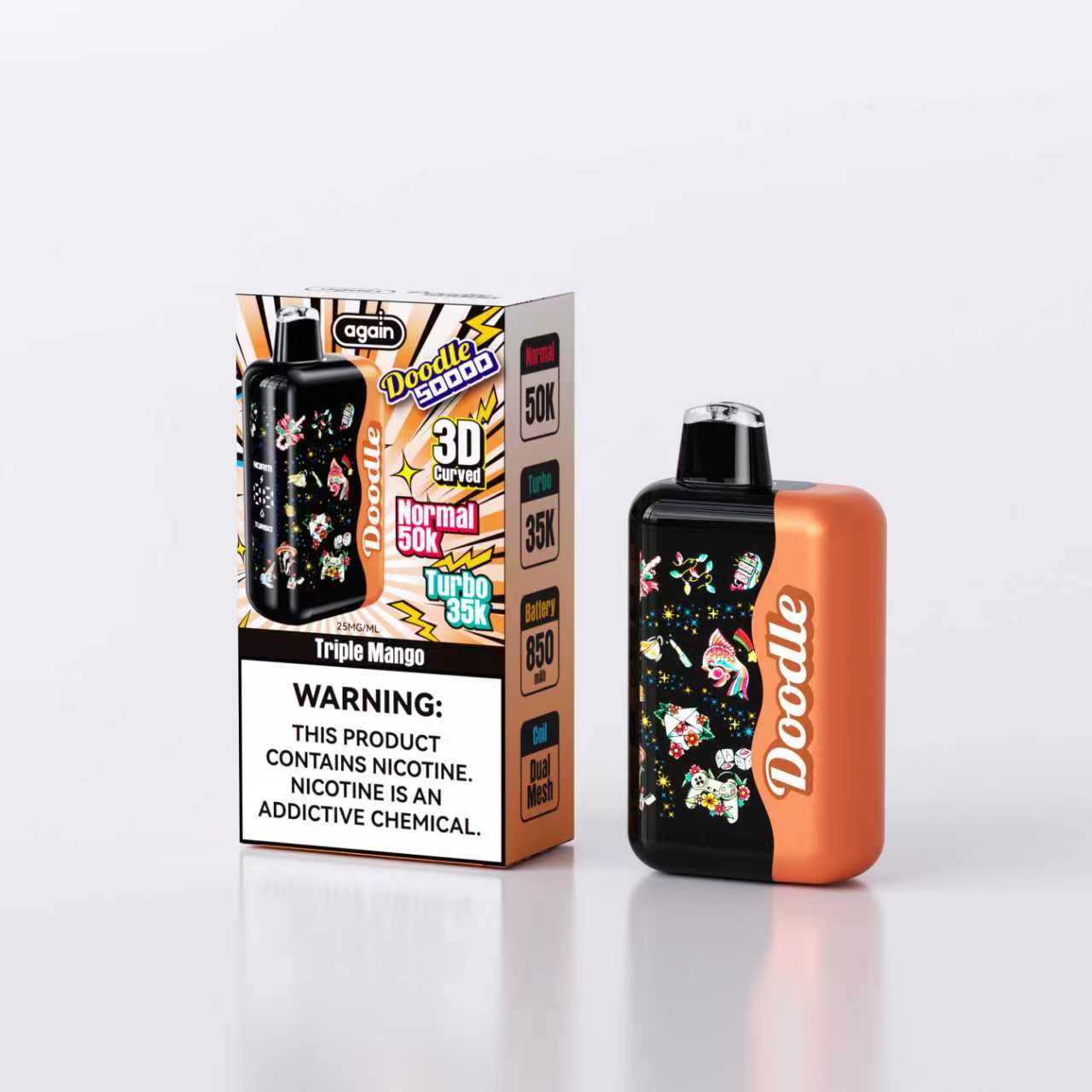
Open talks during the first order. Push for a written tiered pricing schedule listing unit costs at set MOQ steps—500, 1000, 3000, 5000 pieces—and clarify which charges amortize or drop on reorders. Signaling future volume growth can sometimes pull partial relief even on the initial run.
Pick partners with open books. Favor factories that share MOQ tiers freely, show patent backing for designs, and break out one-time fees from recurring production in quotes. Pass on those leaning on “email for current pricing” without early transparency.
Grow the account steadily. On-time payments, solid forecasts, and useful quality input invite better treatment. Many suppliers roll out loyalty discounts or priority slots after two or three solid reorders.
Lock details down. Use purchase contracts that spell out reorder pricing triggers, tooling title, and exclusivity terms where relevant. Hold onto initial quotes, test reports, and exchanges to clear up issues fast.
A path seen often starts with a 200-piece sample at $7.20 per unit. Once sales prove out, the buyer steps to 1200 pieces and brings the price to $4.10, then hits $3.60 on the next 3000-piece run by setting quarterly rhythms.
About Shenzhen Vapehome Technology CO.,Ltd
Shenzhen Vapehome Technology CO.,Ltd has stayed dedicated to disposable vape production since 2013, running operations from a 10,000-square-meter plant in Bao’an District, Shenzhen. Focus remains on research, manufacturing, and worldwide distribution, backed by quality checks from material intake through final outbound to hold CE, RoHS, and FCC standards. OEM and ODM work drives the business, turning out protected original designs with appearance and utility patents for partners in over 20 countries. The “again” brand series, started in 2020, shows steady skill in building durable, high-performing disposables. Pricing runs on a clear tiered structure: sample and low-MOQ orders cover full development and certification support, while reorders gain from cleared one-time costs and stepped volume discounts that widen wholesale margins.
Conclusion
The spread between first-order and reorder pricing in disposable vapes comes down to plain production and chain realities. Opening purchases cover tooling, compliance testing, setup, and risk pieces that fade or thin out sharply once the design proves market-ready. Follow-up orders tap real scale—lower overhead per unit, bulk component pricing, smoother freight—that deliver real reductions. Procurement teams who get these drivers, nail transparent agreements early, and link with suppliers that deliver dependable reorder structures build stronger margins and steadier supply lines amid tariffs, material swings, and regulatory shifts.
FAQs
Why is the first disposable vape wholesale order more expensive?
First orders carry one-time charges like tooling creation, compliance testing, production setup, and higher per-unit freight that spread across smaller quantities, resulting in higher pricing than repeat runs.
How much lower are reorder prices for disposable vapes?
Reorder prices typically fall 20–50% with volume growth—often 15–25% at 500 pieces, 30–40% at 1000–4999 pieces, and more at 5000+ from removed setup costs and scale benefits.
What is tiered pricing in disposable vape wholesale?
Tiered pricing sets stepped unit costs by order quantity ranges—such as 100–499, 500–999, 1000–4999, 5000+ pieces—with bigger discounts at each step to reward larger commitments.
Does MOQ affect disposable vape reorder discounts?
Higher MOQ thresholds directly boost reorder discounts by unlocking full production efficiencies, bulk material buys, and container freight savings that cut unit costs more deeply.
How to negotiate better pricing on second disposable vape order?
During the first order, secure a written tiered pricing schedule, signal future volume where practical, confirm amortizing costs, and keep reliable payments and communication to earn loyalty discounts on follow-up purchases.