


Launching a product variant is more than changing a color or adding a new flavor name. The brand must keep the product identity, sales information, packaging, and factory instructions aligned while the new version enters the market. A vape factory can support this work by making the production information clear and by helping the brand identify which parts of the original project still apply.
This article outlines practical ways a factory and brand owner can coordinate during a disposable vape or pod product variant rollout.
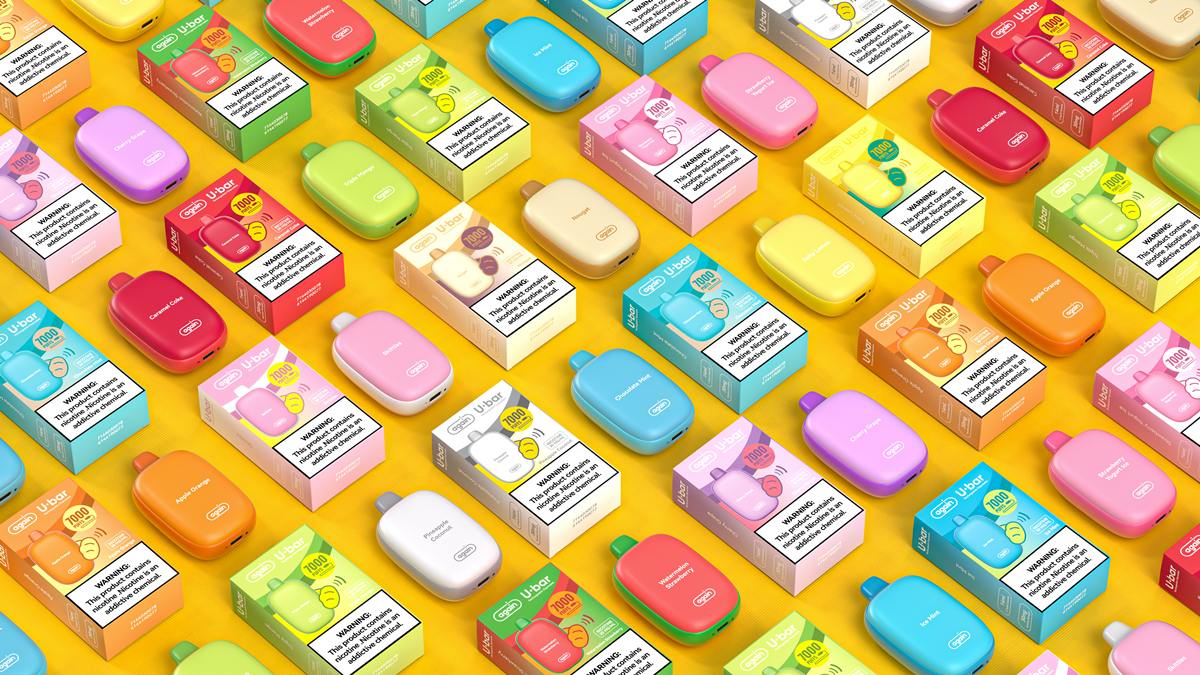
What Makes a Variant Rollout Different From a New Product?
A variant usually shares some elements with an existing model but changes one or more customer-facing details. The teams therefore need to separate inherited information from new information. The brand should state which components, artwork elements, product claims, and instructions remain unchanged and which require new review.
This distinction matters when a brand works across a pod system and disposable vape portfolio. A rollout plan should identify the exact model and avoid assuming that an approval for one category automatically covers another.
How Can a Factory Clarify the Variant Scope?
The factory can begin by comparing the proposed variant with the current approved product version. A useful comparison lists the model, changed features, affected files, required samples, and items that remain unchanged. This gives the brand a practical starting point for reviewing the rollout.
Map the Changed Information
The comparison should cover the product description, variant name, visual appearance, packaging artwork, sales information, and any component or assembly detail affected by the change. It should not introduce unsupported specifications. If a detail is not confirmed, mark it for review instead of presenting it as final.
Keep Old and New Versions Distinct
A factory can help by labeling samples, files, and production instructions with clear version identifiers. The brand should be able to tell which units represent the existing model and which represent the new variant. This is especially useful when distributors or sales teams are preparing material during the transition.
What Production Support Is Most Useful?
Brand owners benefit from practical production information: which files the factory is using, which sample represents the variant, what open decisions remain, and how the first output will be compared with the approved reference. The purpose is not to overload the brand with factory terminology. It is to give the brand enough visibility to make timely decisions.
For a model such as the again X PRO 5500 puffs disposable vape pod, a variant rollout should make clear whether the change affects the model identity, variant presentation, packaging, or another agreed element.
How Can the Factory Help With Sales Readiness?
The factory can support the brand by providing consistent product naming, current reference information, and timely confirmation of which version is ready for sales communication. It should not write unverified marketing promises on the brand’s behalf. Instead, it can help the brand distinguish confirmed product information from items that still require commercial or regulatory review.
How Should the First Variant Order Be Reviewed?
The first order for a variant deserves a focused review against the agreed version. The brand and factory should confirm that the produced units, packaging, and order description correspond to the same variant. If an issue appears, record whether it affects only the current batch or requires a change to the approved variant record.
The official company profile identifies Shenzhen Vapehome Technology Co., Ltd. as providing OEM services and vape-product manufacturing. In a real project, brand owners should agree with the factory on the information exchange and approval points that apply to their specific variant.
What Should Happen After the Rollout?
After the variant enters the channel, the brand can collect structured feedback from distributors and retailers without immediately changing the product. Record the market, product version, issue, and requested action. The factory can then help determine whether the feedback concerns production, documentation, packaging, or a possible future variant. The wider product range can be reviewed at the same time to keep the new variant positioned consistently with related models.
Conclusion
A vape factory supports a product variant rollout by clarifying the change scope, maintaining distinct versions, sharing practical production information, supporting accurate sales materials, and reviewing the first variant order against the approved reference. These actions help brand owners expand a product range without losing control of product identity or internal communication.
FAQs
Does every product variant require a completely new development project?
Not always. The team can identify which elements are inherited and which require new review. The level of work depends on the scope and effect of the change.
What information should a factory send before a variant order?
The factory should confirm the variant identity, current files, sample reference, changed details, open conditions, and the review method for the first output. The exact list should match the project.
Who approves the final variant for sales?
The brand owner should designate the commercial decision-maker. The factory supplies production information and confirms the version it can produce, while the brand approves the final market-facing product and materials.
