Disposable vape devices in 2026 carry advertised puff ratings that span from 5,000 into the 40,000+ range, yet distributors and bulk buyers focus primarily on practical days of service under typical everyday conditions. Those advertised puff counts come from standardized testing with one-second shallow draws, while standard adult patterns involve inhales lasting two to four seconds, often deeper, which ramps up e-liquid consumption and battery drain considerably. The mismatch means real-world duration usually lands below lab projections, shaped by personal habits, build quality, and surrounding conditions.
Professionals handling procurement or client recommendations shift emphasis from isolated puff figures to tangible daily timelines. Elements including draw length, session spacing, coil performance, and recharge support alter outcomes substantially. Developments such as integrated mesh coils and rechargeable batteries in larger-capacity units have reduced certain limitations, though matching expectations to usage profiles remains essential.
Advertised Puff Count vs. Real-World Lifespan: The 2026 Reality
Lab protocols rely on brief, uniform puffs, but routine application generates distinctly varied results. An average two-second draw approximately doubles resource use per hit against the one-second reference. As a result, delivered puffs commonly fall between 40% and 70% of stated numbers, varying with intensity levels.
Current lineup includes lower-capacity models near 5,000 puffs that translate to roughly 2,000–3,500 actual draws in moderate scenarios. Elevated ratings—10,000, 20,000, or 40,000+ puffs—gain advantage from increased reservoirs and optimized parts, though proportional reductions persist. Mesh coils support steadier heating, curbing early flavor fade, and rechargeable setups avoid abrupt power loss ahead of liquid depletion.
Estimates grounded in distribution feedback and performance metrics outline as follows:
Light users averaging 100–200 puffs in sporadic sessions often achieve 20–35 days from 5,000-puff units; 40–70 days from 10,000-puff models; and 3–6 months from 20,000–30,000-puff devices under controlled patterns.
Moderate users managing 300–600 puffs across workday breaks and evenings typically secure 7–14 days from 5,000-puff versions; 15–30 days from 10,000-puff options; and 30–60 days from 20,000–30,000-puff capacities.
Heavy users surpassing 800 puffs daily through repeated or continuous draws generally deplete 5,000-puff devices in 3–7 days; 10,000-puff models in 7–14 days; and 40,000+ puff units in 15–40 days amid persistent high demand.
Battery constraints frequently cap non-rechargeable high-puff configurations, whereas rechargeable formats redirect priority to complete reservoir exhaustion, improving viability in intensive applications.
Insights from Real User Experiences in 2026
Channel reports and usage observations reinforce that puff ratings represent upper limits rather than assured timelines. Users with heavy patterns commonly note 30,000+ puff devices lasting one to three weeks during steady daily reliance, while lighter approaches extend comparable units to a month or longer. Extended chain-vaping in stressful periods or prolonged social contexts pushes depletion rates beyond baseline figures.
Flavor weakening frequently arrives before total exhaustion, as reduced liquid levels thin vapor and dull taste, indicating replacement despite residual puffs. Models with status indicators for battery and e-liquid provide advance notice, supporting timely decisions. Patterns hold across contexts: disciplined daily draws in professional settings versus ongoing access for concentration or leisure management.
Key Factors Influencing Disposable Vape Lifespan in Daily Use
Several components govern operational duration beyond base puff specifications.
Puff Duration and Depth
Prolonged inhales demand far greater resources per draw, where two-second averages may cut capacity in half relative to testing benchmarks.
Daily Frequency and Chain-Vaping
Overall session accumulation primarily accelerates wear. Spaced usage conserves reserves, while concentrated bursts apply swift pressure.
Battery vs. E-Liquid Depletion
Non-rechargeable high-puff models often face battery failure preceding liquid depletion. Rechargeable alternatives counteract this, permitting full reservoir exploitation.
Coil Technology and Efficiency
Mesh coils, standard in many contemporary mid-to-high capacity units, deliver uniform heating and prolonged flavor consistency, limiting dry hits and bolstering service life.
Environmental and Storage Conditions
High temperatures, sunlight exposure, or humidity speed battery deterioration and modify liquid characteristics. Stable, cool, dry environments reliably produce better outcomes.
Nicotine Strength and Flavor Impact
Stronger concentrations occasionally lower draw frequency via rapid satisfaction, indirectly extending duration. Particular flavor formulations with heavier compounds sometimes show earlier attenuation.
Practical Ways to Extend Disposable Vape Lifespan
Deliberate changes produce concrete gains, especially under frequent-use conditions.
Shorter, less intense draws combined with intentional breaks—30 seconds or more—permit coil stabilization and liquid preservation, frequently contributing 20–50% additional days for moderate-to-heavy profiles without shifting total intake.
Units with variable modes or mesh coil construction maximize vapor efficiency while curbing unnecessary power expenditure. Rechargeable designs offer particular benefit, since periodic charging sidesteps early termination.
Storage discipline counts: keeping devices in moderate, controlled settings averts heat- or light-induced acceleration of decline. Observing individual consumption over brief intervals refines puff-rating alignment to real requirements. Reduced-nicotine variants at times facilitate lower frequency where alignment with goals supports it.
Such practices, integrated into established routines, enhance unit value with limited adjustment.
Recommended Long-Lasting Disposable Vapes for 2026
Models built around present-day efficiencies generally provide more dependable consistency. Mesh coil incorporation maintains output stability throughout the cycle. Rechargeable batteries resolve common premature restrictions. Built-in displays monitoring e-liquid and charge eliminate estimation errors for replacement.
Dependable selections encompass models like the Again X PRO 5500 puffs, delivering equilibrated capacity and efficient output appropriate for moderate daily patterns, regularly sustaining 7–12 days. The U-Bar 7000 puffs applies mesh technology toward greater durability and flavor retention. Expanded variants handle heavier loads while upholding quality. Full details and alignment options appear on the AgainVape product page.
About Shenzhen Vapehome Technology CO.,Ltd
Founded in 2013, Shenzhen Vapehome Technology CO.,Ltd operates a 10,000m² facility in Bao’an District, Shenzhen, concentrated on disposable vape research, development, production, and distribution. The structure emphasizes OEM/ODM collaborations, backed by an internal engineering group and stringent quality oversight from material sourcing to end-of-line verification. Accreditations cover CE, RoHS, and FCC, alongside patented innovations in design and utility.
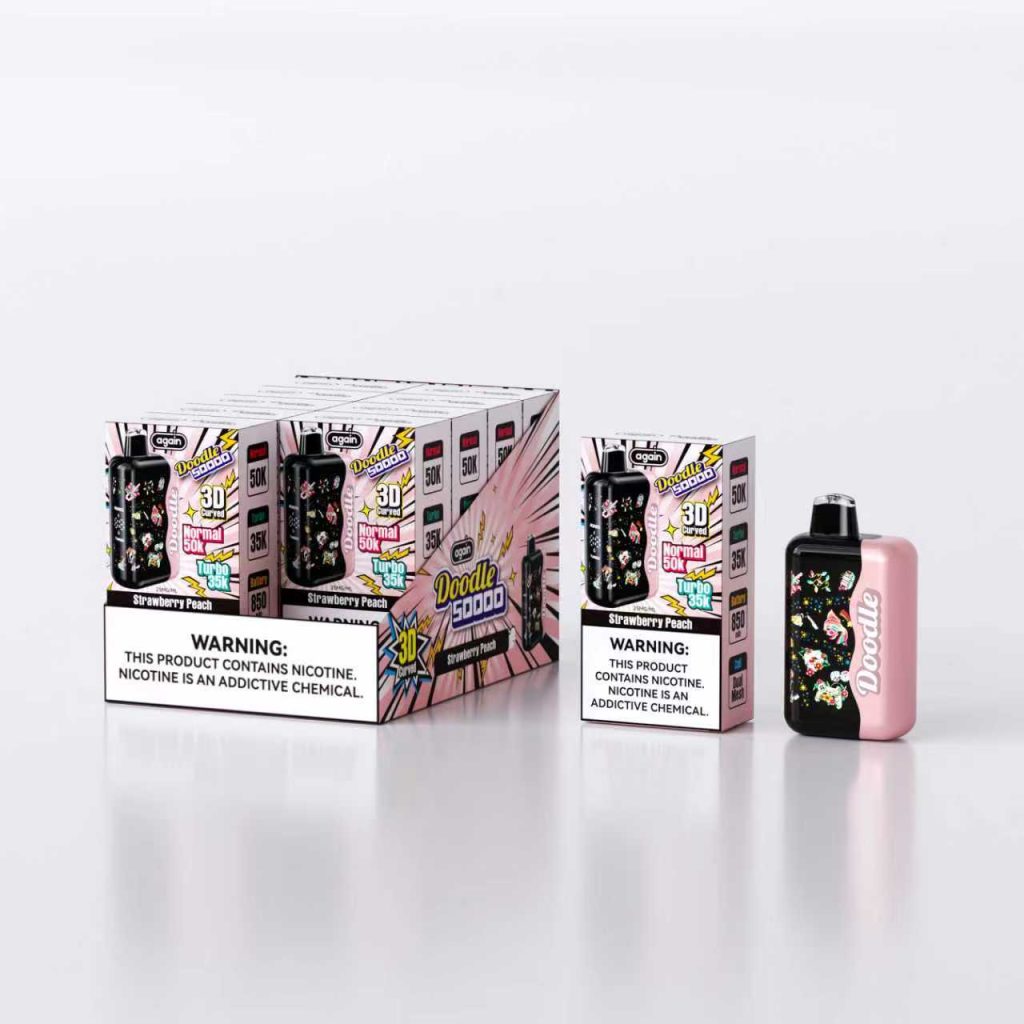
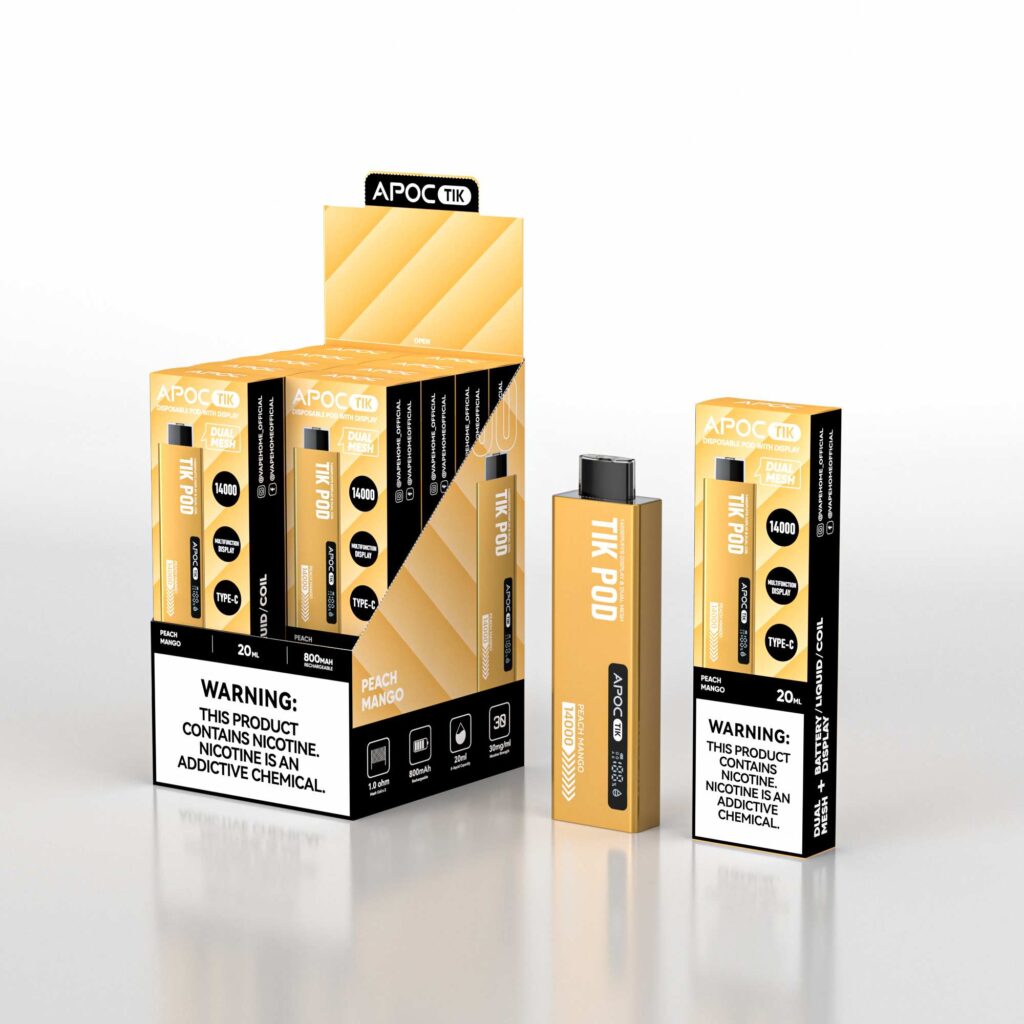
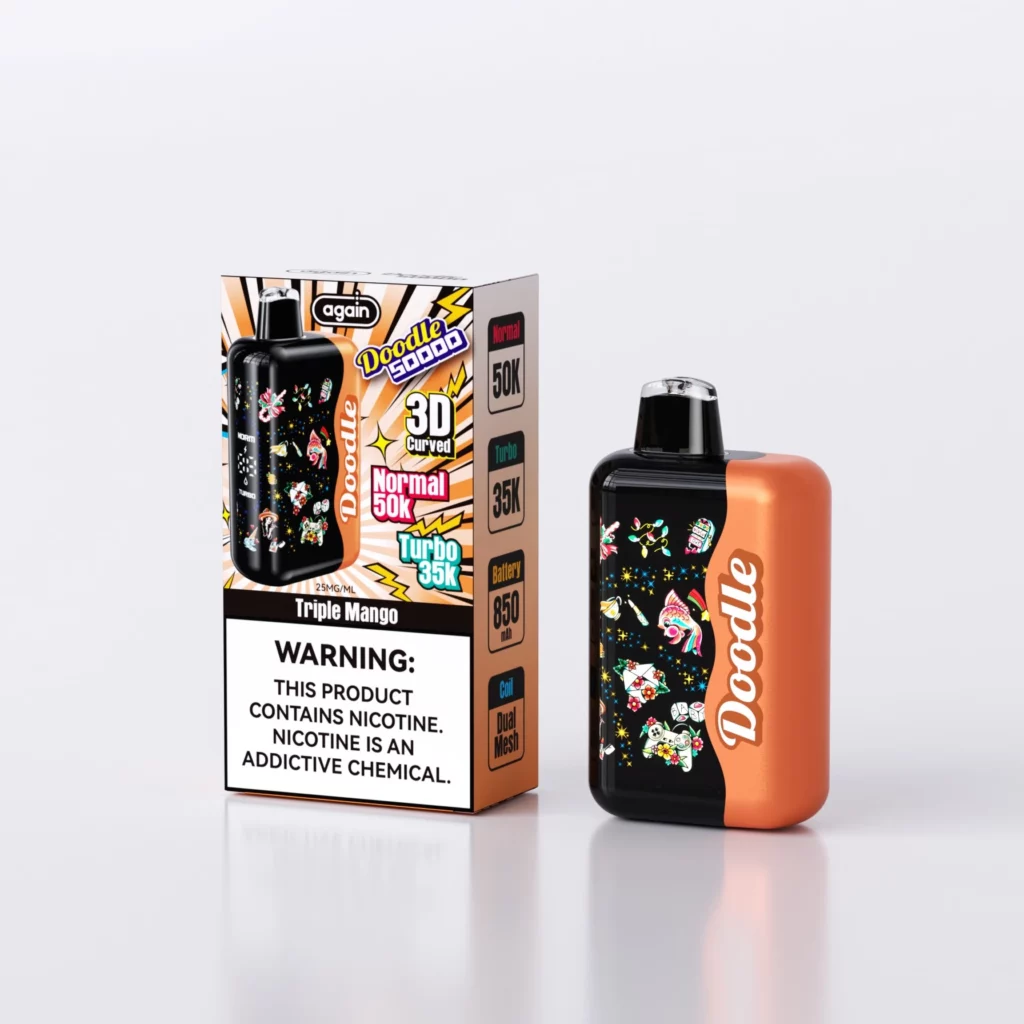
The “Again” brand debuted with nearly ten proprietary models and now distributes across more than 20 countries. The revived “APOC” series, including notable entries like POOTA, broadens competitive portfolio. This framework enables consistent, value-driven international partnerships.
Conclusion
Disposable vape duration under real-world daily conditions ultimately tracks user habits more closely than advertised puff counts. Progress in 2026—larger capacities, advanced efficiency features, and improved tracking—has strengthened dependability, though draw frequency and style retain primary influence. Recognition of contributing elements, paired with basic measures like measured inhalation and suitable storage, delivers enhanced control and utility. Devices matched to prevailing patterns secure steady performance with fewer interruptions.
FAQs
How long does a 5000 puff disposable vape last for heavy users in 2026?
Heavy users exceeding 800 puffs daily generally obtain 3–7 days from a 5,000-puff device, as extended draws and high frequency hasten e-liquid and battery exhaustion compared with lighter patterns.
Why does my disposable vape run out before the advertised puff count is reached?
Daily puffs typically extend to two to four seconds beyond the one-second testing norm, using more per inhalation. Battery depletion or gradual flavor decline commonly terminates function before advertised puffs complete.
Do rechargeable disposable vapes last longer in actual daily use?
Rechargeable models ordinarily prolong effective duration by preventing battery cutoff prior to e-liquid exhaustion, facilitating full reservoir use in moderate and heavy routines.
How can I make my disposable vape last longer every day?
Adopt shorter draws with pauses, store in cool dry locations, and favor mesh coil designs for efficiency improvements. These steps routinely add days without requiring alterations to overall vaping volume.
What affects how long a 10000 puff disposable vape lasts in real life?
Draw duration, cumulative daily hits, recharge support, coil type, storage environment, and nicotine level all contribute. Moderate patterns frequently produce 15–30 days, while heavy usage narrows to one to two weeks.