


How many puffs in a disposable vape really depends on a lot more than the headline number stamped across the packaging. In 2026 the range covers everything from slim pocket units that manage a couple hundred draws to high-capacity rechargeable models claiming 15,000, 20,000, and sometimes 30,000+ puffs. The separation between those lab-derived totals and what happens during regular use surprises a fair number of users. Devices that appear designed for extended runtime frequently run dry or lose power well before the counter hits the bottom because everyday inhales last longer, pulls extract more vapor, or vaping sessions accumulate quicker than the automated test setups ever replicate. The following sections outline what qualifies as normal puff count in the present market, the main reasons advertised figures diverge from delivered performance, and the straightforward approaches to selecting a disposable that comes closer to meeting expectations in practice.
What Is a Puff Count and How Is It Measured?
Puff count represents the anticipated number of draws a disposable vape provides before the e-liquid is exhausted or the battery fails. Production testing generates these numbers via automated equipment that performs short, consistent pulls—typically one to two seconds in duration—within tightly regulated lab settings. The procedure replicates mild mouth-to-lung inhales at restrained power outputs, enabling the device to achieve its maximum recorded count under optimal circumstances.
Routine vaping deviates considerably from that protocol. Draws commonly extend two to five seconds, vapor pulls become more forceful to produce thicker clouds, and consecutive hits occur in quick succession. Each variation increases liquid and battery consumption beyond what the test equipment projects. Observations accumulated across years of user reports position real delivered puffs at roughly 40 to 70 percent of the published total. A device marked 5,000 puffs commonly supplies closer to 2,500 to 3,500 under typical daily conditions. That discrepancy accounts for the widespread perception that many units stop functioning earlier than the labeling suggests.
E-liquid volume establishes a fundamental constraint. Laboratory calculations link approximately 100 to 300 puffs per milliliter of juice under controlled parameters, although denser coil configurations and increased wattage reduce that efficiency rapidly. Battery capacity imposes a parallel restriction—smaller cells deplete sooner, while larger rechargeable packs maintain functionality across substantially more cycles.
Typical Puff Count Ranges in 2026 – What’s Normal?
Disposable vapes available in 2026 divide into several recognizable categories according to physical dimensions and intended application. Entry-level and compact designs ordinarily supply 300 to 800 puffs. These contain 2 to 5 ml of liquid and serve occasional or introductory routines—equivalent in duration to one or two conventional cigarette packs distributed over a number of days. Many infrequent users regard this segment as the everyday baseline normal.
Mid-range offerings constitute the dominant portion of the category, positioned between 1,000 and 5,000 puffs. Most include 5 to 10 ml of e-liquid and feature entry-grade mesh coils that generate smoother, more uniform draws. Consistent vapers generally consider this tier the practical standard—readily supporting a full week or longer with moderate consumption patterns.
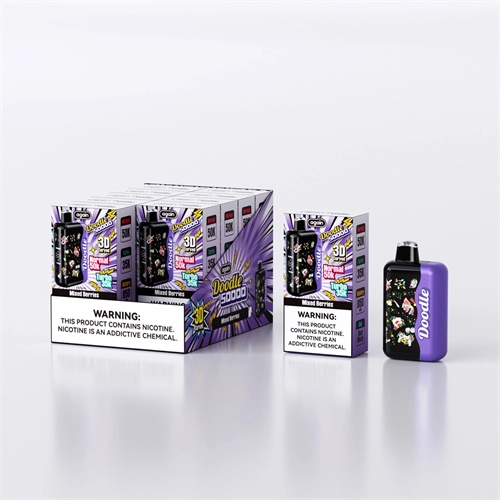
High-puff rechargeable formats have established themselves as the primary selection for more regular sessions. Advertised counts normally fall between 5,000 and 15,000 puffs, with certain models extending toward 20,000 or above when equipped with adjustable airflow and compact displays indicating battery status and puff usage. Expanded reservoirs of 12 to 20 ml paired with USB-C rechargeable batteries—frequently starting at 800 mAh—prolong actual runtime across two to five weeks for average routines. These configurations provide the most dependable performance observed throughout 2026.
Top-tier high-capacity disposables advertise 20,000 to 30,000+ puffs and depend on oversized reservoirs, high-output cells, and sophisticated coil designs to sustain flavor stability. The specifications create strong shelf presence, but delivered results diverge considerably—users with elevated consumption patterns frequently record totals nearer half the claimed amount once the liquid and power undergo prolonged stress.
Factors That Affect Your Actual Puff Count
Personal vaping behavior accounts for the broadest variation. Prolonged inhales extract greater quantities of liquid per draw. Direct-to-lung technique places heavier demand on the coil and battery compared with restrained mouth-to-lung inhales. Rapid successive activations accelerate depletion across every component. A user averaging 300 puffs daily ordinarily exhausts a mid-range device in fewer than fourteen days, whereas lighter patterns noticeably extend the same hardware.
Construction specifics carry comparable influence. Mesh coils distribute thermal load evenly and postpone dry-hit occurrences, preserving flavor consistency longer than traditional coil arrangements. Rechargeable batteries enable continued function after initial charge depletion, thereby increasing cumulative draws relative to non-rechargeable counterparts. Adjustable airflow supplies tuning capability—constricted settings conserve e-liquid, open settings increase consumption.
Environmental influences exert secondary effects. Higher ambient temperatures accelerate e-liquid evaporation within the reservoir, whereas lower temperatures raise viscosity and diminish vapor production. Exposure to direct sunlight or placement inside a hot vehicle reduces effective lifespan more than anticipated in many cases.
A representative daily pattern involving commutes, work intervals, and evening relaxation with a 10,000-puff rechargeable typically depletes the unit in approximately two weeks rather than the full projected duration when draws average two to three seconds and include occasional chains. Transitioning to briefer, less intense inhales extends usability measurably without difficulty. These recurring real-world variances underscore that isolated puff ratings seldom convey the complete operational picture.
How to Choose the Right Puff Count for You in 2026
Aligning puff count with observed daily intake minimizes early dissatisfaction. Routines averaging under 200 puffs per day function adequately with 1,000- to 3,000-puff models. These remain compact and furnish reliable flavor delivery without added bulk.
Moderate consumption of 200 to 500 puffs daily achieves effective equilibrium with 5,000- to 10,000-puff rechargeables. Mesh coil implementation and USB-C recharging in this segment comfortably cover one to two weeks and recover promptly when charge levels drop.
Elevated routines surpassing 500 puffs daily require 10,000+ puff rechargeable disposables. Increased e-liquid reservoirs and higher-capacity batteries accommodate the demand with reduced replacement frequency. Incorporated indicators displaying residual battery percentage and puff tally eliminate considerable uncertainty.
Several practical measures streamline the selection process. Record actual daily draws across several representative days—counting inhales during customary intervals such as breaks, travel, or downtime. Divide the intended device’s advertised count by the measured average, then apply a 40 to 60 percent downward adjustment to approximate realistic yield. Prioritize e-liquid capacity measured in milliliters over standalone puff declarations—higher volumes correlate reliably with extended duration. Seek mesh coil configurations and rechargeable batteries to sustain draw quality throughout the lifespan. Examine user commentary focused on prolonged performance rather than promotional emphasis. Devices featuring live screens for puff counters and battery status substantially reduce estimation errors.
Refrain from placing undue weight on the highest advertised figures unless accompanied by durable coil engineering and battery management. A 30,000-puff specification appears compelling in concept, yet insufficient supporting components frequently result in perceptible flavor decline well ahead of depletion. Testing an individual unit through retail or online channels commonly clarifies the most suitable match prior to larger acquisitions.
Shenzhen Vapehome Technology CO.,Ltd – A Trusted Name in Disposable Vapes
Shenzhen Vapehome Technology CO.,Ltd began operations in 2013 from a 10,000 square meter facility situated in Bao’an District, Shenzhen. More than ten years of dedicated activity in disposable vape research, manufacturing, and global distribution have developed considerable proficiency in OEM and ODM production for partners in over 20 countries. The quality framework monitors each stage from material verification through assembly accuracy and exhaustive pre-shipment evaluation. Certifications include CE, RoHS, and FCC, with provision for supplementary compliance requirements specific to individual regions.
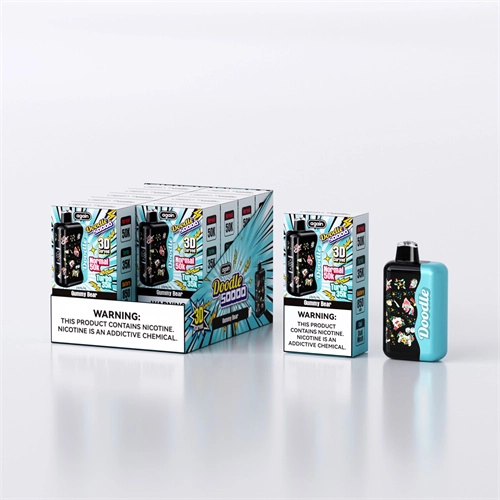
In-house developed original designs obtain registered appearance and utility model patents, affording partners identifiable product distinction. Manufacturing concentrates on high-performance disposable platforms, particularly rechargeable variants capable of reaching 50,00 puffs equipped with mesh coil arrangements that preserve flavor uniformity from activation through extended operation. The integration of structured pricing, consistent production scheduling, and proactive client coordination has cultivated lasting associations and sustained brand development.
Conclusion
Puff counts function as a reasonable initial indicator for disposable vapes, yet sustained performance ultimately links to individual consumption patterns, build integrity, and calibrated expectations. Throughout 2026 the practical spectrum extends from several hundred draws for infrequent application to tens of thousands in sophisticated rechargeable configurations. Comprehension of the principal influences—inhale duration, coil performance, battery resilience—facilitates identification of devices that provide dependable outcomes without premature shortfalls. Prioritization of appropriately matched specifications and proven construction quality consistently produces more satisfying and enduring vaping experiences.
FAQs
How many puffs in a disposable vape is normal in 2026?
Normal puff counts vary in accordance with daily routines, though moderate users generally achieve 1,000 to 5,000 realistic draws. High-capacity rechargeable models ordinarily deliver 5,000 to 15,000 actual puffs for more demanding patterns, despite advertised totals frequently surpassing what standard sessions produce.
Why does my disposable vape run out faster than the puff count says?
Prolonged inhales, more forceful pulls, and successive chain vaping deplete e-liquid and battery reserves more rapidly than brief standardized laboratory pulls project. Actual puffs commonly register only 40 to 70 percent of the published figure owing to the substantial difference between test protocols and routine behavior.
What puff count should I choose for daily vaping?
Consumption below 200 puffs daily aligns effectively with 1,000- to 3,000-puff devices. Moderate routines of 200 to 500 puffs suit 5,000- to 10,000-puff rechargeables most appropriately. Heavy usage exceeding 500 puffs necessitates 10,000+ models with expanded reservoirs and robust batteries to decrease replacement intervals.
Are high-puff disposable vapes worth it in 2026?
High-puff rechargeable variants offer distinct benefits when fitted with mesh coils and dependable battery systems. They diminish replacement frequency and maintain flavor stability longer, provided the rated capacity corresponds closely with observed consumption patterns.
How can I make my disposable vape last longer?
Shorter inhales, avoidance of chain vaping, and storage removed from heat sources extend operational duration considerably. Selection of devices incorporating mesh coils and rechargeable batteries sustains draw quality across the full lifespan. Monitoring personal usage patterns identifies opportunities for modest improvements in longevity.