


Private label disposable vape products assist adult-use vape brands, wholesalers, and distributors. They help bring fresh items to the market much quicker. A brand does not have to build a device from scratch. Instead, it can partner with a skilled supplier. This partnership allows them to alter the look, flavor choices, packaging, and overall brand identity. Yet, a winning private label project requires more than just slapping a logo on a finished item. Purchasers must still evaluate product positioning and the target market. They also need to verify sample quality, flavor selection, and packaging design. Furthermore, buyers must confirm MOQ, delivery schedules, compliance rules, and after-sales backup before they place an order. This guide details what brands ought to examine prior to ordering private label disposable vapes. It also shows how to decrease frequent sourcing risks.
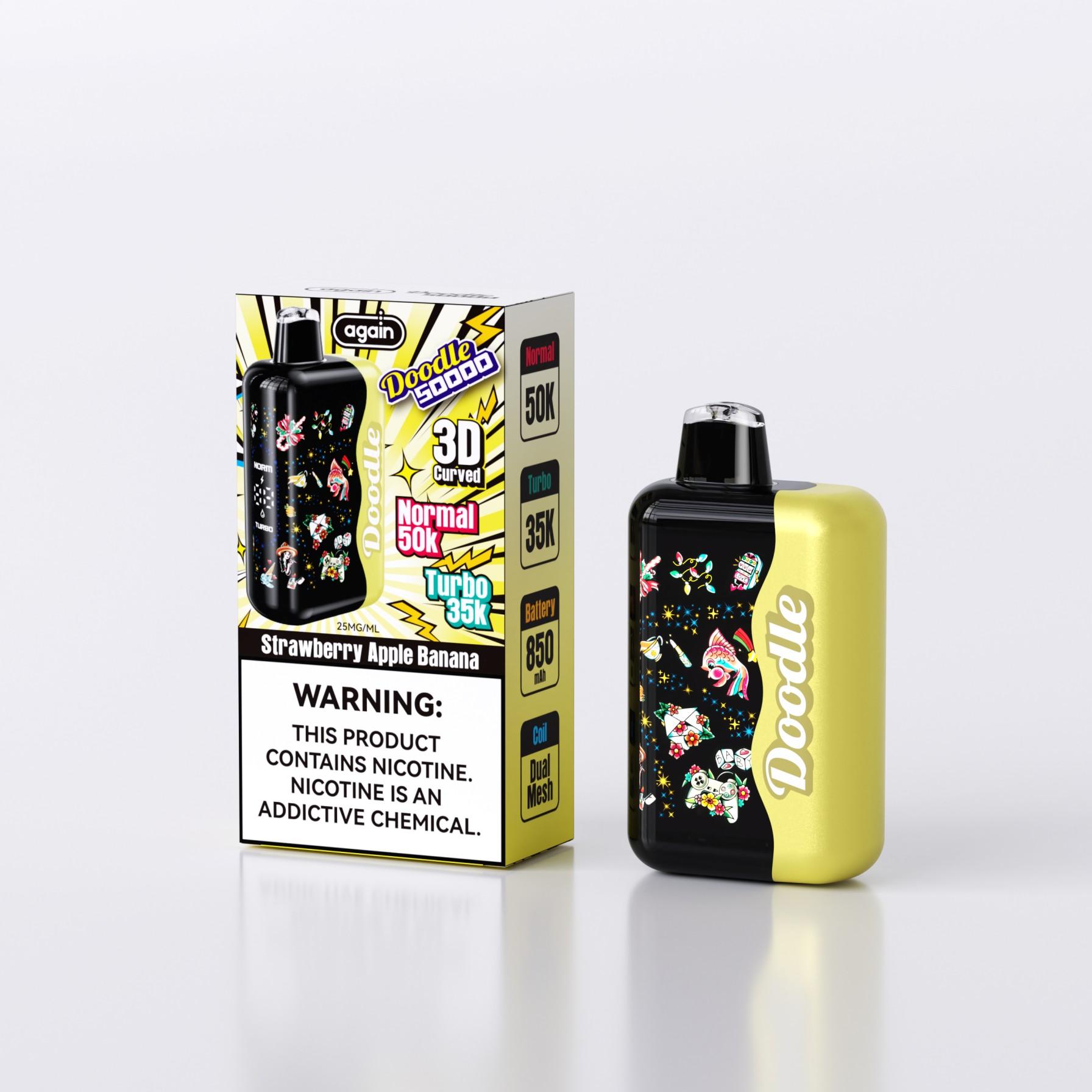
Why Should Brands Choose Private Label Disposable Vapes?
Private label disposable vapes remain highly favored. They permit brands to step into the market with reduced development stress. They also offer a swifter launch speed. For numerous buyers, this route is highly practical. It beats spending money on a completely fresh product design right at the start.
Faster Market Entry
A private label model lets brands pick an existing disposable vape device. They can then adjust it for their specific market. This approach cuts down the time required for product planning. It also speeds up sample confirmation, packaging design, and mass production.
This is quite handy for new brands. They can gauge market reactions before putting money into extensive product development. For veteran distributors, it aids in broadening product lines. They do not have to wait a long time for a fresh launch.
Lower Development Risk
Crafting a totally new vape device demands extra time and a larger budget. It might require fresh tooling and novel design testing. It also involves new packaging trials and a drawn-out approval phase. Private label sourcing is generally easier to handle. This is because the core device already exists.
Still, buyers must never skip checking the samples. It merely means the project advances faster. This happens if the selected model already suits the brand’s target market.
Easier Brand Building
Private label products grant buyers the room to craft their unique brand story. A brand can select device colors and logo styles. They can also decide on packaging artwork, flavor names, and market positioning. These choices help the item stand out from basic wholesale goods.
What Should Brands Check Before Choosing a Disposable Vape Model?
Buyers must first figure out what sort of product suits their customer base. They should do this before talking about packaging and logo design. Various markets often favor distinct puff counts. They also have different tastes in sizes, price ranges, and flavor profiles.
Target Customer Group
Brands need to clearly define their target audience. Some adult users favor compact disposable vapes. These models are straightforward and highly portable. Other users might lean toward high-puff disposable vapes. These often feature rechargeable batteries, display screens, or diverse flavor options.
An item that performs great in one region might fail elsewhere. Purchasers must study local demand and retail pricing. They should also review user habits and legal rules before selecting a model.
Puff Count and Product Size
Puff count remains a vital selling point. However, bigger does not always mean better. A massive high-puff product might seem appealing. Yet, certain buyers might want a smaller device. Smaller devices are easier to carry around and cost less.
Brands must pick a puff count that aligns with their price tier. It should also match their sales channel. For instance, convenience stores often favor fast-moving units. Meanwhile, wholesalers might seek a wider variety. This variety usually includes both compact and high-capacity goods.
User Experience
A disposable vape ought to feel straightforward and dependable for adult users. Buyers need to verify if the device is comfortable to grip. It must be simple to operate and stable during operation. It also needs to be a good match for the selected flavor range.
The finest method to evaluate this is by testing samples. Mere pictures and specification sheets fall short.
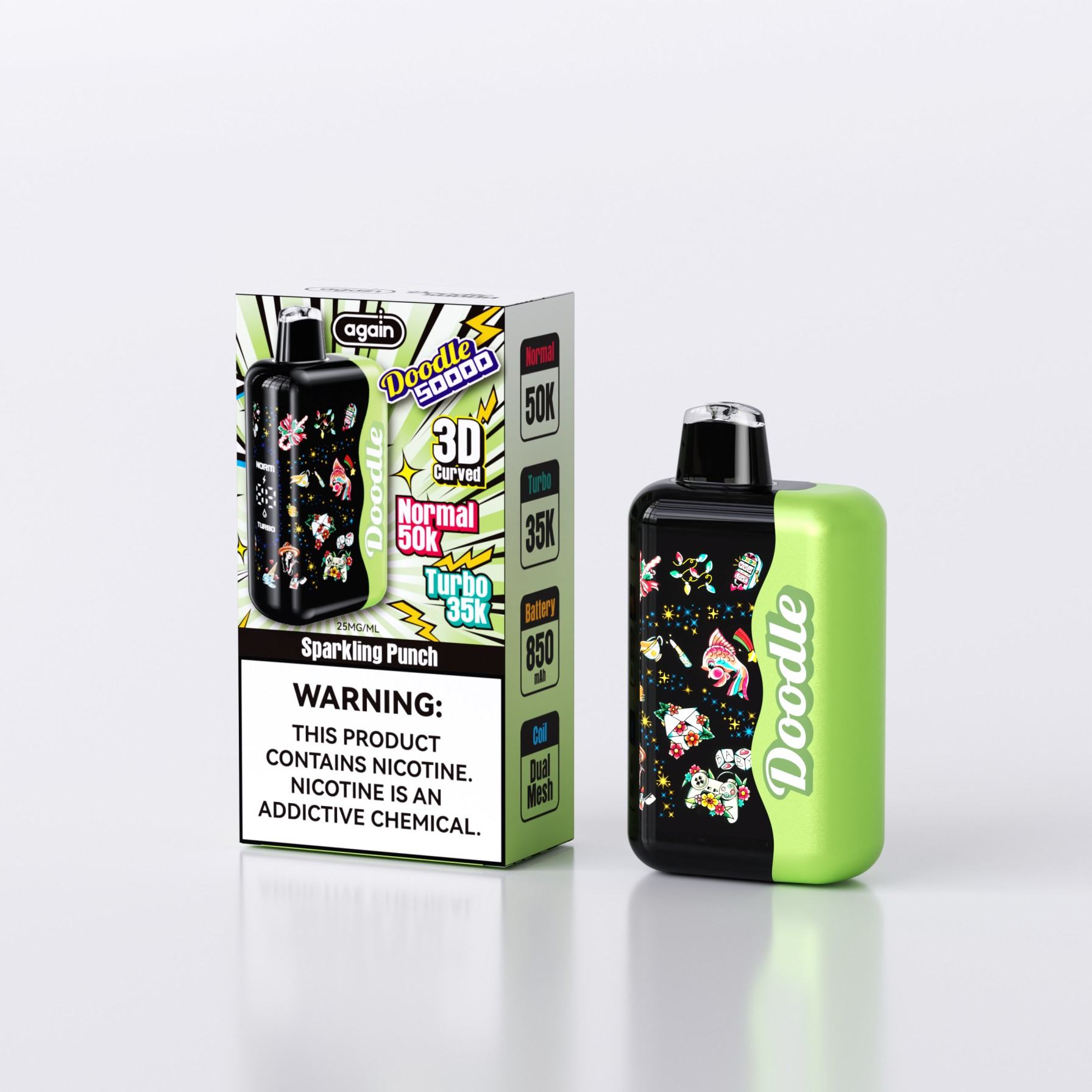
How Should Brands Plan Flavor Selection?
Flavor selection heavily impacts repeat purchases. Buyers must avoid picking flavors solely on personal preference. A solid flavor menu needs to align with market trends. It should also fit the retail positioning.
Core Flavor Range
The majority of brands kick off with a handful of core flavors. These are typically easy to sell. Fruit, ice, mint, beverage-style, and dessert-style flavors remain standard picks across many regions. The precise lineup must depend on the target customer group.
A compact yet robust flavor range is frequently superior. It beats releasing too many choices at the same time. Having too many flavors makes inventory management much tougher.
Sample Testing
Brands must request flavor samples prior to confirming a bulk order. This sample stage aids buyers in checking the taste and smoothness. They can also review the cooling level, sweetness, and general user feedback.
For private label projects, sample testing needs to cover the device itself. It should also include the packaging impression. Buyers ought to ask themselves a key question. Does the final item feel right for the brand image they wish to establish?
Flavor Names and Packaging Match
Flavor names must be clear and simple to read. They should also remain consistent with the package design. A flavor such as mango ice, blueberry mint, or cola ice needs to be instantly recognizable. Customers should spot it at first glance.
Effective flavor naming assists retail staff. They can explain the product much faster. It also helps consumers make purchasing decisions with ease.
What Customization Options Should Buyers Confirm?
Customization stands as a primary reason brands pick private label disposable vapes. Nevertheless, buyers must confirm exactly what can be altered. They should do this before they begin any artwork design.
Logo and Device Color
Most private label projects feature logo placement. They also include device color selection. Purchasers must verify where the logo can be printed. They need to know its maximum size. They should also check if the color aligns with the brand’s visual identity.
Basic designs are frequently more practical than highly complex graphics. A neat logo and a steady color scheme make the product appear far more professional.
Packaging Design
Packaging holds great importance for retail display. It is also crucial for legal compliance. Buyers must confirm the box design and the flavor name. They need to check warning details, barcodes, and batch codes. They should also verify the nicotine strength display, if applicable, along with carton packing.
For distributors and shop owners, packaging directly impacts shelf appeal. A crisp and appealing box assists customers in identifying the product swiftly.
Private Label or OEM/ODM
Certain buyers merely require logo and packaging tweaks. Others might demand deeper OEM/ODM support. This can include product appearance changes or unique flavor planning. It might also involve distinct market positioning.
Shenzhen Vapehome Technology CO.,Ltd notes that OEM/ODM services have served as a core business since their start. Furthermore, the company has successfully built its own brands, AGAIN and APOC.
What Business Terms Should Brands Check Before Ordering?
A private label project might fail even if the product looks fantastic. This happens when the business terms remain unclear. Purchasers must verify the MOQ and sample time. They should also check production time, payment terms, and shipping details. Confirming the after-sales process early is equally vital.
MOQ
The MOQ often varies. It depends on the specific device model and the number of flavors. It also relies on packaging design and the depth of customization. Buyers ought to ask how the supplier counts the MOQ. Is it per model, per flavor, per design, or per total order?
This detail is crucial for new brands. They usually want to test the market without stocking excessive inventory.
Sample Process
A sample must gain approval prior to mass production. Buyers need to examine the device color and logo placement. They should review the packaging artwork and flavor choice. They must also test the display function if it is present. Finally, they should assess the general product feel.
Approving a sample lowers the risk of errors during bulk manufacturing.
Lead Time
The lead time might shift. This depends on order size and packaging printing. Flavor preparation and the factory schedule also play a role. Brands must plan ahead. This is especially true if they need goods for seasonal sales or exhibitions. Retail launches and distributor campaigns also require early planning.
Transparent timelines assist buyers in avoiding inventory shortages. They also prevent delayed market entry.
What Compliance and Market Rules Should Buyers Review?
Disposable vape products face different regulations across various countries. Each region has its own rules. Brands must study local requirements before they place an order.
Labeling and Packaging Rules
Packaging might require specific warning labels. It could need age-related statements or nicotine strength details. Batch codes, ingredient lists, or importer information might also be mandatory. This fully depends on the target market.
Buyers must not depend solely on supplier templates. A local legal review is frequently necessary before the final printing begins.
Import and Sales Requirements
Certain markets enforce rigid rules for disposable vape imports. They control flavors, nicotine limits, packaging, and retail sales. Purchasers must investigate these rules before they finalize product specifications.
A responsible supplier can certainly help prepare the necessary documents. However, the buyer must still verify all local market demands.
Brand Responsibility
Private label buyers hold full responsibility for anything sold under their brand name. This duty covers product claims and packaging language. It also includes sales channel compliance and customer communication.
Because of this, detailed documentation is essential. A thorough product review is equally vital before the official launch.
Why Choose Shenzhen Vapehome Technology CO.,Ltd as a Disposable Vape Supplier?
Supplier reliability truly matters. Private label buyers require much more than just a physical product. They need clear communication and robust sample support. Stable production and packaging coordination are also necessary. Furthermore, a prompt after-sales response is critical.
Company Background
Shenzhen Vapehome Technology CO.,Ltd was founded in 2013. The business specializes deeply in vape items. They focus heavily on disposable vape R&D, manufacturing, and global sales. Their official company profile highlights a massive 10,000㎡ factory. It also mentions a skilled engineering team, a dedicated sales force, and extensive OEM/ODM service background.
Brand and OEM Experience
The enterprise introduced its own AGAIN brand back in 2020. They later relaunched the APOC brand in 2022. Their official website clearly states that OEM remains a primary business sector. They actively serve numerous brands across the globe.
Suitable for Private Label Buyers
Private label brands, wholesalers, and distributors can confidently consider Vapehome. This is true when buyers seek quality disposable vape products. They provide excellent customization support and smooth sample communication. They offer a brand-focused supply chain for adult-use markets. This applies wherever such items are legally permitted.
Conclusion: What Should Brands Check Before Ordering?
Before ordering private label disposable vapes, brands must review several factors. They need to check product positioning and the target market. They should also evaluate puff count, flavor range, and sample quality. Logo design, packaging, MOQ, and lead time are equally important. Finally, they must assess compliance needs and supplier support. A proper private label project ought to make the item feel like an authentic brand. It should never look like a generic device with a random logo.
The absolute best product is not always the one boasting the highest puff count. It is also not always the cheapest option. It needs to align with customer expectations and retail pricing. It must meet packaging requirements and strict local market rules. Collaborating with a seasoned disposable vape supplier like Shenzhen Vapehome Technology CO.,Ltd brings great benefits. It can help brands lower their sourcing risks. It also aids in building a highly practical product lineup.
FAQs
What is a private label disposable vape?
A private label disposable vape is a vaping item sold under the purchaser’s distinct brand name. The supplier typically assists with logo printing and packaging design. They also help with flavor selection and various other customization features.
What should brands check before ordering private label disposable vapes?
Brands must evaluate their product positioning and preferred puff count. They should review flavor options, sample quality, and packaging design. Checking the MOQ, lead time, compliance requirements, and supplier support is also vital. All this must happen before confirming a large bulk order.
Can disposable vape packaging be customized?
Yes. Packaging can normally be tailored to feature a brand logo and specific flavor name. It can include custom color designs, barcodes, and batch codes. Required label information can also be added. Buyers must approve the artwork and verify local market rules prior to mass production.

