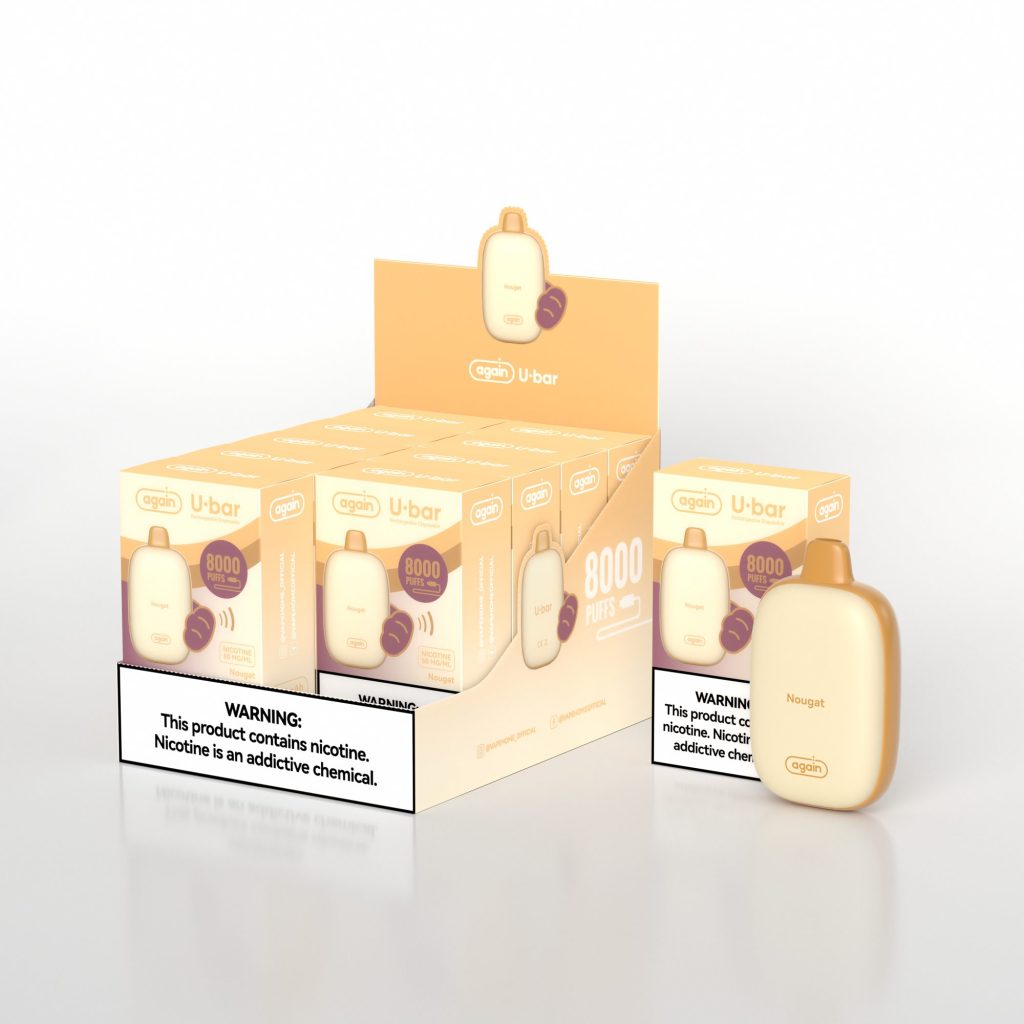
If you’re planning a new device under an OEM model, the biggest surprise is rarely the hardware. It’s the workflow. “From Idea to Shipment: How Disposable Vape OEM Production Actually Flows” is less about a straight line and more about a gated system: specification, design freeze, sample approval, controlled production, and shipping documentation that can stand up to audits. Miss one gate, and the problem shows up later as inconsistent batches, customs holds, or a quality dispute that nobody can resolve with evidence.
This article walks through the OEM production flow the way experienced B2B buyers actually manage it—starting with the first email and ending with cartons leaving the dock. The tone here is practical on purpose. You’ll see where delays usually happen, what data you should request at each step, and how to keep change control from quietly wrecking consistency once volume ramps.
Start With the “Commercial Spec,” Not the Wish List
Most OEM projects begin with a concept deck and a target price. That’s fine for kickoff, but factories don’t build decks—they build to specifications. The fastest way to lose weeks is to keep requirements vague until after sampling. In real buyer–factory discussions, the first spec package that matters is commercial and compliance-shaped, not mechanical.
A practical commercial spec typically includes the target market(s), labeling language requirements, intended nicotine format, expected shelf life conditions, and how you define “acceptable variation.” Even if you’re not writing a formal PRD, you’re defining what the device must do and what it must not do. That becomes the baseline for engineering choices like battery capacity, coil selection, sealing strategy, and packaging structure.
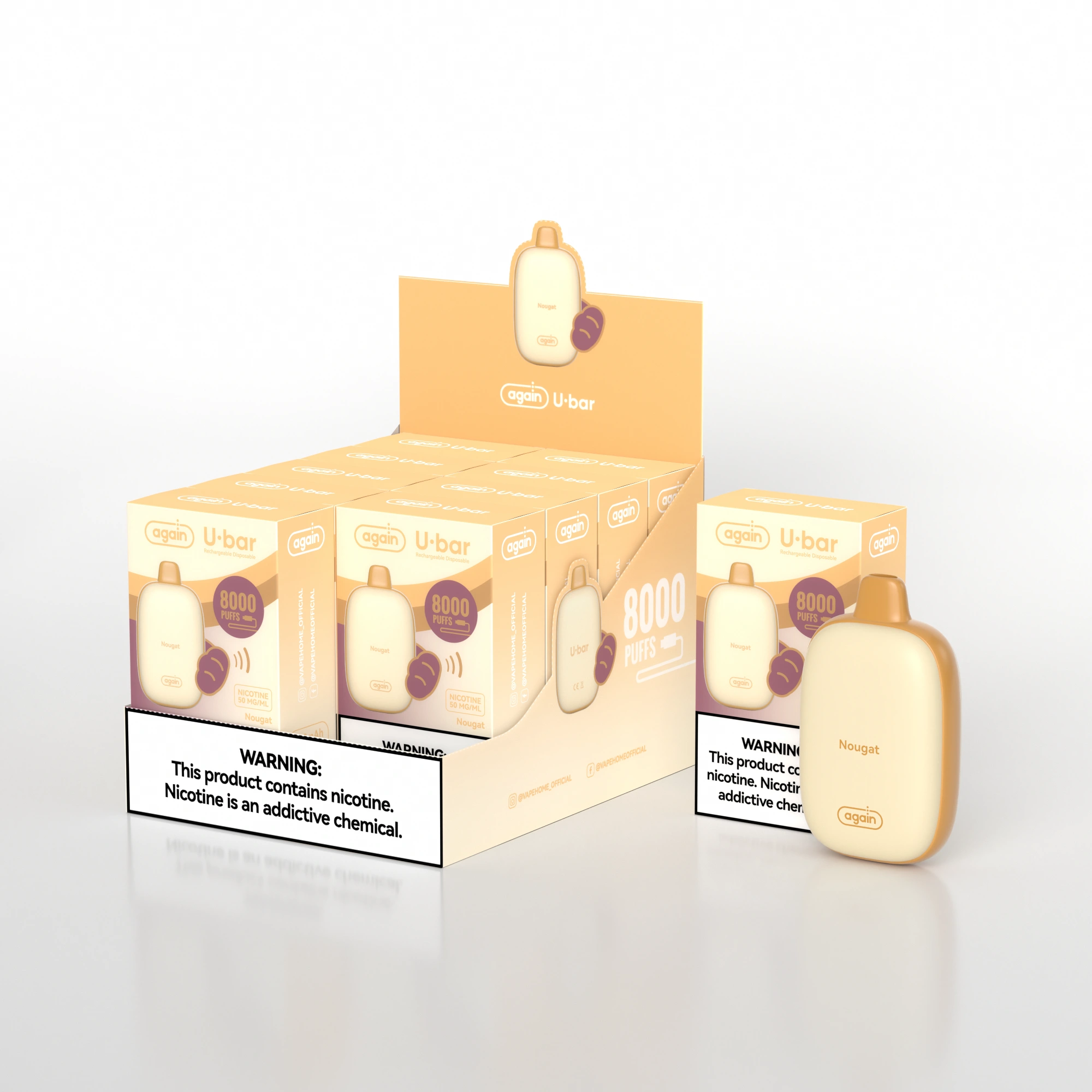
This is also where you decide how “high capacity” and “rechargeable” are framed for the market. In Vapehome’s published materials, examples of device ranges include e-liquid volumes from 2 ml up to 25 ml, rechargeable batteries typically in the 320–1100 mAh range, and puff counts that can span from about 800 to 25,000+ depending on model.
Those are broad ranges, and the correct B2B move is to convert ranges into a specific configuration for your project, plus a tolerance band that everyone signs off on.
RFQ and Supplier Alignment: What “OEM” Really Means in Week One
Buyers often treat RFQ as “send price, wait for quote.” In a clean OEM workflow, RFQ is where you lock alignment on responsibility, documentation, and change control. If your target market has strong documentation expectations, you should ask about test reports, traceability structure, and how revisions are recorded long before you argue over cents.
On Vapehome’s About Us page, the company describes itself as established in 2013 and focused on disposable vape R&D, manufacturing, and sales, with OEM/ODM services described as a core business early on, and a factory footprint referenced around 10,000㎡. Those claims are helpful only when the buyer uses them as a prompt to request evidence: batch coding logic, sampling records, and a defined sign-off path.
If you want a neutral internal page for “who we are and how we work” without turning your blog into a brochure, link to the company profile as a reference point: Shenzhen Vapehome company profile.
Engineering Kickoff: DFM, DVP, and the Parts People Forget
Once the project is accepted, the real engineering work begins. At this stage, the factory’s job is not to “make a sample that looks right.” It’s to run design-for-manufacturing (DFM) and define a validation plan that matches your risk profile.
In disposable devices, small oversights show up as large downstream costs. A minor seal design issue becomes a leak rate issue in transit. A slight coil resistance variation becomes uneven output across batches. A packaging decision becomes a customs issue when warnings don’t match the destination market.
A credible validation plan usually covers:
- how the device is tested for draw consistency and activation reliability,
- what leak testing method is used and what constitutes pass/fail,
- how e-liquid batch consistency is checked,
- what happens when a component supplier changes.
You do not need to publish every internal test parameter in a blog, but you should describe the logic clearly so B2B readers recognize the workflow as real, not hand-wavy.
To support semantic internal linking to your broader “manufacturing basics” content, you can reference an existing on-site explainer (again, as a process resource, not a sales pitch): disposable vape manufacturing process overview.
Sampling: The Fastest Place to Lose Control
Sampling is where most projects either become smooth or become noisy. The typical failure mode is that both sides treat samples as “looks good,” then jump to production. Mature buyers treat sampling as a contract checkpoint: the approved sample is the reference version, and everything after that is measured against it.
A good sampling process has three characteristics.
First, the sample is tied to a documented configuration. That means the bill of materials baseline is defined, even if the factory keeps some supplier detail confidential. Second, performance is evaluated with agreed acceptance criteria. Third, the approval outcome is recorded as a versioned decision, not an email thread that gets lost once the PO is placed.
If you’re building for distribution channels that punish inconsistency, sample governance is where your return rate gets decided. It sounds dramatic, but it’s true. Your customers don’t care that “the new batch is basically the same.” They care that it performs the same.
Artwork, Labeling, and Pack-Out: Compliance Risk Hides Here
Many OEM articles focus on assembly, filling, and testing, then treat packaging as an afterthought. For cross-border B2B shipments, packaging is often the highest-risk part of the workflow because it intersects with labeling rules, warnings, traceability, and shipping survivability.
Even if you’re not writing legal commentary, your blog can still give readers an actionable process: packaging artwork is finalized only after the product configuration is frozen; carton markings include batch identification; and pack-out checks verify that the printed unit matches the approved file. This is where buyers reduce customs friction by preventing “silent mismatches” between what’s declared and what’s shipped.
Vapehome’s published customer-service material also frames shipment as tied to agreed Incoterms and “necessary export documents.”
That line is useful in a B2B blog because it points to the real buyer question: what documents will I actually receive, and how are they tied to batch codes?
Mass Production: IQC, In-Line Control, Final Test, and Traceability
When a factory says “we have strict QC,” B2B buyers translate that into three questions: what is inspected, when is it inspected, and how is it recorded.
Vapehome’s company materials describe a quality system that includes strict raw material selection, standardized manufacturing, “100% in-line and final product testing,” a traceability system, and regular third-party testing.
The operational meaning is more important than the phrase itself. A mature buyer expects incoming inspection records for key components, process controls that can isolate a defect to a station, and a final test pathway that can be sampled by auditors.
This is also where “change control” becomes non-negotiable. The most common OEM failure isn’t a catastrophic defect; it’s a quiet substitution driven by supply constraints. If the contract doesn’t define what counts as a controlled change, and the workflow doesn’t record it, you can end up shipping a device that is technically different from the one your downstream partners approved.
If you want another on-site supporting piece that stays buyer-centric, a quality-control explainer fits naturally here: quality control checks buyers should ask about.
Pre-Shipment: A Practical Handover Package, Not Just “Goods Ready”
When production is done, the buyer’s real work is not. Pre-shipment is where you align three streams: product condition, documentation, and logistics.
Operationally, it helps to treat pre-shipment as a handover package. You want batch identifiers, test summaries that correspond to those batches, and shipping marks that match what’s on the paperwork. This makes post-delivery issues solvable. Without that structure, even a small dispute becomes a blame game.
Vapehome’s customer-service document describes shipping time ranges (for example, air express listed as 5–8 working days and sea shipping listed as 15–35 working days depending on destination).
You can use those ranges in a blog not as a promise, but as a realistic planning frame: lead times are a chain, and the chain includes documents, not just cartons.
After-Sales: Returns, Evidence, and the “Batch Story”
B2B buyers rarely enjoy talking about returns, but returns are where trust gets built or lost. A sensible OEM workflow defines how defects are reported, what evidence is required, and what happens next.
In Vapehome’s published policy language, examples include a defective rate guarantee stated as below 0.03% on average, claims filed within 7 days of receiving goods, and photo or video proof as evidence requirements.
Whether a buyer negotiates those terms or not, the existence of an evidence-based returns path is the signal: this supplier expects to solve problems with records, not opinions.
Authenticity and traceability also matter in the field. If gray-market mixing or counterfeits exist in your channel, it becomes harder to investigate customer complaints. A verification pathway can help separate genuine units from unknown stock. Againvape’s site provides a verification page that asks users to scan a QR code or enter an anti-counterfeiting code. anti-counterfeiting verification.
Shenzhen Vapehome Technology CO.,Ltd: Brief Introduction
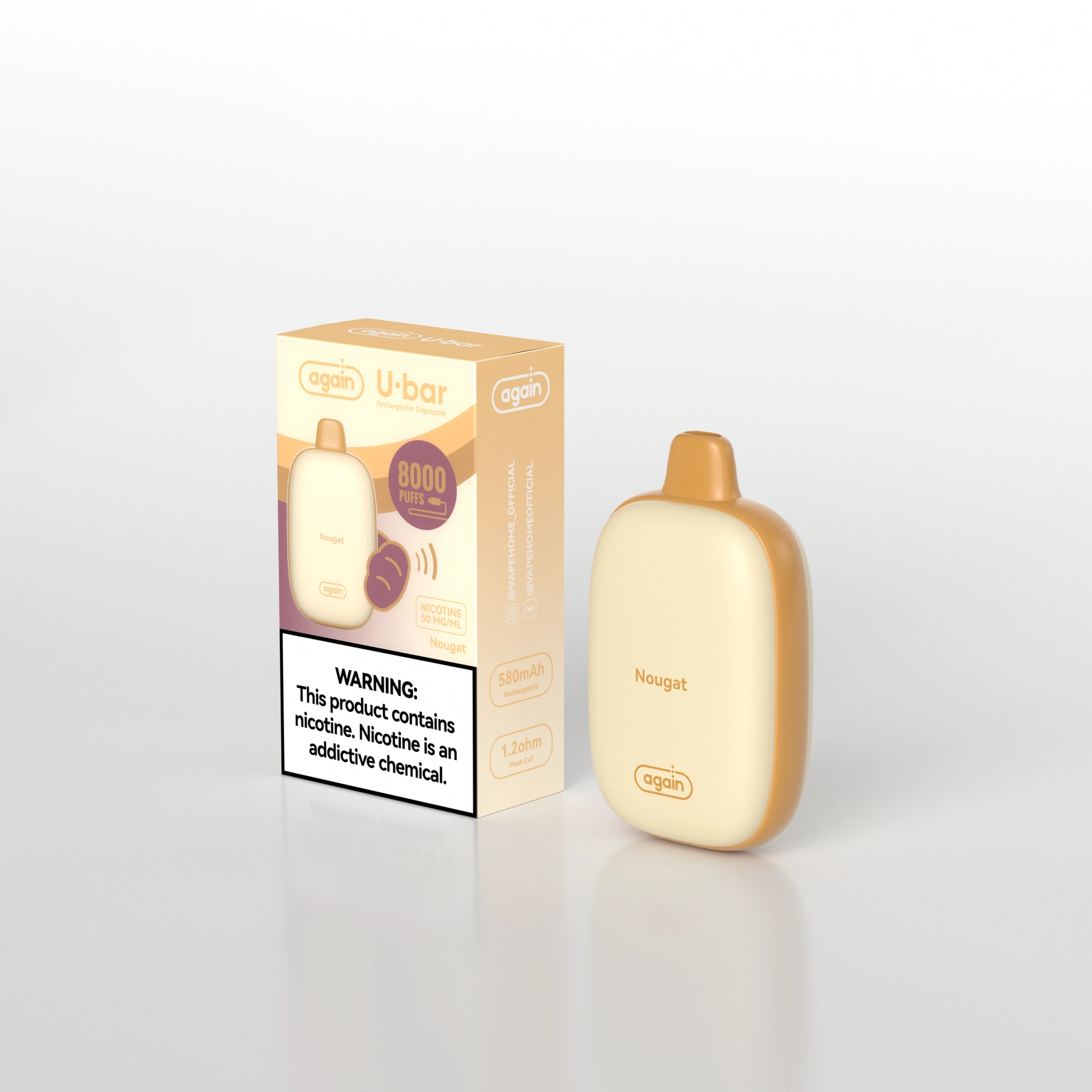
Shenzhen Vapehome Technology CO.,Ltd presents itself as established in 2013 with a focus on disposable vape R&D, manufacturing, and sales, and it describes OEM/ODM services as a main business from early on. In its company materials, it also states that it launched the “again” brand in 2020 and later relaunched “APOC,” while continuing OEM services for multiple brands and emphasizing confidentiality agreements for OEM orders.
On quality governance, the company describes a comprehensive QA system that includes strict raw material selection, standardized processes, “100% in-line and final product testing,” traceability, and regular third-party testing.
For a neutral internal reference that supports due diligence conversations, you can point readers to: OEM/ODM capability overview.
Conclusion
A strong OEM program is not defined by one “good sample.” It’s defined by a controlled flow from idea to shipment: a commercial spec that reflects real market constraints, a sampling process with versioned approval, production gates tied to recorded QC, and shipment handover that links cartons to documentation. Buyers who build these gates early spend less time firefighting later—because when something goes wrong, they can trace the story of the batch and fix the root cause instead of guessing.
FAQs
What does “OEM production flow” mean in a disposable vape project?
It refers to the end-to-end workflow that takes a buyer’s requirements through specification, sampling, controlled mass production, pre-shipment checks, documentation handover, and logistics. The key is that each step has clear acceptance criteria and recorded decisions so the shipped product matches the approved version.
Where do delays usually happen in a disposable vape OEM production process?
Most delays happen during sampling sign-off, artwork/labeling alignment, and late-stage change requests. Even small design or packaging changes can trigger re-approval loops and documentation updates, which is why version control matters as much as manufacturing speed.
What should distributors ask for before a shipment leaves the factory?
They should ask for batch identifiers, a summary of the testing performed for those batches, and shipping paperwork that matches the product and carton markings. This makes post-delivery issues traceable and reduces disputes.
Why do buyers care so much about change control in OEM projects?
Because silent component substitutions or undocumented revisions can create performance drift across shipments. Change control is the mechanism that keeps the product consistent, protects downstream relationships, and reduces compliance and returns risk.
How can anti-counterfeiting verification support B2B quality investigations?
If a channel contains mixed stock, verification helps separate genuine units from unknown sources. That improves traceability and makes customer complaint investigations faster and more reliable.