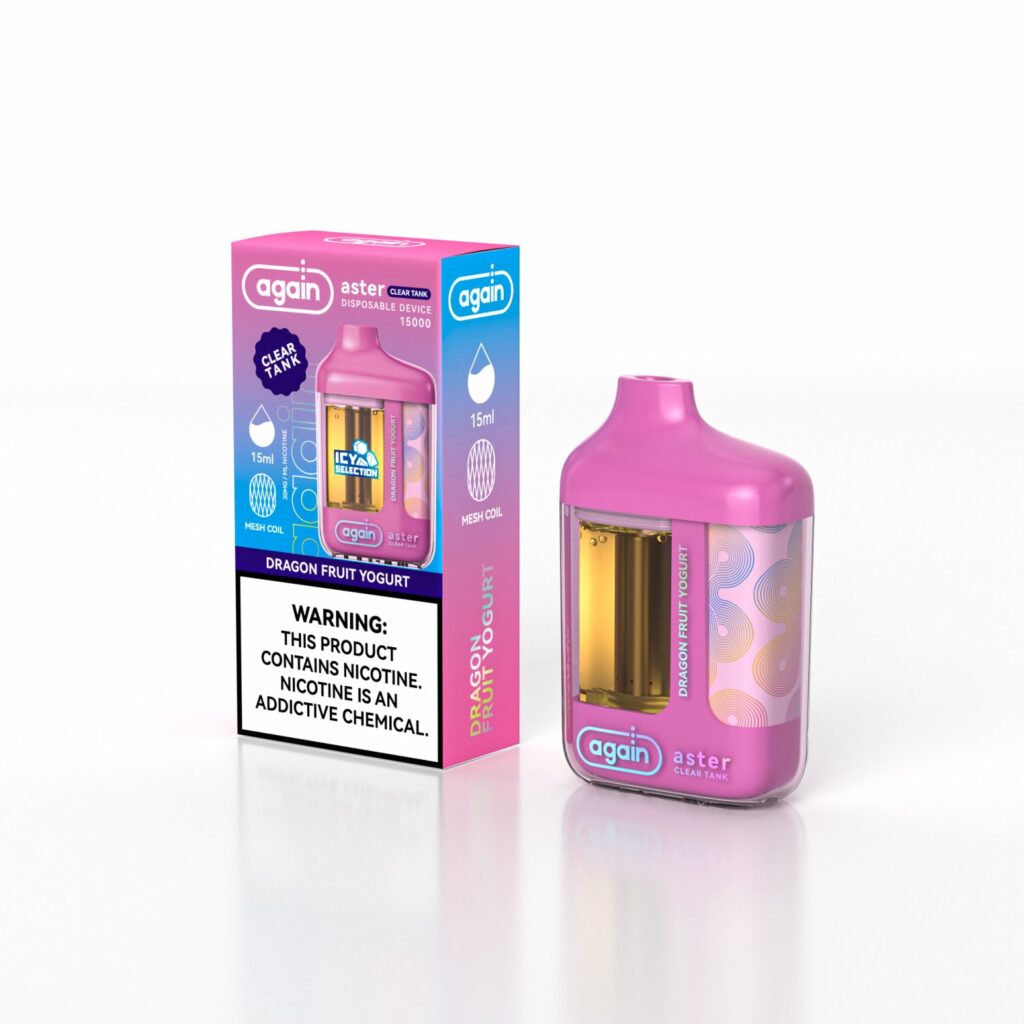
The perceived strength of a vapor product is not simply a subjective impression. It is based upon a complex interplay of physical, chemical and biological properties that govern the vaporization and delivery of nicotine to the user. Formulation of the vape oil, the design of the atomizer and the airflow system are all critical components that affect the overall experience of the product. In this article we delve into the science behind the perceived strength of vapor products to inform professionals in the industry.
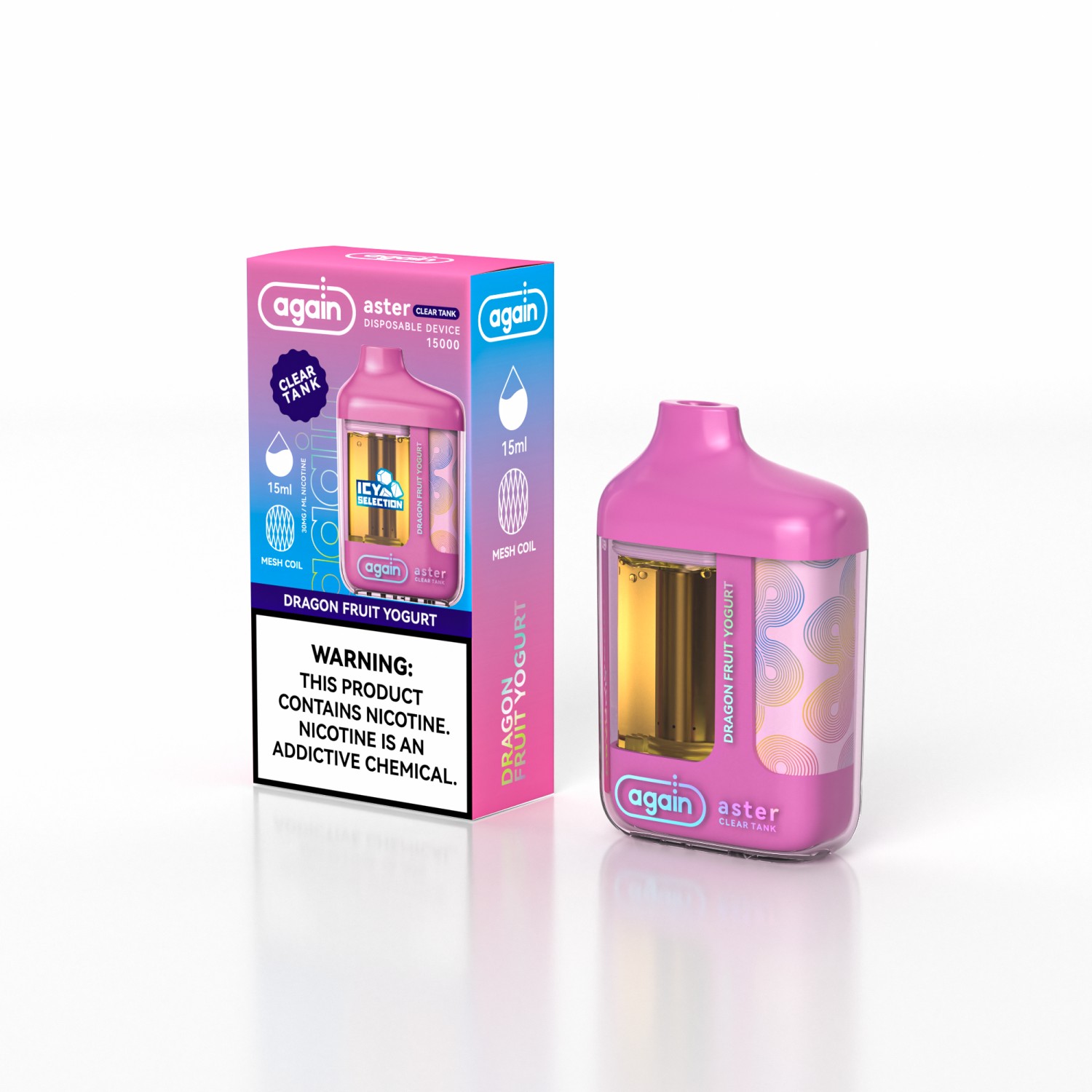
What Determines the Strength of a Vape Hit?
This is a guide to vaping and it is important to first understand the key factors that affect the experience before moving on to the design of devices and the chemistry of nicotine. The sensation that some vapes give off and which can make them feel stronger than others, is primarily affected by three key factors: the concentration of nicotine in e-liquid, the size of the particles in the vapor and the temperature at which the aerosol is produced. These factors affect how efficiently the nicotine in e-liquid can be converted into a form that can be inhaled and then how it is detected by sensory receptors in the throat and lungs.
The Role of Nicotine Concentration
Of all the factors that go into perceived hit strength, nicotine concentration is probably the most direct. The level of nicotine in vape juice determines the amount of nicotine in vape plasma after it is inhaled, and this in turn has the most direct impact on the user’s perceived hit. Of course, there is a big difference between nicotine that is dissolved in vape liquid at very high concentrations of nicotine and nicotine that is dissolved at very low concentrations of nicotine. Nicotine in the form of “nic salt” has been engineered to provide a smooth hit at very high concentrations of nicotine. The engineering trick behind nic salt is the use of an acid to neutralize the alkalinity of the nicotine in order to create a solution that can be vaped at very high concentrations without producing an unmanageably harsh hit. Because freebase nicotine is un-neutralized alkaline, it naturally produces a very sharp, harsh hit – the very different from that produced by nic salt. While that sort of hit is not for everyone, those who like it are able to get the hit they want at the level of concentration that they like, while still getting the desired level of absorption of the nicotine in the vape liquid that they have manufactured.
The Influence of Vapor Temperature and Density
Vapor temperature controls the density of the resulting aerosol as well as the size of the individual particles, which affect how fast nicotine is absorbed into the bloodstream. By increasing the temperature of the coil, you can produce more dense clouds of vapor that deliver fast-acting satisfaction, but it can also lead to vapor that is not as flavorful as it could be if it were cooled to a certain temperature. In order to keep the vapor as flavorful and strong as possible, many advanced devices now come equipped with temperature control systems, which work to regulate the vapor for optimal particle size, and use sensors to read the temperature of the vapor and work to keep it at a consistent and optimal temperature.
How Does Device Design Affect Nicotine Delivery Efficiency?
A device’s architecture is important to control the amount of vapor that is released by a user and the overall using experience. The key parameters are resistance of the coil, airflow and the wicking of the liquid. By means of the optimization of these parameters for a device, the vapor density and temperature as well as the bioavailability of nicotine are kept constant for every puff.
Coil Resistance and Power Settings
Low-resistance coils (sub-ohm) generate more vapor per puff due to increased current flow, amplifying total aerosol volume and enhancing nicotine delivery per draw. High-resistance coils favor slower heating cycles suitable for mouth-to-lung (MTL) vaping styles that mimic traditional smoking behavior. Power settings influence both vapor temperature and aerosol consistency; precise wattage tuning prevents overheating while sustaining efficient atomization. Manufacturers integrate mesh or upgraded heating systems to improve flavor delivery while maintaining reliability across extended use cycles.
Airflow Dynamics and Vapor Pathway
Airflow dynamics within an electronic cigarette describe how the air entering the device interacts with the vapor formed by the e-liquid as it is heated. By limiting airflow, vapor that is of greater density is produced, creating a more powerful throat hit through the production of more concentrated aerosol streams. The majority of modern devices contain adjustable airflow which can be used to increase or decrease the amount of air that enters the device in addition to changing the rate of airflow. This allows users to modify the amount of pressure required to draw air into the device as well as the volume of vapor that is produced and can be influenced by the specific type of e-liquid that is being used. The degree of turbulence in the airflow also determines how the resultant droplets of vapor are deposited within the user’s respiratory tract, with fine-tuning being required in order to alter the location of the principal sites of absorption from the upper respiratory tract to the alveoli where diffusion efficiency is at its highest.
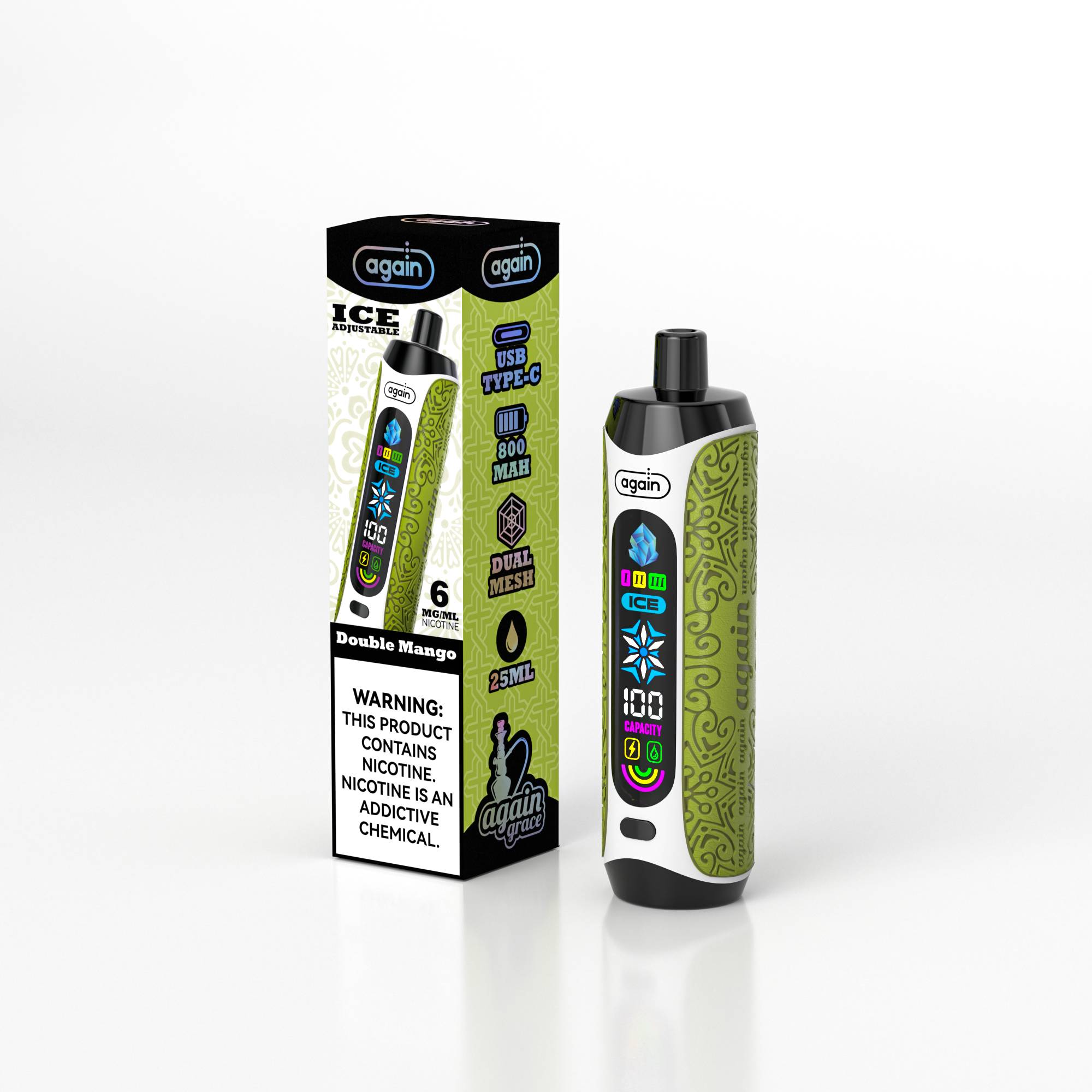
Why Do Formulation Differences in Vape Oil Matter?
The chemical makeup of vape e-liquids is key to how well the nicotine in them transforms from a liquid at room temperature, to a vapor aerosol when heated. Ratios of the various solvents used in e-liquids as well as additives to the liquid, and even the pH of the liquid, can affect just how smoothly or intensely a vape will hit the user’s taste buds and feel in their lungs as it is being inhaled.
Propylene Glycol (PG) vs Vegetable Glycerin (VG) Ratios
The higher viscosity of Propylene Glycol when compared with other ingredients increases the throat hit intensity. It is most suitable for vapers who prefer a sharp hit of flavor. Vegetable Glycol on the other hand, produces a smooth vapor with larger clouds, but the nicotine is released slower due to its higher molecular mass and lower volatility. A mix with balanced PG/VG ratios has the best taste retention and best delivery efficiency, because it combines the positive attributes of sensory perception and of a stable vapor production.
Nicotine Salt Chemistry and Absorption Rate
Nicotine salts are created by combining an organic acid with freebase nicotine to reduce the harshness at higher doses of nicotine and to increase the bioavailability by adjusting the pH to an acidic level. Acidic formulations increase the absorption of the nicotine by the pulmonary membranes of the lung very quickly due to the molecular stability that it provides within the aerosol. Salts also allow for products to be formulated at very high concentrations of nicotine without creating an harsh or uncomfortable experience for the consumer. This is very important for the modern day of disposable products that are small in overall size and are expected to perform very well.
How Does User Behavior Influence Perceived Strength?
Nicotine aerosol intensity and absorption are greatly affected by individual variability in smoking topography, even when using identical devices and identical formulations. Variability in behavior from session to session can result in variability in pharmacokinetic outcomes.
Puff Duration and Frequency Effects
Increasing the length of puffs from time to time will increase the total amount of aerosol taken into the mouth and gullet per using session. Thus, the amount of nicotine taken into the systemic circulation will increase in proportion to the increased volume of air taken into the mouth and gullet. Frequent puffs will lead to saturation of the respiratory system before full clearance has taken place. Therefore, the effects of such puffs will be increased with time. The time interval between puffs of a product affects two main processes: 1) Sensory adaptation of the receptors in the mouth and nose which temporarily will become desensitized after a short period of time. 2) The craving regulation that governs the consumption rhythm of a user.
Inhalation Depth and Retention Time
Taking in the air deeply to the lungs brings about a higher deposition of vapors in the alveolar areas, where they are best absorbed because of the high surface area of the alveoli that is in contact with capillaries. Brief retention times of the vapor are sufficient to maintain a low level of systemic uptake, even when maintaining vapor concentrations at the same level for long periods of time. This is because diffusion to and from the air in contact with the mucosal surface of the upper respiratory tract requires contact for a period of time which is longer than that required for absorption in the lungs. Consistent behavior is key to the replication of data that is collected from and/or the design of new controlled delivery systems of nicotine for smoking cessation studies.
How Do Environmental Conditions Alter Nicotine Delivery?
External factors, like ambient temperature, humidity and air pressure, can slightly affect the stability of an aerosol during inhalation and exhalation. You might perceive a change in vapor strength even if you keep changing the hardware settings.
Ambient Temperature Effects on Aerosol Formation
Higher temperatures accelerate evaporation of the solvent from the aerosol prior to completion of the act of inhalation. This could reduce the volume delivered per act of inhalation as the individual receives less of a ‘puff’ of droplets before they dissipate. Lower temperatures cause the aerosol to condense earlier in the mouthpiece or in the airway itself, potentially limiting the depth to which the individual inhaled drug is able to penetrate to the pulmonary regions. The effect of temperature on performance of such a device therefore needs to be included in any field test in order to establish an appropriate level of device calibration.
Humidity Influence on Aerosol Stability
Higher humidity during flight leads to droplet coalescence which affects the size distribution of inhaled particles before they get deposited in the lungs. In dry air, the formed aerosol is finer and penetrates deeper into the lungs, but might feel harsher because there is no moisture buffering. For laboratory tests, most prototypes are tested under fixed humidity in order to better compare the efficiency of drug delivery by different prototypes while all other variables are kept constant.
Why Shenzhen Vapehome Technology CO., Ltd Is a Reliable Partner in Vape Supply Chain
Vapehome, established in 2013, specializes in various vape products, mainly focuses on research, production and sale of disposable vapes. Under the leadership of Founder Simon, supported by an extraordinary team of engineers, passionate sales team and suppliers, Vapehome has been performing well in the industry in the past few years. For product quality, Vapehome established a comprehensive quality assurance system, which covers from Strict Raw Material Selection to Standardized Manufacturing Process, from 100% In-line & Final Product Testing, Quality Traceability, Regular Third-Party Testing to Customer Feedback & After-Sales Support etc.. Thanks to this solid system, every vape product is well-made to ensure precise coil resistance tolerances, critical to temperature control and thus to efficient consistent nicotine delivery.
In addition to the normal CE, RoHS, FCC certification, Vapehome also can help customers to apply for product and market certification in their country or region. Based on advanced coil technology, and proprietary airflow design through rigorous R&D process, Shenzhen Vapehome Technology Co., Ltd. is a leading vape products manufacturer, researcher, developer and supplier that specializes in designing and producing high-performance and safe vape products. All of engineering at Vapehome is based on scientific knowledge that governs the thermodynamic stability in vape atomization chamber, and such knowledge enables the company to control temperature change in atomization chamber most effectively and thus provide best vaping experience to end users.
Key Insights on Optimizing Nicotine Delivery Systems
Materials engineering has now advanced to the point where the coil’s material can be finely tuned to allow for rapid temperature increase without causing overshoot which can wreak havoc to the e-liquid. Modeling of the fluid dynamics within the atomizer now allows for good predictions as to the turbulence of the airflow within it, allowing for fine control of the e-liquid droplets as they are flung from the end of the atomizer to ensure evenly dispersal to the full range of respiratory pathways. Biochemical studies can quantify the rate of absorption by controlled laboratory simulation using well established puffing protocols.
By aligning formulation chemistry with intelligent hardware design strategies such as those implemented by Shenzhen Vapehome Technology CO., Ltd., producers achieve controlled performance meeting both regulatory standards like EU TPD compliance and evolving user expectations regarding smoothness versus potency balance.
FAQs About Nicotine Delivery in Vaping Devices
1. Why do some vapes feel harsher than others?
The differences in the PG/VG ratio and the coil temperature can have a massive impact on the throat hit. Freebase will generally give a sharper hit of throat irritation than a salt based version due to the higher alkalinity of the freebase molecule.
2. Does higher wattage always mean stronger nicotine delivery?
No, higher power generally leads to more vapor, but can create thermal degradation if not mitigated by proper airflow management which is generally implemented into the device’s firmware as part of its calibration profile.
3. Can two devices with the same e-liquid produce different effects?
Yes, variations in the coil geometry, material conductivity, power, regulation, airflow pathway, etc. can all create different aerosol characteristics that affect perceived strength even when using the exact same vape oil formulation.
4. How does nicotine salt improve user comfort compared to freebase forms?
Nicotine salts have lower pH levels which mean lower irritation and at higher concentration they do not become harsher. This means that longer vaping sessions become more comfortable.
5. What factors should professionals consider when designing high-performance vape systems?
When designing a spray dryer there are several key considerations including the thermodynamic stability of the heating elements, the corrosion resistant materials, the geometry of the atomization chamber, the precision required for the airflow, the ergonomics for easy of use and the integration of the safety features to meet the required International safety certifications. It is also critical to the manufacturing process to ensure reproducibility between batches.