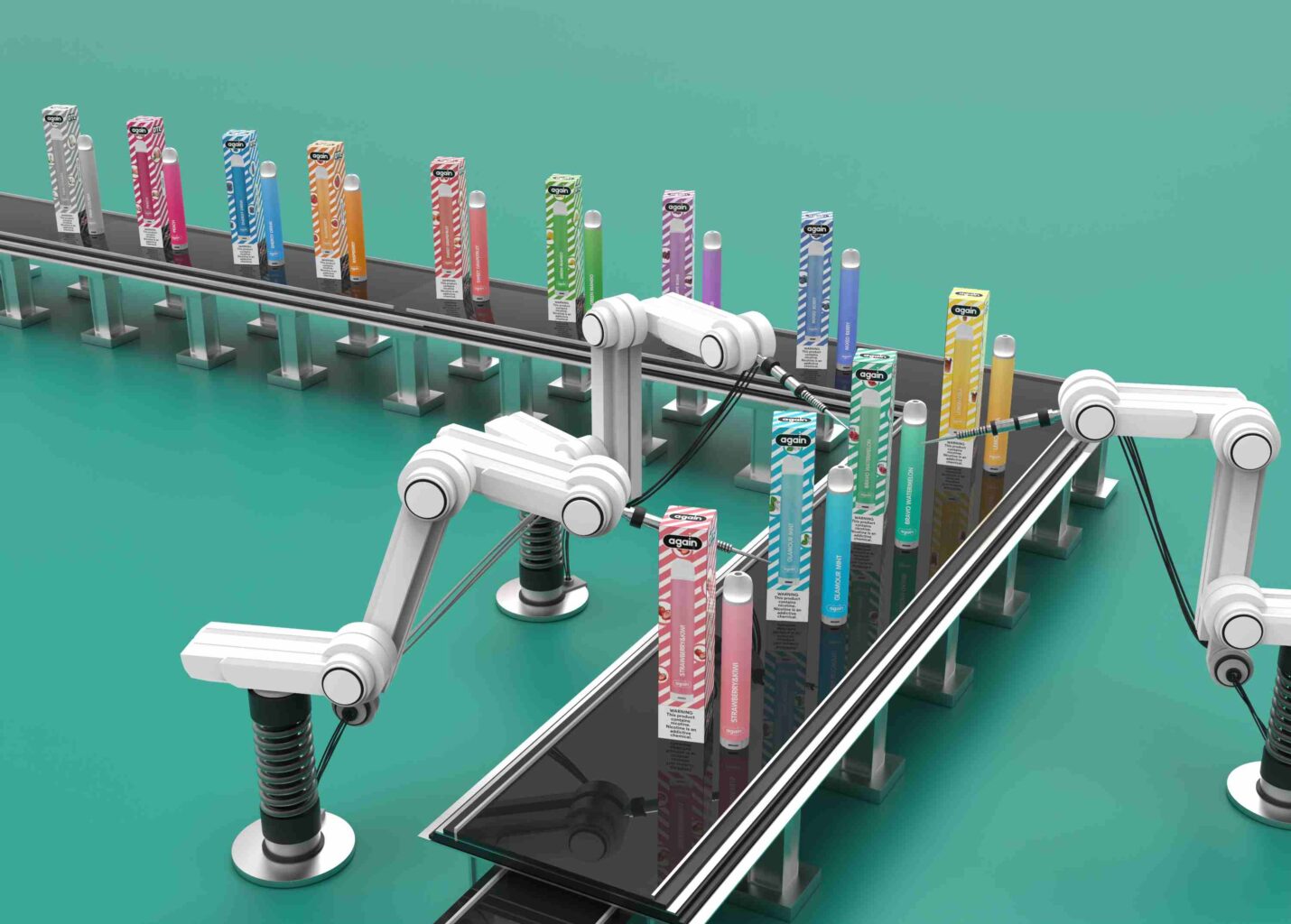
A pilot run can show whether a new vape product can be assembled under planned production conditions. It cannot, by itself, prove that every later order will be identical or that the product is ready for every market. The transition to mass production requires a deliberate review of what the pilot actually demonstrated, what still needs correction, and which version the brand wants to release.
For brand owners, the most useful question is not simply “Did the pilot run finish?” It is “Do we have enough agreed evidence to authorize the next production stage?”
What Should a Pilot Run Be Designed to Answer?
A pilot run should test the proposed product and production approach at a limited scale. Its purpose is to expose issues while changes are still manageable. Before it begins, the brand and factory should agree on the product version, planned quantity, review criteria, and who will decide whether the result is acceptable.
The review criteria should reflect the actual product. A disposable device and a refillable kit have different assemblies and customer-facing details. For example, an APOC GT-ONE Refillable Pod Vape Kit project would need a review appropriate to the approved kit configuration, rather than a checklist intended for a disposable model.
Which Findings Need a Decision Before Scaling Up?
The brand should review the pilot results with the factory while the evidence is still fresh. Separate cosmetic observations from issues that could affect the agreed product, packaging, or repeatability. Each significant finding should have a documented disposition: accept, correct and verify, or defer with an explicit reason.
Does the Output Match the Approved Reference?
Compare pilot units with the approved sample and current specifications. Look for differences in visible finish, assembly, labeling, accessories, and packaging. If the pilot used a temporary component or unfinished artwork, identify that exception clearly. Otherwise, a temporary arrangement can accidentally become the mass-production baseline.
When the product is a disposable vape, the team should also confirm that the pilot units correspond to the particular model and configuration being ordered.
Were Problems Corrected and Rechecked?
A proposed fix is not the same as a verified fix. If the pilot reveals an issue, record its cause where known, the agreed action, and the result of a follow-up check. The brand should know whether verification used revised units, another limited run, or another suitable method.
Are the Production Files Ready?
Before mass production, check that the product specification, approved sample identification, variant list, packaging artwork, and purchase-order description all refer to the same version. Confirm who owns the current files and how the factory will identify them during production.
How Should the Brand Make the Go-or-No-Go Decision?
A decision meeting should end with one clear outcome: proceed, proceed only after named conditions are closed, or pause. The record should identify the pilot version reviewed, the evidence considered, open issues, responsible people, and the next approval point.
The initial mass-production order can also be reviewed as a separate stage. The brand may ask how early production output will be compared with the approved reference and how any unexpected differences will be reported.
What Can Brand Owners Ask Their Factory to Provide?
A useful factory review is specific. Ask for the pilot summary, the list of observed issues and actions, the current product and artwork versions, and the proposed checks for the first production order. Ask which decisions need brand approval and which can be handled within the already approved specification.
Shenzhen Vapehome Technology Co., Ltd. identifies vape-product manufacturing and OEM services on its official site. Brand owners discussing a project with the company can use these questions to establish a shared decision record. They should also review the relevant product range when defining which model or category their project concerns.
Conclusion
Moving from a pilot run to mass production is a controlled decision, not merely a change in order quantity. A brand should confirm that pilot output matches its approved reference, important problems have been addressed, production files agree, and any conditions for proceeding are documented. Those steps give the factory a clearer production target and give the brand a better basis for reviewing the first large order.
FAQs
Does a successful pilot run guarantee a successful mass-production order?
No. A pilot provides evidence about a defined version and limited run. The first larger order still needs appropriate checks against the approved reference, especially if materials, files, or processes have changed.
When should a brand request another pilot run?
Consider another run when a change or unresolved issue could materially affect the product being sold and a smaller follow-up check would not provide enough evidence. The brand and factory should agree on the reason and review criteria first.
Who should approve the move to mass production?
The brand owner should designate a decision-maker, while the factory provides the relevant pilot findings and confirms the production version it will use. The approval record should show the decision, conditions, and date.