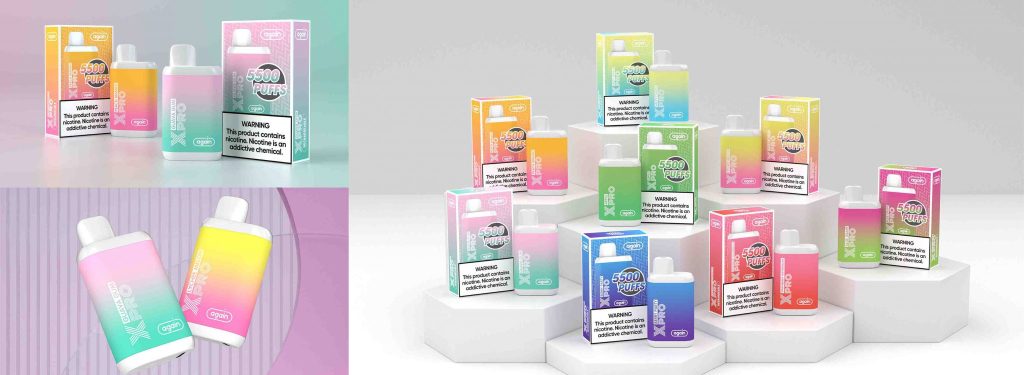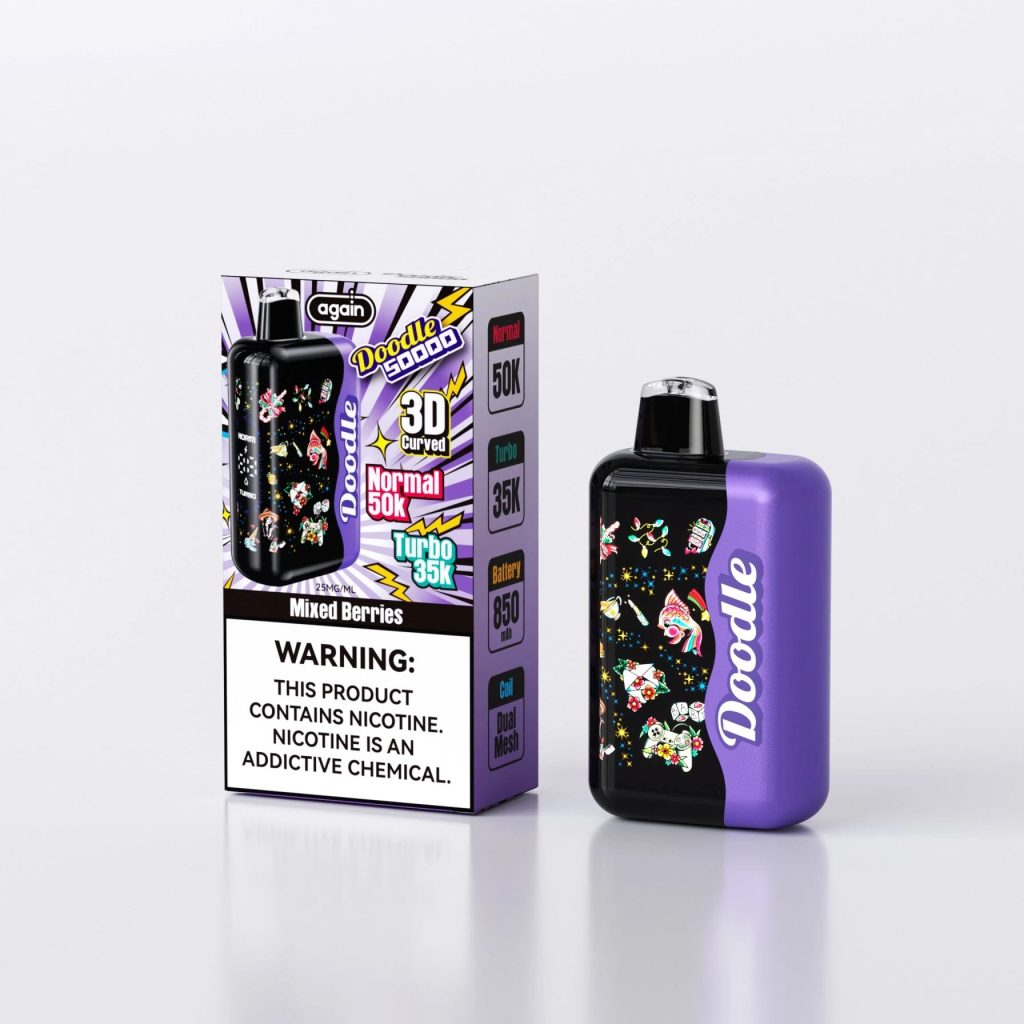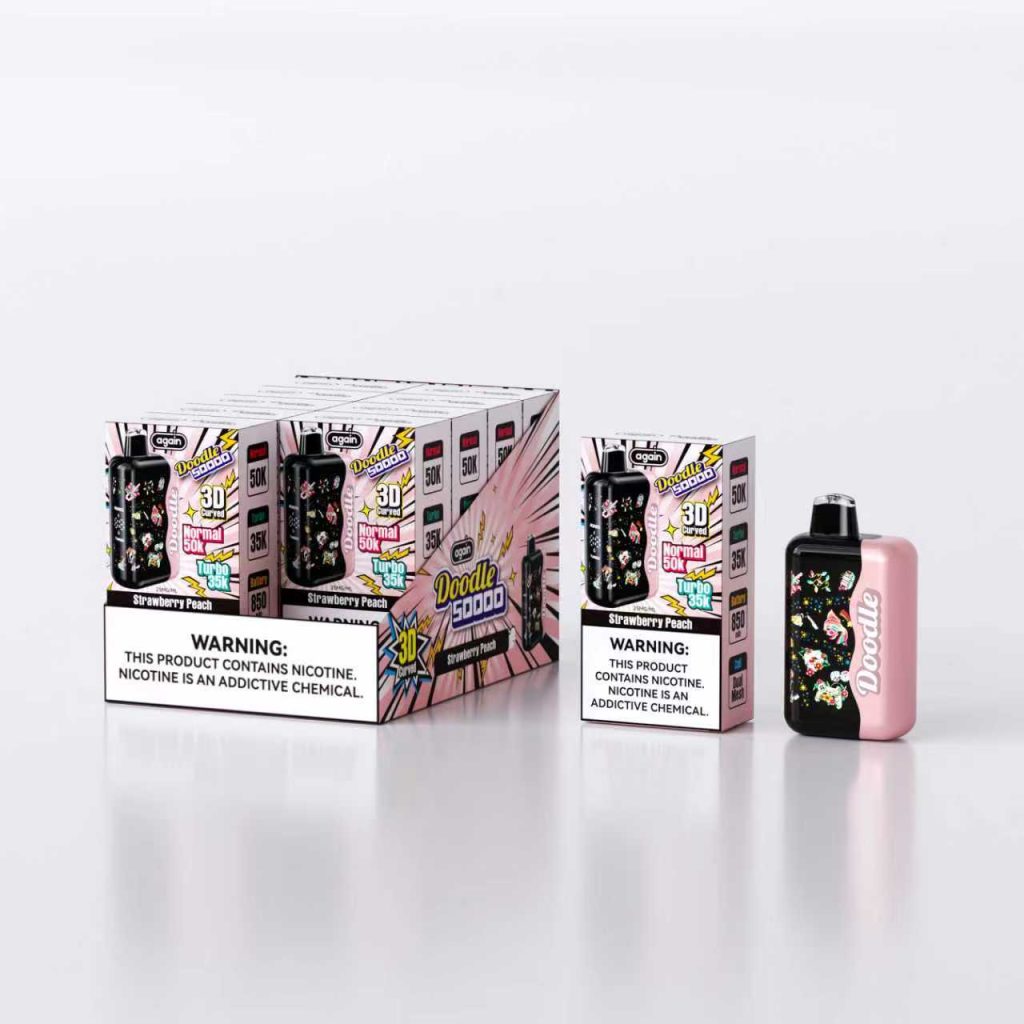
How to verify puff count claims for high-puff disposable vapes is a practical question that comes up the moment a wholesale order moves from a small pilot to real volume. In wholesale incoming inspection, “puff count” isn’t just a marketing number—it becomes a returns driver, a contract argument, and sometimes the difference between a clean launch and a messy chargeback season. The good news is you can verify the claim in a way that’s repeatable, defensible, and cheap enough to run as part of routine receiving, as long as you stop treating puff count like a single number and start treating it like a test result tied to disclosed conditions.
Answer: How to verify puff count claims for high-puff disposable vapes
Step 1: Verify what the claim actually means before you test anything
Start by freezing the exact claim you’re checking. Is the packaging saying “25,000 puffs,” “up to 25,000,” or a model-specific claim that assumes a particular mode or airflow setting? For adjustable-power or multi-mode devices, you cannot verify a puff count claim without specifying which setting is being verified because power level changes liquid consumption per puff.
In receiving, this matters because you’re not just testing a device—you’re validating a commercial statement you may repeat to your downstream accounts.
Step 2: Require the supplier’s test conditions in writing (or treat the claim as unverified)
Most disputes happen because the puff-count regimen is never disclosed. A supplier may have used very short draws with long intervals to generate a large puff number, while your market’s typical usage looks nothing like that. Industry-facing guidance exists precisely because the regimen changes outcomes; standard machine puffing conditions have been formalized by CORESTA and developed into ISO-oriented frameworks for repeatable aerosol generation.
At minimum, ask for draw volume, draw duration, puff interval, sample size, and the endpoint definition used for counting “the last puff.” If they can’t provide this, your verification process should classify the claim as “marketing-only” and not acceptable for procurement language.
Step 3: Choose your incoming-inspection baseline regimen and keep it consistent
You do not need to win an argument about the “perfect” puff. You need a baseline that is consistent and defensible, and that roughly reflects how your channel is used. A common baseline in the industry uses fixed draw volume, draw duration of a few seconds, and a consistent interval between puffs—exact values vary by product style and lab setup, but the key is that the regimen is disclosed and reproducible.
If your target market tends to take longer draws or shorter intervals, you can also run a “market-stress” regimen as a second condition. The verification logic stays the same; only the conditions change.
Step 4: Define a clean endpoint so “puff count” can be counted the same way every time
This step sounds boring, but it’s where the biggest mismatches hide.
One team stops counting when vapor output drops below a threshold. Another team stops when the device stops firing. A third team stops when the indicator shows empty. Those are different endpoints, and they can produce different puff counts for the same physical device. Your inspection SOP should define endpoint language that your QA team can execute without guessing, then require the same endpoint language in supplier reports.
Step 5: Use a two-stage receiving plan so you don’t burn margin on full depletion tests
Wholesale incoming inspection is not a lab. You need a screening stage that catches obvious risk quickly, followed by a limited “run-to-endpoint” stage on a small sample.
In practice, Stage 1 is about verifying the build matches the order: the correct e-liquid volume class, battery capacity class, charging capability if applicable, and any mode-related conditions that affect consumption. Stage 2 is where you actually verify puff count by running a smaller number of units to the defined endpoint under your baseline regimen. You can keep Stage 2 small because its job is to validate the claim’s plausibility and batch consistency, not to generate marketing content.
Step 6: Run the verification test in a way that produces evidence, not just a number
If you have access to a controlled puffing setup (internal or third-party), record more than “total puffs.” Track at least three things: total puff count to endpoint, device mass loss (as a proxy for liquid consumption), and any performance instability that would make the last portion of the puff count commercially meaningless (weak output, inconsistent activation, overheating cutoffs). Machine-based testing is widely used for repeatability, and that repeatability is the entire point of verification.
Step 7: Pass/fail should be a range, not a single magic number
A puff count claim is a performance result under conditions, not a guaranteed unit like milliliters. Many top-ranking explanations emphasize this because user behavior changes outcomes, and even machine results vary by regimen.
For incoming inspection, your goal is a decision: “Accept this lot as consistent with the claim under our defined baseline,” or “Hold for clarification/retest,” or “Reject or renegotiate.” That decision works best when you set a tolerance band. You might accept an average that lands within an agreed percentage of the claim under your baseline regimen, while also requiring that the spread across samples stays tight enough that you won’t see a wave of customer complaints.
Why puff count claims fail in the real world—even when nobody is “lying”
If you read the top Google results on puff count, you’ll see the same theme repeated: puff count numbers are often generated under machine conditions that do not look like human use, and some sellers use very short puffs to inflate the headline.
For B2B buyers, the more useful framing is this: puff count is an output of an engineering stack plus a regimen. If you change the regimen, you change the output. If you stress the engineering stack (battery cutoff behavior, coil saturation stability, airflow resistance, sensor sensitivity), you change the output. Verification is simply aligning those two realities—conditions and hardware—so the number you approve is a number your channel can live with.
What to request from suppliers so verification is fast instead of painful
Incoming inspection gets messy when the buyer has to reverse-engineer the supplier’s assumptions. If you want to keep receiving smooth, treat puff count like any other spec you would verify in procurement: require disclosure of test conditions, sample size, and endpoint definition in the quotation pack, then reference the same fields in your receiving SOP.
If a supplier insists their puff count is “standard,” that is not a disclosure. Standard means you can write down the parameters and run the same method again next month and get a comparable result. CORESTA-style recommended methods and ISO-oriented vaping machine requirements exist precisely to reduce ambiguity in repeatable testing, even when different labs use different equipment.
A receiving-room workflow that actually fits wholesale reality
Most distributors don’t have the time—or the appetite—to run every shipment until depletion. That’s why a layered workflow wins.
Start with a simple intake note: lot ID, carton count, production date, and the exact puff claim you will verify. Then run a short screening that looks for leading indicators of puff-count disappointment: inconsistent activation, obvious leakage risk, poor charging behavior on rechargeable models, or settings that change consumption per puff.
Only after screening should you run the verification sample to endpoint. The key is that this sample run must be done under a defined baseline regimen and endpoint definition, with enough recorded evidence that you can show your supplier exactly what you did if the result lands short of expectation.
If you want to make this workflow even easier for teams that manage multiple SKUs, build your receiving standards around product families instead of one-off models. For example, you can group devices by e-liquid volume class, battery capacity class, and whether they’re rechargeable—because those attributes change whether the full liquid load can realistically be consumed before cutoff. In many modern portfolios, e-liquid volume can range from small formats up to high-capacity designs, often paired with rechargeable batteries and USB-C charging to help use the full liquid load, and mesh heating systems to keep output steady across long runs.
To see how these configurations appear across a manufacturer’s catalog, you can review the current lineup on the product portfolio page.
How to judge whether the verified puff count is commercially “safe”
Even if your test matches the supplier’s regimen, you still need to decide whether the result is safe for your channel.
A useful decision lens is complaint risk. If your verified puff count is close to the claim under baseline conditions but drops sharply under a market-stress condition (longer draws, shorter intervals), that’s a warning sign for certain customer segments. If your sample results show wide spread between units, that’s a warning sign for batch consistency and returns. And if the last portion of the device life produces weak output or frequent cutoffs, you may technically “hit” the puff number while still disappointing end users—meaning you’ll still see refunds.
The buyers who avoid these problems do two things early: they define what “verified” means in their own receiving language, and they require the same language in supplier documentation. That turns puff count from a vague debate into a purchase condition.
If you want the engineering background behind why the stack matters—usable liquid volume, battery discharge curve, coil and wick behavior, airflow and sensor behavior—use the pillar guide as your reference point, then keep this article as the receiving-room SOP: What determines puff count and how B2B buyers can verify it.
About Shenzhen Vapehome Technology CO.,Ltd
Shenzhen Vapehome Technology CO.,Ltd was established in 2013 and focuses on disposable vape R&D, manufacturing, and sales, with OEM/ODM work remaining a core part of its business. The company describes a quality assurance system that includes raw material selection, standardized production, in-line and final testing, traceability, and regular third-party testing cooperation, alongside support for market-specific certifications when required.
From a buyer’s perspective, that matters because puff count verification only works when two things are true at the same time: the device architecture is designed for stable long-life performance, and the factory controls are consistent enough that one sample run doesn’t mislead you about the rest of the lot. For a quick overview of the company’s background and capabilities, see Shenzhen Vapehome Technology CO.,Ltd — About Us.
Conclusion
How to verify puff count claims for high-puff disposable vapes comes down to one idea: treat puff count like a disclosed test result, not a promise that floats free of conditions. If your wholesale incoming inspection locks the claim definition, requires written test parameters, uses a consistent baseline regimen, defines an endpoint, and applies a range-based pass/fail decision, you can validate puff count in a way that reduces returns and keeps supplier conversations factual instead of emotional.
FAQs
How to verify puff count claims for high-puff disposable vapes without a lab?
You can still verify puff count claims for high-puff disposable vapes by running a small “run-to-endpoint” sample under a written baseline regimen and a written endpoint definition, then documenting the count and any output collapse near end-of-life. It won’t be as controlled as a lab machine, but it’s defensible if you keep the method consistent across lots and suppliers.
Why do verified puff counts drop when we test with longer draws?
Longer draws increase energy delivery and liquid consumption per puff, and they can push the coil hotter with less recovery time. That changes the system outcome—so your verified puff count drops even when the device is fine. The fix is not arguing about whose puff is “correct”; the fix is verifying under a regimen that matches your market’s use pattern.
What endpoint should we use when we verify puff count claims for high-puff disposable vapes?
Pick an endpoint that your team can execute consistently and that reflects commercial reality. Many buyers use “device stops firing” or “vapor output falls below a defined threshold” as the endpoint, but the critical point is to define it in writing and require the same definition in supplier documentation, so your verification result is comparable.
What sample size is reasonable for wholesale incoming inspection puff count verification?
There isn’t one universal number. A practical approach is to run a small screening sample on every lot and reserve larger depletion testing for higher-risk situations, such as a new supplier, a new coil configuration, or when complaint history suggests variability. What matters most is that the sample is tied to a lot definition and that you record the spread, not just the average.
What’s the fastest way to spot inflated puff count claims before we ship to retailers?
Ask for the supplier’s puffing parameters and endpoint definition first, then replicate a short verification run on a small sample. If the supplier’s claim relies on very short draws with long intervals, you’ll often see a large gap when you test under a baseline regimen closer to real use. That early gap is the signal to renegotiate claim language before inventory hits stores.