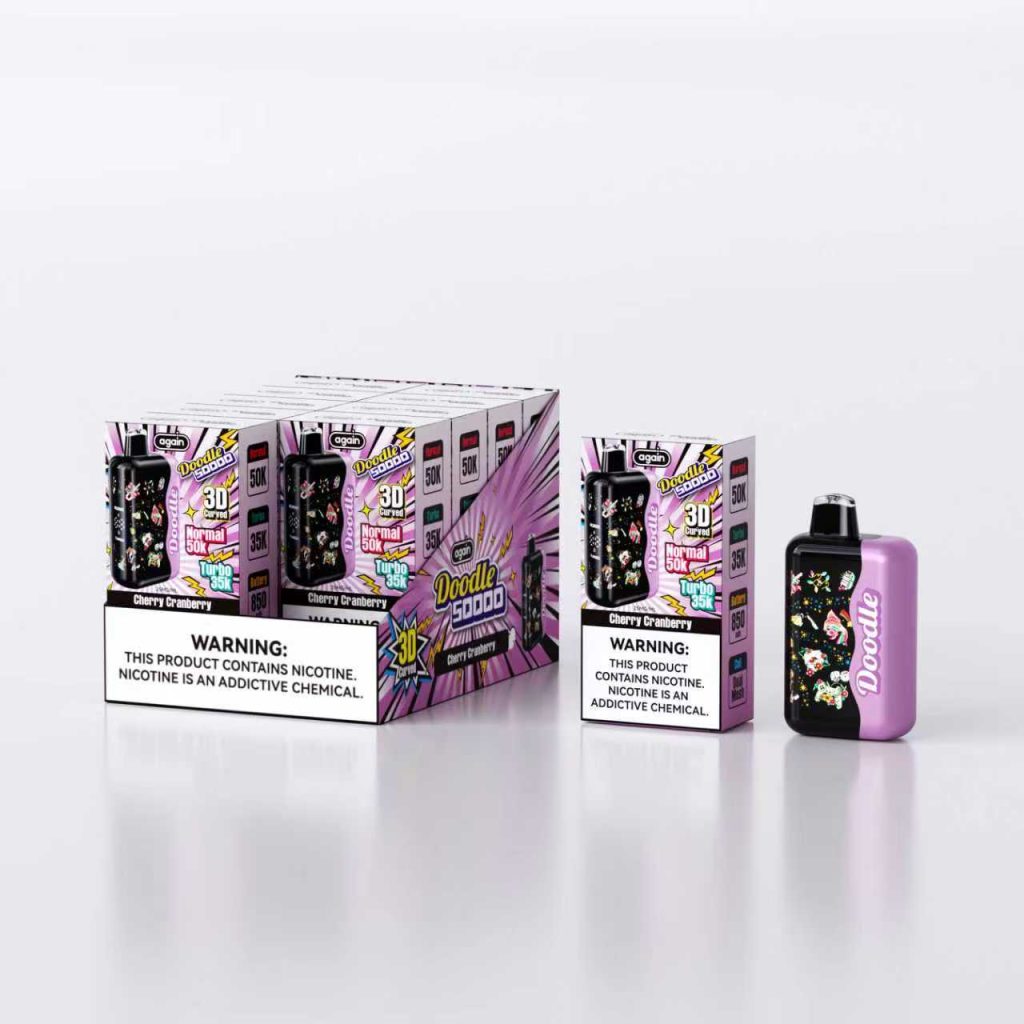
If you are evaluating OEM vs ODM Disposable Vapes: Which Model Fits Your Brand Stage, the decision is rarely about a single factor like price or lead time. In regulated markets, the model you choose shapes your compliance responsibilities, the strength of your quality documentation, and how much control you retain once production scales. That’s why experienced buyers treat OEM/ODM as a governance decision first, and a sourcing decision second.
In day-to-day B2B work, the same pattern repeats. A brand team wants a product that is consistent across shipments. A distributor wants fewer returns and fewer surprises at customs. A compliance lead wants documentation that can survive audits and product notifications. When those needs are not built into the manufacturing model, issues surface later as labeling gaps, inconsistent batches, undocumented design changes, or incomplete traceability.
This guide explains OEM and ODM in plain business terms, then goes deeper into what matters for risk: responsibility mapping, documentation packages, change control, and a practical decision matrix tied to your compliance maturity, not hype.
Why the OEM vs ODM Choice Matters in Regulated Markets
OEM and ODM can both produce viable devices. The difference is where design responsibility and documentation ownership live, and how clearly they are contractually defined.
In the EU, tobacco and related product regulation sets out safety, quality, and notification requirements for e-cigarettes and obliges manufacturers and importers to notify national authorities before placing products on the market. In Great Britain, official guidance also frames notifications as a manufacturer/importer obligation, with product-type documentation expectations tied to submissions. If you are the brand on the box, you still need to understand whether you are acting as “manufacturer,” “importer,” or another accountable party in the target market—and what evidence you must keep to demonstrate control.
That’s the real risk lever. Under OEM, you typically control more of the design input and can specify acceptance criteria in detail. Under ODM, you typically gain speed and a pre-engineered platform, but you must manage change control and versioning more aggressively, because upstream platform changes can affect what you are selling downstream.
OEM vs ODM, Explained Without the Usual Gloss
OEM in practical terms
In an OEM arrangement, the brand side usually provides a clearer specification package: the target performance, the configuration, labeling requirements, and acceptance criteria. The factory manufactures to that technical package. This model can be a strong fit when you have internal capability to define requirements and you want tighter control over product consistency across revisions.
ODM in practical terms
In an ODM arrangement, the factory typically provides an existing platform design and adapts it to your needs. You get speed and a shorter path to a working sample, but you must pay closer attention to platform governance: what constitutes a “material change,” how revisions are documented, and how compliance files are updated when the platform evolves.
Many top-ranking Google pages stop here and call it done. For B2B buyers, that’s not enough. You need to know what this means for responsibility, documentation, and lifecycle control.
Responsibility Map: Who Must Do What (and Prove It)
A useful way to reduce risk is to separate “who builds” from “who is accountable in market.” They are sometimes the same entity, but often not.
In the EU-CEG system, the European Commission’s guidance clarifies that only manufacturers and/or importers of tobacco and e-cigarette products are required to obtain a Submitter ID to submit product data through EU-CEG. That’s a concrete example of why the responsible party must be clear: the entity submitting information is not just a “marketing label,” it’s an accountable participant in a regulatory process.
In Great Britain, MHRA guidance hubs and product-type guidance emphasize notification submissions for e-cigarette/vape products made by manufacturers or importers. Practical implication: if you are importing and placing a product on the market, you may carry obligations even if manufacturing is outsourced. Your OEM/ODM model should be set up so you can obtain accurate data from the factory, keep it current, and demonstrate change control.
In contracts, this typically translates into three operational needs. First, a clearly defined documentation package with version history. Second, a defined change-control process with written notice periods. Third, traceability expectations that connect each shipped batch to its materials and production records.
The Compliance Documentation Package: What “Good” Looks Like
Buyers often ask for “certificates,” but risk usually hides in the details that never show up on a glossy PDF.
A minimum viable compliance documentation package typically includes a BOM baseline, materials declarations, relevant test reports, and a consistent way to link production batches to those documents. Official expectations vary by market, but the structural requirement is stable: the responsible party must be able to show what the product is, how it is made, and whether it changed.
For vape products in the EU context, many summaries of Tobacco Products Directive-related practices emphasize notification of products before placing them on the EU market and note that significant product modifications require a new notification. Even if you do not rely on any one secondary source as legal advice, the operational lesson is sound: you must treat product changes as compliance events, not just engineering tweaks.
That is also where OEM vs ODM changes your workload. Under ODM, it is easier for upstream platform changes to occur. Under OEM, you may own more design decisions, but you also gain a cleaner line of sight into what changed and why—if you run disciplined document control.
Quality Systems That Survive Scale
“Quality control” is another phrase that gets repeated without specifics. For B2B decision-making, quality is not only about pass/fail on the day of shipment. It is about repeatability across months, across suppliers, and across logistics cycles.
ISO 9001-aligned thinking is helpful here because it emphasizes documented procedures, inspection and testing, and evidence that a process is controlled rather than improvised. You do not need to turn your blog into an ISO manual, but you should speak in the language buyers actually use: incoming material inspection, in-process control, final testing, nonconforming product handling, and CAPA-style feedback loops.
From the company-provided materials you shared, Shenzhen Vapehome Technology CO.,Ltd describes a comprehensive QA system covering strict raw material selection, standardized manufacturing processes, 100% in-line and final product testing, a quality traceability system, regular third-party testing, and after-sales support.
The company also describes material inspection, assembly process control, and pre-shipment testing on its About Us page. Those statements matter most when they are paired with a buyer-friendly evidence package: sample test records, batch traceability examples, and a documented change-log approach.
For readers who want to quickly understand the available product families before they assess documentation needs, the neutral internal reference point is the catalog page: Product Portfolio.
Change Control: The Most Common OEM/ODM Failure Mode
In real-world distribution, the biggest failures are rarely dramatic. They are quiet. A component is substituted due to supply constraints. A coil variant is updated. A packaging detail shifts. A label format changes. Nothing “breaks,” but the product is no longer identical to what downstream partners expect, and compliance files may lag behind.
That is why a disciplined change-control process should be seen as part of your OEM/ODM selection. In practical terms, you need a written definition of what counts as a controlled change, how far in advance changes must be communicated, and what re-testing or documentation updates are required. This becomes even more important for ODM-based programs, where platform evolution may serve multiple customers.
A useful credibility feature for any brand operating at scale is an anti-counterfeiting or verification pathway, because counterfeits and gray-market mixing can confuse traceability and complicate complaint investigation. Againvape provides an on-site verification flow that asks users to scan a label QR code or enter an anti-counterfeiting code. Anti-Counterfeiting Verification.
A Practical OEM/ODM Selection Matrix Based on Compliance Maturity
Instead of choosing “OEM or ODM” as an identity statement, treat it as a staged operating model.
If your organization is early-stage from a compliance governance perspective, ODM can reduce development time, but only if you negotiate strong documentation deliverables and strict change-notice requirements. In this stage, you are buying predictability more than novelty.
If your organization is mid-stage, with clearer internal specs and stable target markets, OEM can improve your control over configuration, labeling consistency, and acceptance criteria. The advantage is not just customization; it is the ability to align manufacturing output with your own document control and release process.
If your organization is multi-market and audit-sensitive, either model can work, but the differentiator becomes lifecycle management: revision control, traceability depth, and the supplier’s willingness to support ongoing regulatory documentation needs. The European Commission’s framing of manufacturer/importer obligations for product regulation is a reminder that accountability follows the product into the market, regardless of how manufacturing is arranged.
For readers who want a single internal page that summarizes the company’s history, capability positioning, and manufacturing background before evaluating OEM/ODM fit, use the About Us page as the reference point: OEM/ODM Services at Vapehome.
Shenzhen Vapehome Technology CO.,Ltd: Brief Introduction
Established in 2013, Shenzhen Vapehome Technology CO.,Ltd focuses on vape products, particularly disposable vape R&D, manufacturing, and sales, and describes OEM/ODM as an early core business.
The company’s About Us page describes a decade-plus operating history and notes a 10,000㎡ factory footprint alongside engineering and production teams.
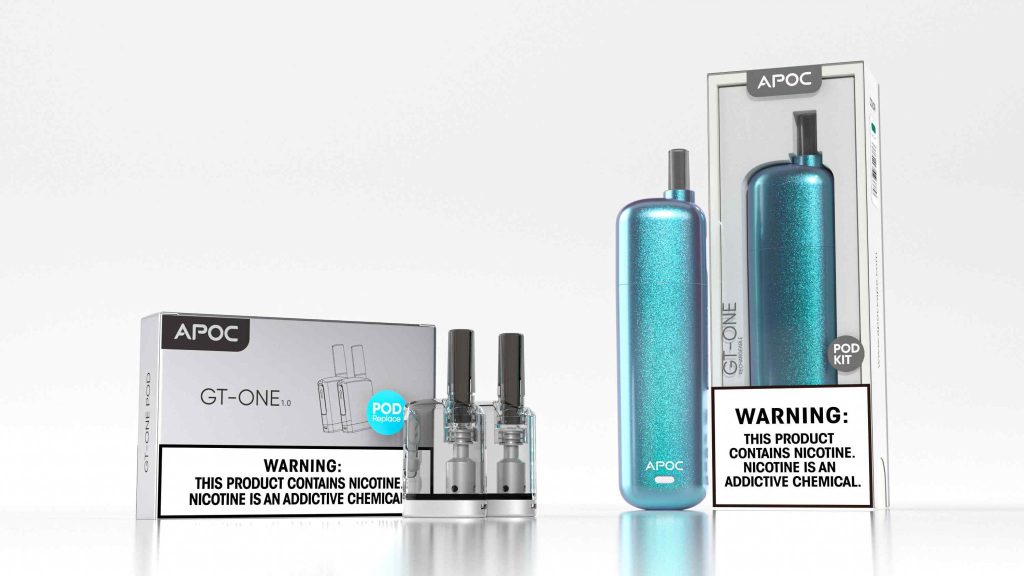
According to the company-provided material, Vapehome launched the “again” brand in 2020, and states that its first product “again DTL” sold more than 10 million pieces, with distribution across more than 20 countries; it also describes a relaunch of the “APOC” brand in 2022 and continued OEM service for dozens of brands, including confidentiality agreements for OEM orders.
The company also states it cooperates with customers on certifications in their local markets, listing examples such as EU TPD and UK MHRA alongside other regional certifications, and highlights registered appearance and utility patents for original products.
For a single internal reference that supports brand credibility and due diligence conversations, you can cite the company profile directly: About Shenzhen Vapehome Technology CO.,Ltd.
Conclusion
OEM vs ODM is not a slogan; it is a control system. The right choice depends on how mature your compliance operations are, how many markets you need to support, and how disciplined your organization is about documentation and design changes. ODM can make early execution simpler, but it demands strong platform governance and change control. OEM can offer more precision and repeatability, but it requires clearer specifications and stronger internal release discipline. In both cases, the buyers who avoid costly surprises are the ones who treat compliance documentation, traceability, and revision control as first-class requirements—not afterthoughts.
FAQs
What is the main difference between OEM vs ODM disposable vapes for B2B buyers?
For B2B buyers, the key difference is where design control and documentation ownership sit. OEM typically means you define more of the specification and acceptance criteria, while ODM typically means you adapt an existing platform and must manage change control and versioning more actively.
Who is responsible for product notification in the EU and Great Britain?
Responsibility depends on your role in market. EU-CEG guidance indicates manufacturers and/or importers need a Submitter ID to submit product data via EU-CEG. In Great Britain, MHRA guidance frames notification submissions as obligations for manufacturers or importers of e-cigarette/vape products.
What documents should I ask for in an OEM/ODM compliance dossier?
A practical dossier usually includes a controlled BOM baseline, materials declarations, relevant test reports, batch traceability records, and a change log that links product revisions to updated documentation. The exact set depends on market requirements, but the core need is evidence you can keep current as the product evolves.
Why is change control so important in ODM projects?
Because ODM platforms can evolve across customers and over time. Without clear change-notice rules, your shipped product can drift from the version your downstream partners expect, and your documentation may no longer match production reality. That creates risk in audits, notifications, and customer complaints.
How can anti-counterfeiting systems support compliance and quality investigations?
They can help separate genuine units from counterfeits or gray-market stock, which improves traceability and reduces confusion when investigating complaints or returns. Againvape’s verification flow is an example of a structured authenticity check.