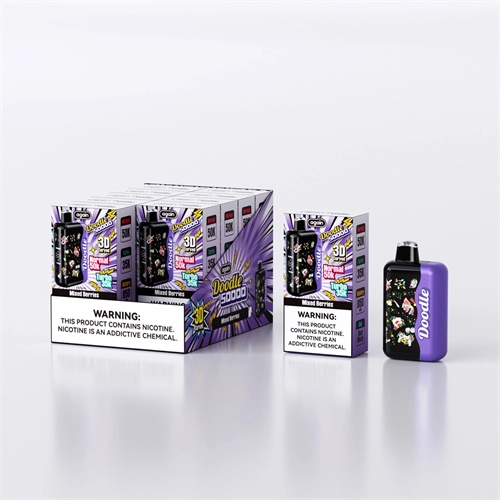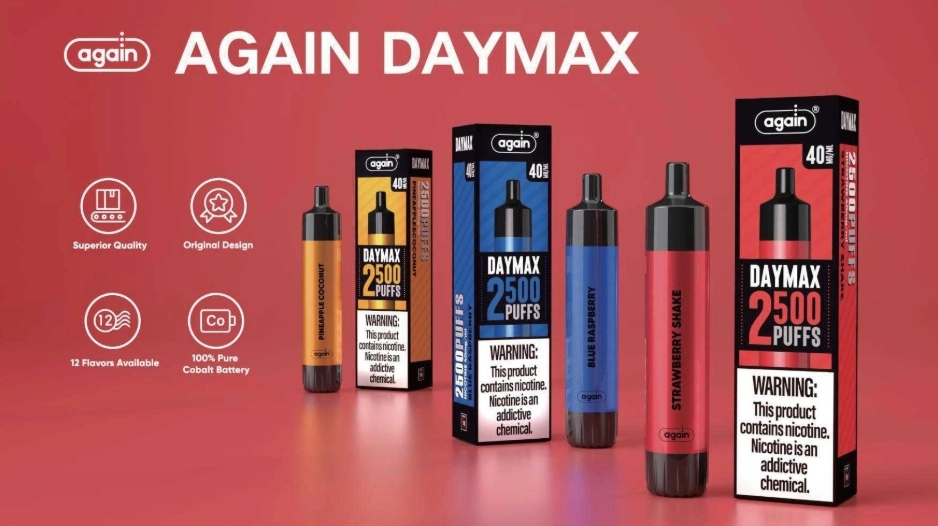
The SIRIM certification from the Standards and Industrial Research Institute of Malaysia acts as a key element for vaping products coming into the Malaysian market. Officials developed these guidelines to support consumer protection with firm reviews on safety and general quality. Importers need to stick to the complete SIRIM structure if they hope to keep their products suitable for sale in Malaysia starting in 2026 and later.
SIRIM standards address numerous vital aspects. They inspect product design reliability, battery operation standards, and the precise composition of e-liquids. Clear labeling holds significant importance too. Labels must display straightforward information on nicotine levels, complete lists of ingredients, and full details about the manufacturer. Those importers who begin their preparations ahead of time for the 2026 changes can steer clear of pricey denials and annoying holdups at borders.
Specific Testing and Certification Processes
Vape devices bound for Malaysia undergo detailed assessment before they qualify for SIRIM certification. Specialists run in-depth electrical safety inspections to make certain that batteries and charging setups remain clear of fire or explosion dangers. Meanwhile, experts execute chemical makeup reviews. This process ensures e-liquids hold no forbidden materials, like heavy metals or various risky extras. Emission checks follow afterward. They precisely gauge the vapor generated to confirm that harmful elements remain below permitted public health boundaries.
Numerous producers already possess standard global validations such as CE, RoHS, and FCC. Prominent firms, such as Shenzhen Vapehome Technology Co., Ltd, take additional steps. They collaborate directly with clients to gain further regional approvals. Examples include EU TPD, UK MHRA, South Korea KC, and Malaysia SIRIM credentials. This teamwork aids in simplifying the whole import procedure and cuts down on likely issues for purchasers.
Impact of SIRIM Compliance on Market Access
Vape importers aiming for Malaysia in 2026 will find SIRIM standards utterly necessary. Goods that do not meet the rules might run into import blocks, substantial penalties, or required pullbacks by sellers. In contrast, correctly verified products typically enjoy easier passage through customs. Sellers and buyers often place more faith in them without hesitation.
Importers see obvious benefits from teaming up with producers who have prior approvals in place. These connections frequently result in quicker arrival in the market and smaller regulatory uncertainties. As SIRIM overseers keep ramping up control over electronic nicotine delivery systems (ENDS), proactive planning for rules offers companies a clear upper hand in competition.
How Do South Korean KC Standards Affect Vape Importers?
South Korea runs a required KC (Korea Certification) label for every imported electronic item. Vapes count in this group as electronic gear. The KC approval verifies that essential parts—like batteries, heating parts, and inner wiring—align with the exact technical guidelines set by Korean leaders.
This setup matches plenty of commonly followed global safety ideas. Yet, it adds unique local demands that show South Korea’s solid dedication to guarding consumers. Lacking the KC label, items cannot legally reach the South Korean market or sit on store displays.
Detailed Examination of KC Testing Procedures
KC testing moves forward via multiple precise phases. To start, technicians perform EMC (electromagnetic compatibility) reviews. These tests guarantee the item avoids causing disturbances to other electronics in typical operation. Electrical safety probes happen after that. Workers check insulation durability, power steadiness, and the item’s capacity to handle overheating or abrupt short circuits. Safety checks on materials come later. They examine if item housings or e-liquid holders give off any damaging materials during routine use.
Firms such as Shenzhen Vapehome Technology Co., Ltd keep robust inner quality setups to manage these needs well. Their strategy covers various main actions. They use tough choices for raw materials, adhere to regular production stages, carry out full in-line and end-product checks, run a dependable quality tracking setup, and schedule ongoing third-party reviews. This methodical way assists each production lot in fulfilling KC demands plus wider global rules.
To expand on their quality efforts, Shenzhen Vapehome Technology Co., Ltd ensures that every step in the process receives close attention. For instance, raw material selection involves checking suppliers and testing samples before acceptance. The manufacturing process follows clear guidelines to prevent errors. In-line testing catches issues early, while final checks confirm everything meets specs. The traceability system allows quick identification of any problems if they arise. Regular third-party testing provides external validation, which builds trust with international partners.
Consequences of Non-Compliance with KC Standards
Importers ignoring KC approval commonly deal with major setbacks. Border agents might turn away whole loads immediately. Fines under South Korean trade rules can strike too. Besides, store collaborators often decline uncertified items due to worries about responsibility tied to unchecked electrical gear.
Past these prompt rule-based issues, failing to comply can hurt brand standing in one of Asia’s pickiest buyer environments. Given these factors, linking with providers who grasp and satisfy KC standards right from the outset proves quite crucial for ongoing achievement.
How Can Vape Importers Ensure Compliance with Both SIRIM and KC Standards?
Fulfilling both Malaysia’s SIRIM and South Korea’s KC guidelines together calls for solid organization and tight collaboration among importers and producers. The best tactic generally means picking providers with proven know-how in various markets and approvals.
Importers ought to reach out to nearby rule specialists who keep up with shifting policies in both places. Maintaining organized and thorough records all along the supply path prevents oversights. Frequent reviews of producer allies offer further certainty that all guidelines get due focus prior to goods departing the site.
Shenzhen Vapehome Technology Co., Ltd keeps growing its product offerings with new and creative tools. Teaming with suppliers focused on progress lets importers update their designs while still meeting changing technical guidelines as 2026 approaches. This partnership not only covers current needs but also prepares for future adjustments in regulations.
Role of Third-Party Testing Labs
Separate third-party testing centers fulfill a critical part in backing up compliance statements under both rule sets. These sites execute neutral assessments of electrical operation measures and chemical output factors. Their efforts stick to established ISO/IEC evaluation approaches.
By choosing centers endorsed by both Malaysia and South Korea’s officials, importers can frequently merge their testing work. Such a method aids in managing expenses and boosts the odds that findings gain broad recognition beyond borders. Shenzhen Vapehome Technology Co., Ltd builds regular third-party testing into its routine quality control framework. This ongoing habit boosts importer trust when they chase approvals for several nations at once. It also ensures that products consistently pass scrutiny from different angles.
Why Choose Shenzhen Vapehome Technology Co., Ltd as Your Reliable Vape Supplier?
Shenzhen Vapehome Technology Co., Ltd started in 2013. The firm centers on vape items, showing special skill in the research, development, production, and distribution of disposable vapes. Through the years, it has gained praise for solid engineering skills and careful regard for rule matters—two elements that count heavily when tackling strict approval systems like SIRIM and KC.
The firm provides adaptable OEM/ODM options. These let worldwide allies build custom-label goods that totally match local guidelines while safeguarding privacy via official pacts. OEM stays among their primary tasks. They now assist scores of brands globally with tailored setups.
Vapehome applies a full quality control method from start to finish. This covers precise raw material picks, steady production methods, detailed in-line and closing examinations, and total tracking for each piece. Their current global approvals—CE, RoHS, and FCC—pair nicely with nation-focused ones like Malaysia SIRIM and South Korea KC.
Furthermore, the firm stresses product uniqueness strongly. Every original creation holds filed appearance patents and utility model patents. This dedication aids customers in shining amid busy markets while upholding firm technical and safety guidelines. Clients appreciate this because it reduces the risk of copies and strengthens their position in sales.
Conclusion
Come 2026, vape importers eyeing Malaysia and South Korea must tackle ever more intricate technical structures. In Malaysia, officials depend on SIRIM standards. In South Korea, they apply KC rules. Strong ties with skilled and approved producers like Shenzhen Vapehome Technology Co., Ltd can sharply cut rule risks. Meanwhile, it aids in hastening market arrival via tried-and-true testing steps and broadly accepted approvals. Overall, such alliances pave the way for smoother operations and better outcomes in these key regions.
FAQs
What are the main differences between SIRIM and KC standards?
SIRIM gives special care to product safety points unique to Malaysia, such as precise labeling needs. By contrast, KC stresses electrical safety functions and sticks more to South Korea’s country-wide EMC rules.
How long does it take to obtain SIRIM or KC certification?
The duration for gaining certification varies considerably. Typically, it spans from a few weeks to several months. Things like item intricacy and lab wait times often shape the precise length. Importers should plan accordingly to avoid surprises.
Can non-compliant products be rectified after importation?
Sometimes, extra re-checks or targeted changes could address specific flaws even after items arrive. Still, this path often leads to added costs and notable handling delays. Thus, importers gearing up for 2026 rules should confirm total compliance ahead of dispatch wherever feasible. Preemptive action saves time and money in the long run.