If you’ve spent any time around disposable vapes—selling them, reviewing them, or just using them—you already know how much confusion surrounds nicotine levels. Someone picks up a device marked “2%,” another sees “5%,” and before long you’re having a five-minute conversation just trying to explain what the numbers mean.
And with disposables getting bigger and lasting longer, these questions come up even more. Some customers assume a large device hits harder simply because it holds more liquid. Others believe a 5% vape is several times stronger than a 2%. Retailers hear these questions every single day.
So instead of jumping through complicated chemistry, here’s a grounded explanation of how nicotine levels in disposable vapes really work—nothing fancy, just the facts that matter.
What Those Nicotine Numbers Mean (Without Overthinking It)
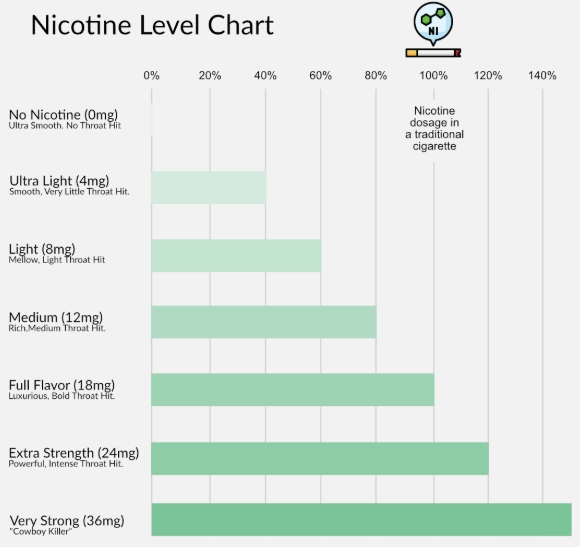
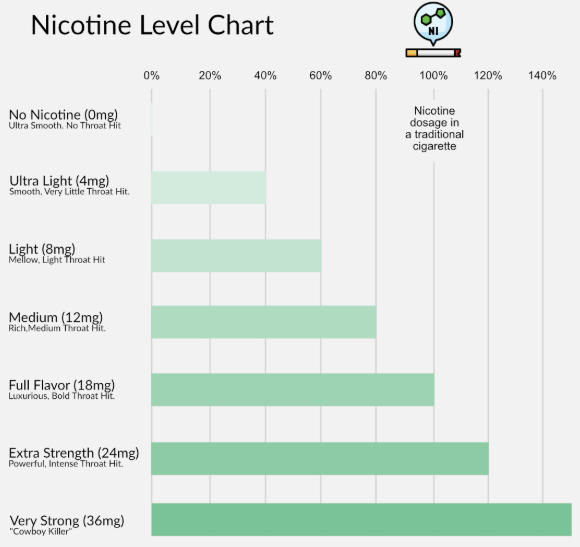
Disposable vapes list nicotine in either percent (%) or milligrams per milliliter (mg/ml).
And here’s the part that throws people off:
- 2% = 20 mg/ml
- 5% = 50 mg/ml
It’s simply two ways of saying the same thing.
2% does not mean “2% of the whole device.” It doesn’t mean “mild.” And 5% doesn’t mean “half nicotine.” It’s just a common way manufacturers label salt nicotine concentrations.
Once you explain it like that, most customers get it immediately.
Why Different Markets Use Different Nicotine Strengths
Nicotine levels aren’t chosen at random. Regulations decide most of it.
- Europe & UK: 20 mg/ml max
- US / Middle East / South America: 30–50 mg/ml fairly common
- Southeast Asia: varies wildly depending on the region
Manufacturers who ship globally—like Shenzhen Vapehome Technology CO.,Ltd—have to build separate formulations for each region. Their team handles TPD, UK MHRA, FCC, CE and all the other paperwork most people never see, ensuring each product ends up with the right nicotine level for the target market.
Why a 2% Disposable Sometimes Feels Stronger Than a 5% One
This is where experience matters more than math.
Nicotine percentage alone does not determine the “feel” of a vape. The following play a huge role:
- mesh coil efficiency
- airflow tightness
- wattage
- e-liquid recipe
- vapor temperature
With today’s mesh coils, a 2% disposable can produce surprisingly full vapor. That’s why some customers take a puff and say, “This hits harder than my old 5% pod.” They aren’t wrong—modern atomization tech is just more efficient.
Vapehome’s engineers spend a lot of time balancing coil design with the e-liquid formula so that the nicotine delivery feels smooth rather than overwhelming. This is part of their R&D philosophy and a big reason their devices taste consistent across batches.
How Much Nicotine Is Inside a Full Disposable?
People often think a big disposable must contain “a ton of nicotine.”
Not necessarily.
The formula is simple:
Nicotine Content = Strength × Liquid Volume
Examples:
- 5 ml × 20 mg → 100 mg total
- 10 ml × 30 mg → 300 mg total
- 12 ml × 50 mg → 600 mg total
- 20 ml × 30 mg → 600 mg total
A large disposable doesn’t always deliver a stronger hit—it simply lasts longer because it has more liquid.
Retailers who understand this usually find it easier to guide adult customers toward something that matches their comfort level.
Why Manufacturers Choose the Strengths They Do
Behind every nicotine number is a mix of:
- what local regulations allow
- how long the device is supposed to last
- how powerful the coil is
- what type of flavor it uses
- who the intended user group is
This is why manufacturers don’t simply “increase nicotine” to make a device feel strong. Balance matters more. Shenzhen Vapehome Technology CO.,Ltd builds their devices around this idea—coil, airflow, power and e-liquid are developed as a system, not separate parts.
How Nicotine Accuracy Is Tested on the Production Side
Good manufacturers test nicotine levels multiple times before anything leaves the factory floor.
This usually includes:
- raw material checks
- in-production sampling
- final-stage testing
- outside lab verification
- traceable batch IDs
Vapehome follows this style of quality control. It’s part of why distributors prefer working with them—they get consistent nicotine levels and fewer complaints.
A Few Words About Shenzhen Vapehome Technology CO.,Ltd
The company started back in 2013 and has grown into a manufacturer specializing in disposable vapes, pod systems and OEM/ODM projects. They run their own R&D lab, testing rooms and workshops, with engineers handling both coil design and e-liquid formulation.
Their footprint covers more than 20 countries, and several of their devices have sold past the 10-million-unit mark. What distributors and brand owners tend to appreciate most is their privacy commitment (NDA OEM projects) and the stability of their batches—no flavor drifting, no coil inconsistencies, no “surprise changes” that some factories occasionally have.
Conclusion
Nicotine content in disposable vapes feels complicated only until you look at it from the right angle. Once you understand that percentages are just another way of expressing mg/ml—and that coil design, airflow and device power affect the sensation as much as nicotine itself—the whole topic becomes far simpler.
For retailers, explaining these details helps customers make more confident decisions. For adult users, understanding nicotine levels helps them choose something that fits their habits without guessing.
And with manufacturers like Shenzhen Vapehome Technology CO.,Ltd continuing to build smoother-delivering coils and more stable e-liquid formulas, the nicotine experience in disposables is becoming more predictable and user-friendly than ever.
FAQs About Nicotine in Disposable Vapes
What nicotine levels do disposable vapes usually come in?
Most disposables fall between 20 mg and 50 mg per ml, depending on the country they’re sold in. Lower strengths are common in places with restrictions, while other regions allow higher levels.
Does a higher percentage always mean a stronger hit?
No. Mesh coils, airflow design and watt output shape the sensation as much as the nicotine itself. A well-designed 2% device can feel surprisingly full.
How can I calculate the total nicotine in a device?
Multiply the nicotine strength by the liquid amount.
Example: 10 ml × 20 mg/ml = 200 mg total nicotine.
Why do some countries limit nicotine to 20 mg/ml?
This comes from regional regulations intended to standardize product safety. Markets outside Europe often allow stronger strengths.
How can I know if a device’s nicotine labeling is reliable?
Look for manufacturers that test their products throughout the production process. Vapehome uses batch tracking and third-party testing, which helps keep their nicotine numbers accurate.