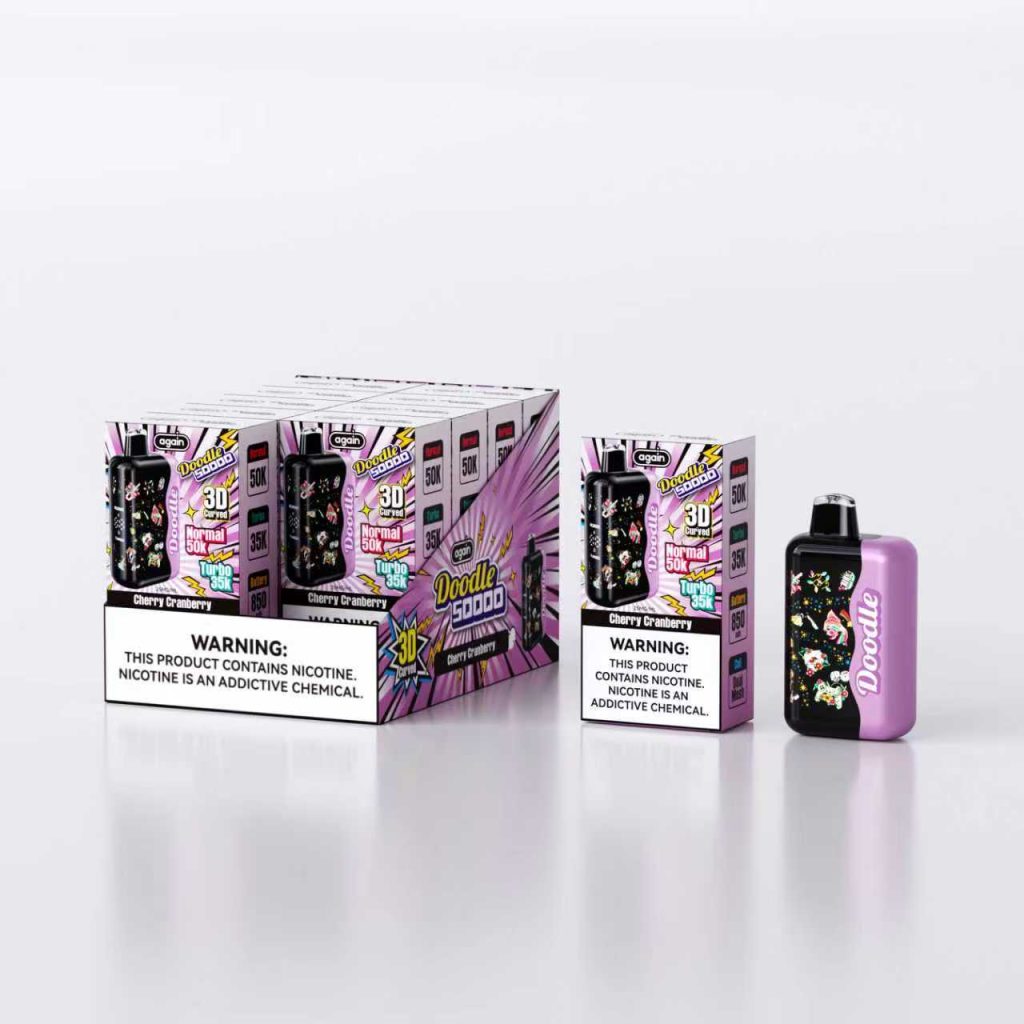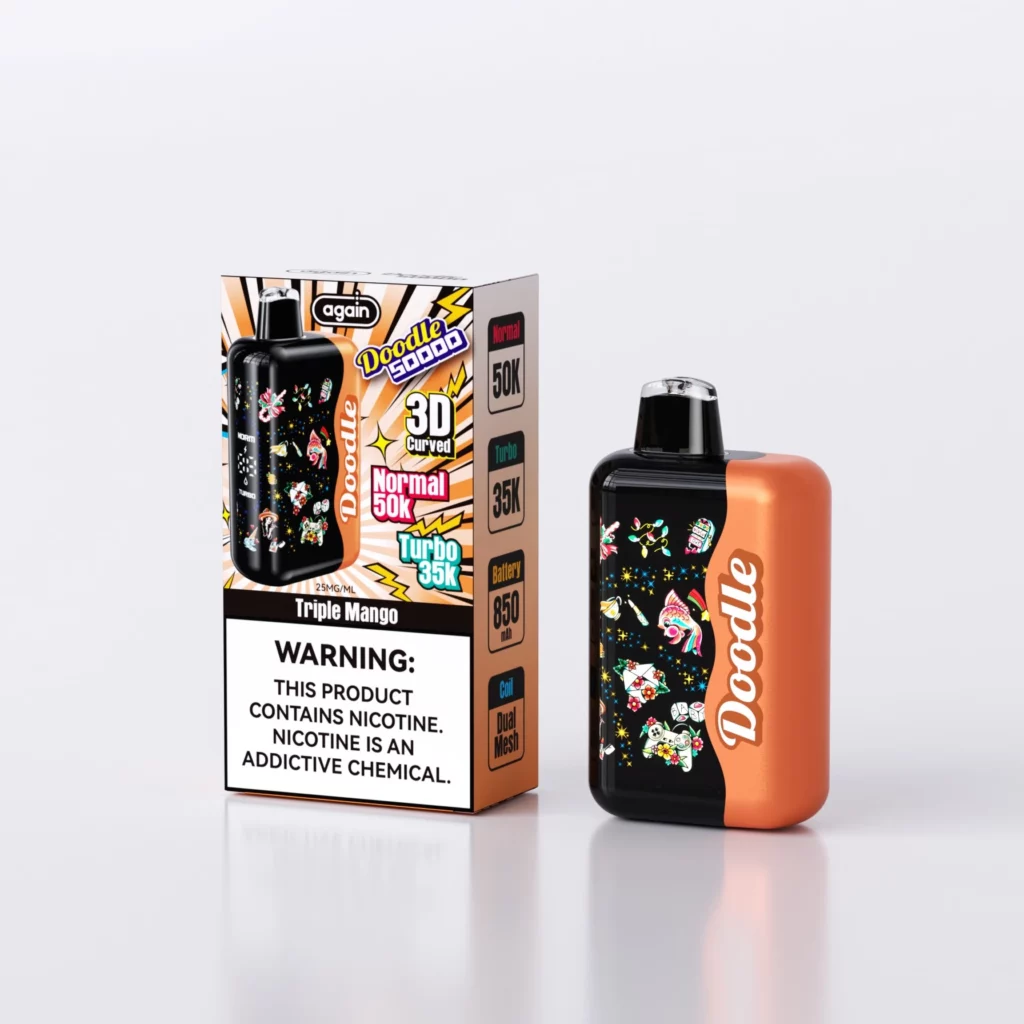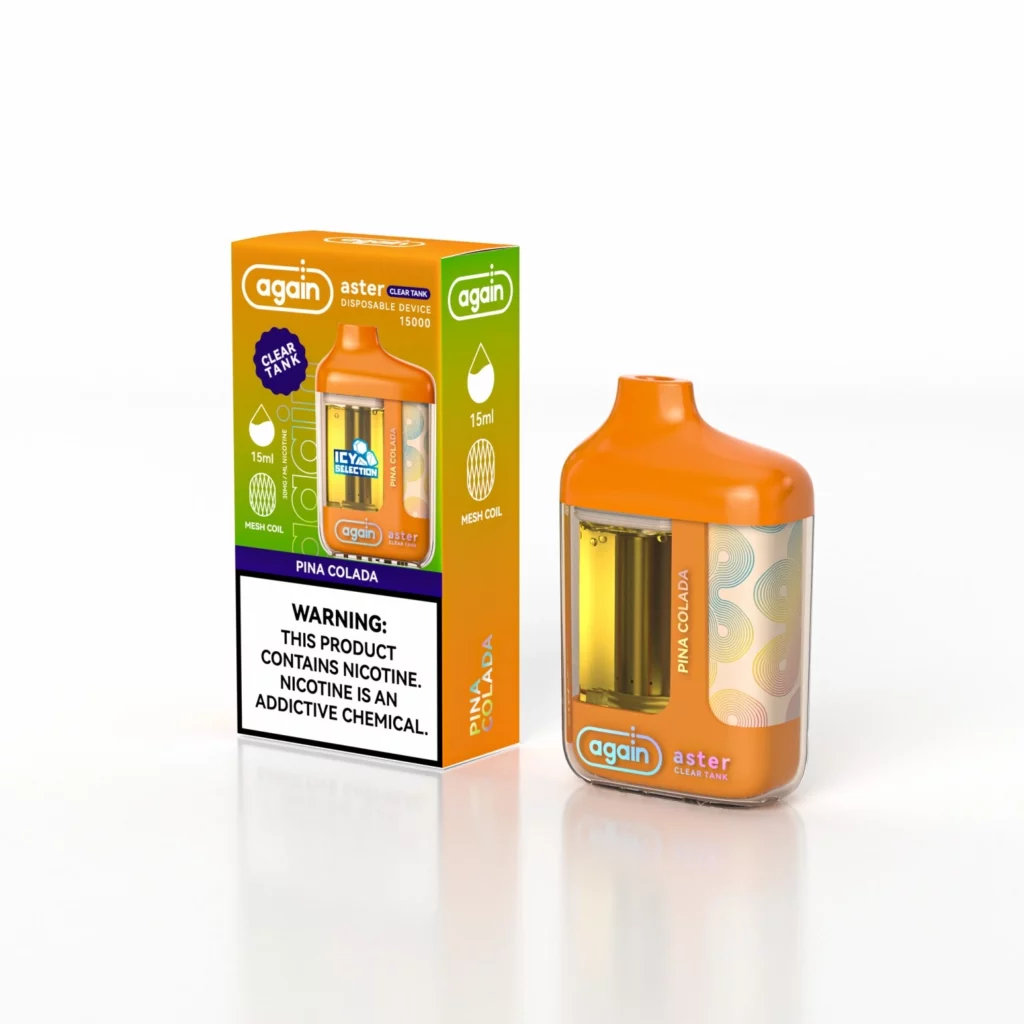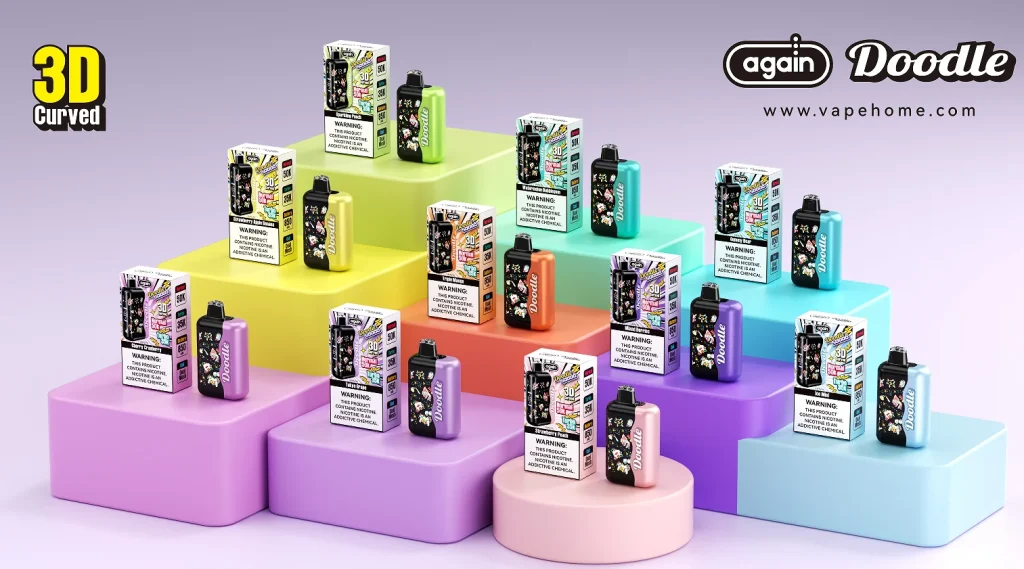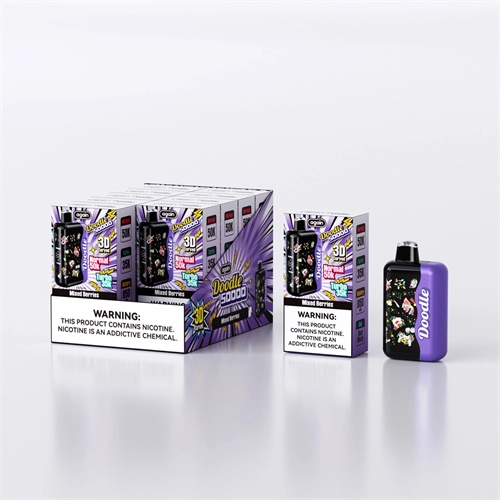
The EU disposable vape sector in 2026 remains anchored by TPD restrictions, where the 2ml reservoir cap and 20mg/ml nicotine ceiling persistently guide product engineering and user expectations. MTL vs DTL disposable vapes represent the central divide in inhalation approaches, MTL preserving leadership in broad-market volume while DTL steadily increases presence in longer-duration and flavor-driven categories. Distributors working EU territories see the selection between MTL vs DTL disposable vapes influencing turnover rates, unit-level profitability, and exposure to compliance scrutiny. The following sections break down the practical contrasts observed at wholesale level, pinpoint the main considerations driving EU market decisions, and outline a straightforward sourcing sequence for TPD-compliant devices that align with existing demand trends.
2026 EU Disposable Vape Market Trends: MTL vs DTL Landscape
TPD maintains its foundational constraints throughout the union, channeling manufacturers toward compact, power-efficient constructions that deliver nicotine performance within prescribed limits. MTL disposable vapes retain the primary position because constricted airflow paired with permitted higher-nicotine formulations supplies the immediate satisfaction that ex-smokers and entry users continue to require. Movement records from Germany, France, Italy, Spain, and the UK demonstrate MTL products circulating steadily through convenience, tobacco, and pharmacy networks, where subtle usage patterns and dependable throat sensation support consistent reordering.
DTL disposable vapes, constructed with expanded airflow pathways, substantial mesh coils, and enlarged battery reserves, claim a rising portion of upscale and enthusiast segments. Adjustable airflow models capable of moving from MTL through RDL into full DTL provide distributors a unified offering that accommodates varied preferences while adhering strictly to TPD guidelines. Extended-puff DTL and RDL formats (regularly surpassing 10,000 puffs) show increased visibility in specialized vape stores and digital channels, propelled by requirements for richer flavor layering and noticeable vapor volume. Distributors assigning 60-70% of stock to MTL for reliable baseline flow and 30-40% to DTL or adjustable options commonly secure more even results amid continued flavor constraints and pressure from unauthorized imports.
MTL vs DTL: Head-to-Head Comparison for EU Distributors
Contrasts between MTL and DTL disposable vapes extend considerably past draw mechanics, affecting production expenses, user loyalty, return occurrences, and wholesale financials under prevailing TPD conditions.
MTL disposable vapes operate on narrow airflow channels and reduced mouthpieces to imitate standard cigarette inhalation, retaining vapor in the mouth prior to lung transfer. This setup integrates readily with elevated nicotine salt concentrations for evident throat impact and swift satisfaction, matching users whose priority lies in nicotine absorption over aerosol quantity. DTL disposable vapes employ open airflow structures and sizable coil systems for direct lung intake, yielding abundant vapor clouds, intricate flavor progression, and softened throat response—generally paired with reduced nicotine levels for extended vaping periods.
Wholesale-critical factors divide as follows:
- Nicotine Transfer & Satisfaction — MTL handles 10-20mg/ml strengths efficiently within TPD boundaries, providing rapid nicotine delivery. DTL functions mostly in the 5-10mg/ml band, producing gentler effects suited to vapor-centric users but restricting maximum nicotine intensity.
- Vapor Quantity & Flavor Development — DTL creates substantially greater vapor volumes and more detailed flavor expression via increased airflow and coil area. MTL focuses flavor delivery with almost no visible cloud, corresponding to discreet consumption preferences common in several EU regions.
- Physical Size & Battery Duration — MTL designs stay slender and energy-conserving. DTL configurations demand larger capacities to uphold output stability, increasing manufacturing costs yet allowing higher retail placement.
- Movement Speed & Return Incidence — MTL demonstrates swift circulation in general retail settings owing to broad compatibility and infrequent draw complaints. DTL shows improved velocity in targeted channels but presents modestly higher return likelihood when airflow uniformity fluctuates.
- Margin Architecture — MTL items wholesale in the €2.50-€4.00 interval with robust volume capability. DTL and adjustable MTL/DTL variants generally range €4.00-€6.00+, expanding gross margins when positioned at premium tiers.
MTL furnishes essential steadiness across EU regions, while DTL delivers notable margin contribution in specific segments.
Which to Choose: Decision Guide for EU Distributors
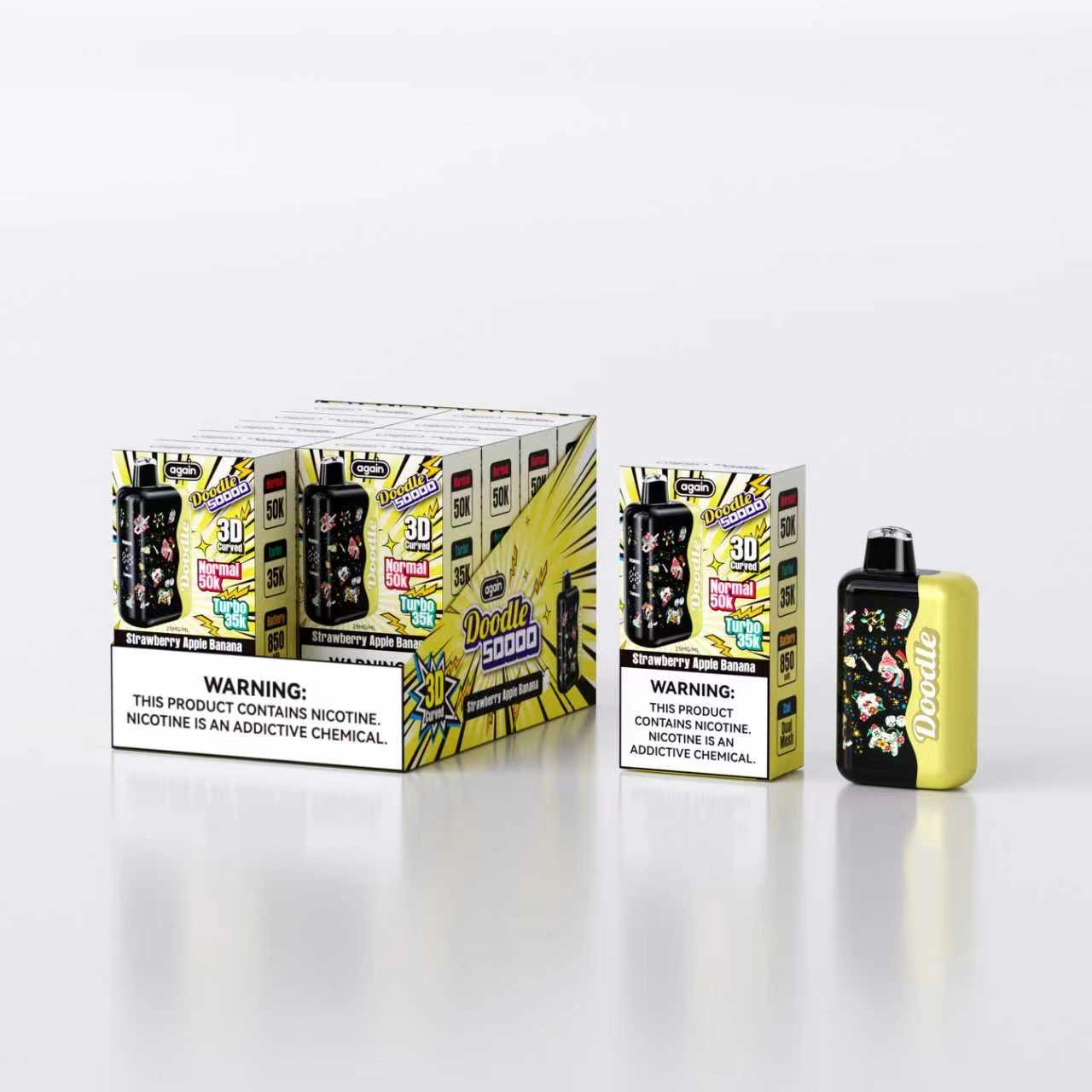
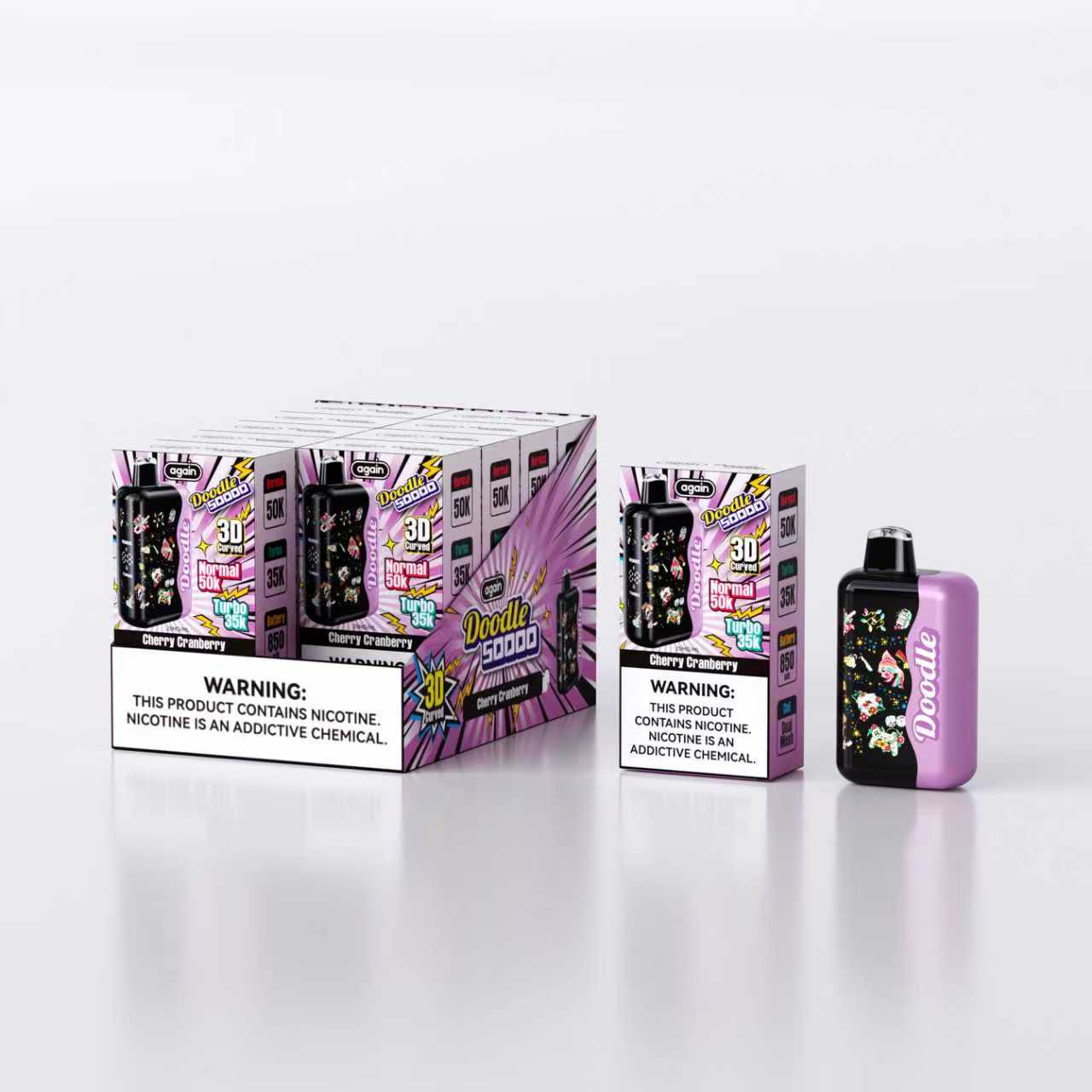
Stocking choices depend on the makeup of the customer portfolio, country-specific usage patterns, and regulatory framework in force.
Convenience networks, service stations, and beginner-focused retail points across most EU countries persist in preferring MTL disposable vapes. These devices need negligible point-of-sale clarification, maintain exceptionally low return rates, and address the nicotine-oriented expectations central to TPD harm-reduction aims.
Dedicated vape shops, online marketplaces, and areas with mature vaping cultures (particularly the UK, Netherlands, and select Spanish markets) gain more from DTL or adjustable MTL/DTL constructions. Advanced users pursue intensified vapor generation and flavor nuance, supporting elevated pricing and promoting repeat transactions.
A mixed inventory model yields the most dependable outcomes: 60-70% directed toward MTL for steady velocity, augmented by 30-40% in DTL/RDL or adjustable formats to capture upscale demand. Adjustable airflow disposable vapes permitting smooth MTL-to-DTL transitions decrease SKU complexity while fulfilling varied needs within TPD limits.
2026 MTL vs DTL Disposable Vapes Sourcing Guide – Step-by-Step Action Plan for EU Distributors
Acquiring TPD-compliant MTL or DTL disposable vapes requires a systematic progression to uphold quality benchmarks, restrain expenditure, and synchronize with observed EU demand.
Initiate with demand confirmation. Retrieve transaction data from active EU accounts or consult leading retailers for directional signals—mentions of “distinct throat sensation” or “smoking-like draw” indicate MTL inclination, whereas “increased vapor” or “smoother experience” direct focus to DTL/RDL.
Locate qualified producers. Prioritize operations with verified TPD notification records, CE approval, and established expertise in MTL (reliable wicking, sealed construction) and DTL (durable mesh coils, containment integrity) development. Obtain samples confirming airflow steadiness and puff-count precision.
Carry out real-world evaluation. Distribute modest trial lots (usually 10-50 units) to trusted retail contacts and collect input on draw reliability, leakage resistance during shipment and storage, and component longevity through rated cycles. Validate compliance with nicotine declarations, warning requirements, and emission criteria.
Utilize evaluation outcomes for procurement. Obtain favorable minimum quantities, scaled pricing structures, and customization routes such as labeling and airflow variability. Arrange payment and delivery schedules to correspond with cash-flow needs.
Confirm full TPD alignment. Re-verify notification submissions, ingredient listings, child-protection measures, and packaging standards. Optimize EU entry logistics to minimize duties and transit periods.
Introduce and monitor outcomes. Equip retailers with brief feature overviews—MTL for nicotine priority, DTL for flavor and vapor emphasis. Observe initial sell-through during 60-90 days and adjust follow-on orders per measured velocity.
For TPD-compliant customizable disposable vapes supporting MTL, DTL, or adjustable MTL/DTL setups, visit our product page.
Common Risks & How to Avoid Them in the EU Market
MTL ranges risk margin erosion in higher-end channels; counterbalance this by integrating DTL variants for wider appeal. DTL configurations present increased return exposure from airflow inconsistencies or greater attention to aerosol production—choose producers that reinforce coil structures and execute prolonged performance validation.
Buildup of either category locks working capital; prevent through restrained starting commitments and reorder points tied to sell-through indicators. Foreseeable regulatory modifications, such as extended flavor prohibitions, can reshape demand trajectories—sustain active observation through EU trade bodies and manufacturer notifications.
Shenzhen Vapehome Technology CO.,Ltd
Shenzhen Vapehome Technology CO.,Ltd, founded in 2013, concentrates on research, development, manufacturing, and worldwide supply of electronic cigarettes, emphasizing disposable vapes. Operating under the Againvape brand, the company employs current production methods and rigorous quality controls to generate dependable, high-performance devices. Full OEM and ODM services enable partners to adapt designs, flavor profiles, puff capacities, and inhalation characteristics—including MTL, DTL, and adjustable MTL/DTL mechanisms—to meet exact EU TPD criteria. Established regulatory conformance (CE, RoHS, FCC), efficient manufacturing timelines, and specialized support for brand creation and large-scale purchasing position Shenzhen Vapehome as a dependable collaborator for EU distributors.
Conclusion
MTL vs DTL disposable vapes in 2026 constitute fundamental procurement considerations for EU distributors constrained by TPD oversight. MTL guarantees reliable volume and extensive acceptance, while DTL and adjustable options facilitate margin expansion and market distinction. Enduring performance relies on precise demand assessment, stringent TPD-compliant sourcing, and controlled inventory discipline. Distributors applying a methodical process can reinforce positioning and financial results within this highly regulated domain.
FAQs
MTL or DTL disposable vapes: which aligns better with beginners in 2026 EU markets?
MTL disposable vapes usually correspond more closely with beginners via restricted draws, noticeable throat sensation, and compatibility with higher nicotine levels akin to traditional smoking. DTL addresses advanced users seeking clouds and smoother inhales, yet MTL reduces the adjustment period throughout EU areas.
Do most TPD-compliant disposable vapes in the EU favor MTL or DTL in 2026?
Most TPD-compliant disposable vapes emphasize MTL or RDL arrangements to maximize nicotine transfer under the 20mg/ml restriction. DTL configurations appear in reduced-nicotine, high-puff variants, but MTL holds the principal share in conventional retail for consistency and satisfaction.
Which draw style generates stronger profit margins for EU distributors in 2026?
DTL and adjustable MTL/DTL disposable vapes typically yield larger per-unit margins from premium retail positioning and advanced components. MTL ensures volume reliability; combining both approaches generally optimizes overall profitability while managing TPD-linked risks.
How does TPD direct MTL vs DTL decisions for disposable vapes in 2026?
TPD confines reservoirs to 2ml and nicotine to 20mg/ml, rendering MTL more effective for meaningful nicotine delivery without excessive vapor. DTL functions in lower-nicotine formats but requires meticulous design to fulfill emission, labeling, and safety mandates—manufacturers experienced in TPD registration address these requirements reliably.
Is OEM manufacturing available for adjustable MTL/DTL disposable vapes aimed at the EU?
Yes, OEM-equipped manufacturers can produce adjustable airflow disposable vapes that transition between MTL and DTL profiles. Provide detailed specifications for puff count, battery capacity, nicotine strength, and TPD compliance; initiate with prototype verification before advancing to production scale.