The vape industry has seen steady growth over recent years, with disposable devices taking a significant portion of the market. Brands and distributors work under constant pressure to supply products that perform consistently and meet regulatory requirements. Issues like leaks, battery problems, or uneven flavors result in returns, customer dissatisfaction, and possible regulatory attention. Quality control in vape manufacturing serves to manage these risks through structured inspections at various stages. Facilities that maintain rigorous procedures lower defect rates and contribute to product reliability. Knowledge of these practices helps buyers assess manufacturing partners effectively.
Common Defects in Vape Products and Their Causes
Disposable vapes face several recurring challenges that influence user experience. Leaks appear frequently among reported issues. Liquid escaping from the mouthpiece or base creates inconvenience and can affect packaging integrity. Typical sources include overfilling in production, insufficient sealing strength, or pressure variations during storage and transport. Differences in silicone properties or filling conditions can lead to this in specific batches. In higher humidity settings, internal condensation adds to the difficulty.
Battery concerns rank high as well. Devices that fail to activate, cease operation early, or generate excessive heat often stem from cells without sufficient protection circuits or variable electrical joints. Short circuits or overheating, although uncommon in controlled settings, draw considerable regulatory and consumer focus. Puff counts below expectations generally connect to coil resistance differences or irregular wick saturation, creating noticeable variation within the same lot.
Flavor variation impacts brand consistency. Batches that differ in taste or diminish in intensity arise from mixing inconsistencies, component separation, or unsuitable storage. Nicotine level shifts present compliance difficulties in areas with precise labeling rules. Temperature changes in transit can speed flavor alteration in certain formulations.
These challenges emerge at different points in vape manufacturing. Regular monitoring across production identifies and resolves them prior to market release. Recording defect trends over periods enables facilities to target underlying factors, such as supplier variation or process drift.
Incoming Material Inspections
Quality control commences with incoming materials. Batteries receive evaluation for capacity, voltage performance, and safety elements. Discharge behavior is assessed under load, and protection mechanisms are confirmed for overcharge and short-circuit conditions. Occasional substandard cells appear when suppliers alter quality levels, making multi-lot sampling routine.
Coils undergo resistance assessment on samples to verify specification adherence. Deviations produce uneven heating or lower vapor output. Wicks, commonly organic cotton, are reviewed for purity and absorption properties to avoid dry hits or flooding from initial use.
Plastic elements and silicone seals pass dimensional review and material validation. Food-grade certification applies to user-contact parts. E-liquid components arrive with analytical documentation confirming purity, nicotine precision, and lack of contaminants.
Comprehensive incoming inspections in vape manufacturing block faulty materials from advancing. Maintained vendor approval lists and ongoing sampling promote batch stability. Incoming rejection figures indicate supply chain dependability.
Process Controls During Assembly and Filling
Assembly lines demand ongoing oversight. Housings progress along conveyors, with coils and wicks placed by automated equipment or operators. Alignment confirmation avoids flooding or dry hits from the outset. Slight fixture wear or part dimension changes can cause misalignment.
Filling constitutes a vital phase where leaks frequently begin in disposable vape production. Accurate dosing equipment supplies measured volumes. Temperature affects liquid flow characteristics, requiring adjustments for environmental or batch factors. Overfilling places stress on seals, while underfilling shortens puff duration and creates air voids that enlarge in transit.
Sealing takes place directly after filling, employing ultrasonic welding or plug fitting. Samples receive strength evaluation. Bubble identification notes trapped air likely to expand later. Activation parts, comprising draw sensors or buttons, obtain functional confirmation inline. Preliminary power assessment verifies operation before complete closure.
Station data recording supports immediate tracking. Rises in defect levels, such as leaks during filling, trigger review of elements like pump settings or material traits. Reliable process controls in vape manufacturing decrease waste and rework while preserving output rates.
Final Testing and Compliance Verification
Finished devices draw batch samples for thorough assessment. Automated puff equipment replicates user patterns, tallying draws to depletion and capturing performance data. This method discloses actual puff counts in disposable vape production, detecting concerns that brief evaluations overlook.
Leak evaluation applies vacuum or pressure sequences to imitate conditions like air freight or temperature shifts. Battery safety measures incorporate simulated stress scenarios such as short circuits or overcharge to validate protection response.
Flavor review engages sensory groups comparing batches to established benchmarks. Analytical tools supply measurable data for nicotine release and profile steadiness. Electrical review confirms sensor reaction and cutoff operations to avoid overheating.
Visual review detects cosmetic flaws that influence perceived standard. Defect levels recorded by station direct process refinements.
Independent laboratories perform compliance evaluation for emissions, heavy metals, and restricted materials. Findings back certification needs for diverse markets. Full records trace batches from raw inputs to completed items, aiding reviews and possible recalls.
Shenzhen Weipu Technology Co., Ltd.’s Approach to Quality Control
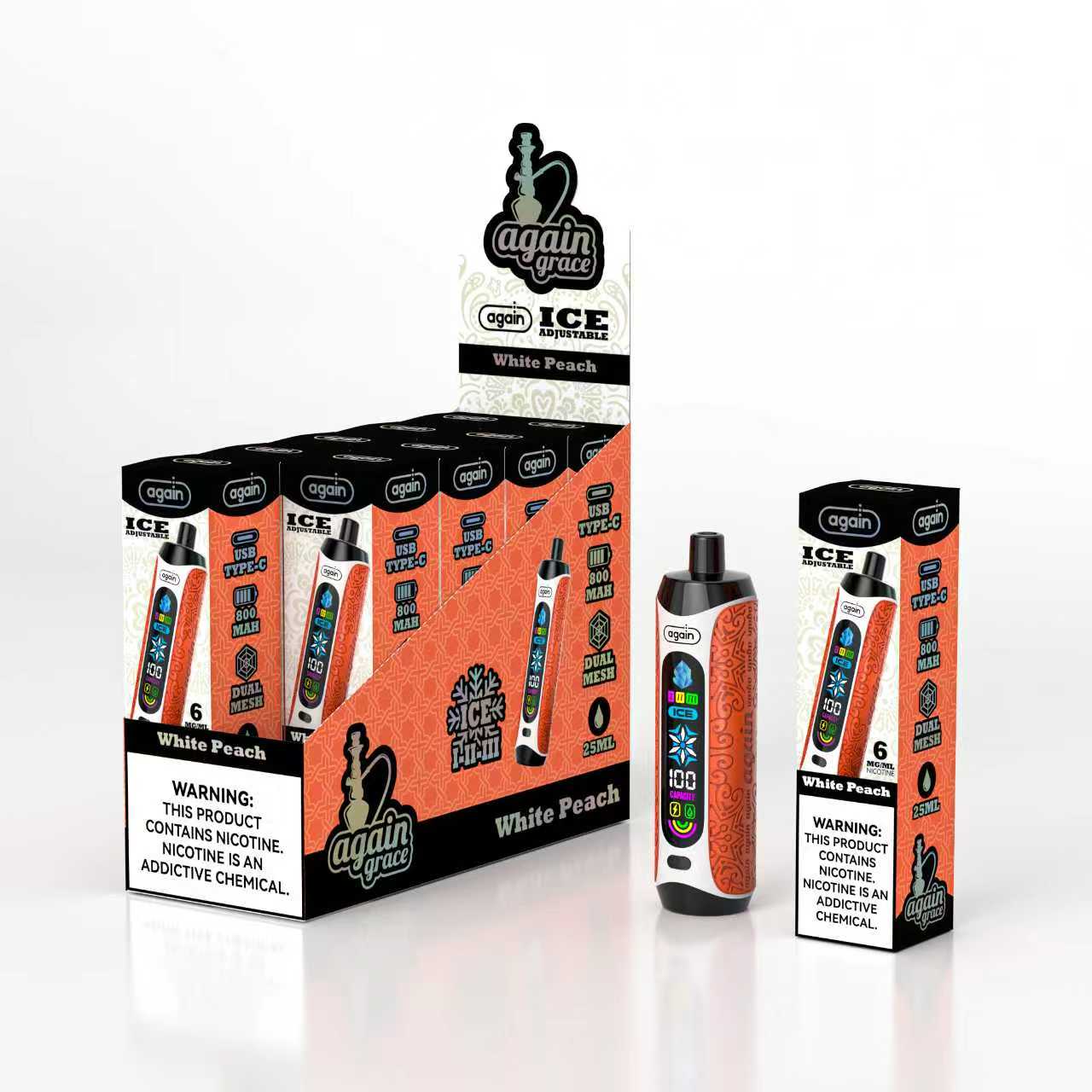
Shenzhen Weipu Technology Co., Ltd. applies a complete quality framework across disposable vape production. Measures encompass incoming materials, ongoing monitoring, and pre-shipment review. The system backs certifications such as CE, RoHS, and area-specific demands.
About Shenzhen Weipu Technology Co., Ltd.
Shenzhen Weipu Technology Co., Ltd. was founded in 2013 with production facilities in Shenzhen. The company concentrates on disposable vapes for global brands. Clean room standards govern e-liquid handling and assembly. Export background covers Europe, North America, and regions with stringent regulatory frameworks.
Conclusion
Quality control in vape manufacturing manages defects via organized checks at every phase. From material review to final evaluation, these measures aid reliable products that satisfy user needs and regulatory criteria. Brands gain from facilities with steady quality approaches.
FAQs – Quality Control in Vape Manufacturing
Q: What causes leaks in vape manufacturing?
A: Leaks in vape manufacturing often result from filling or sealing variations identified through quality control.
Q: How do factories test batteries in vape production?
A: Battery testing in vape manufacturing includes safety simulations as part of quality control procedures.
Q: Why check flavor consistency in vape quality control?
A: Flavor consistency verification in vape manufacturing quality control ensures batches match approved profiles.
Q: What incoming checks happen in vape manufacturing?
A: Incoming inspections in vape manufacturing verify component quality before assembly begins.
Q: How does puff testing work in vape quality control?
A: Puff testing in vape manufacturing quality control simulates usage to confirm performance specifications.