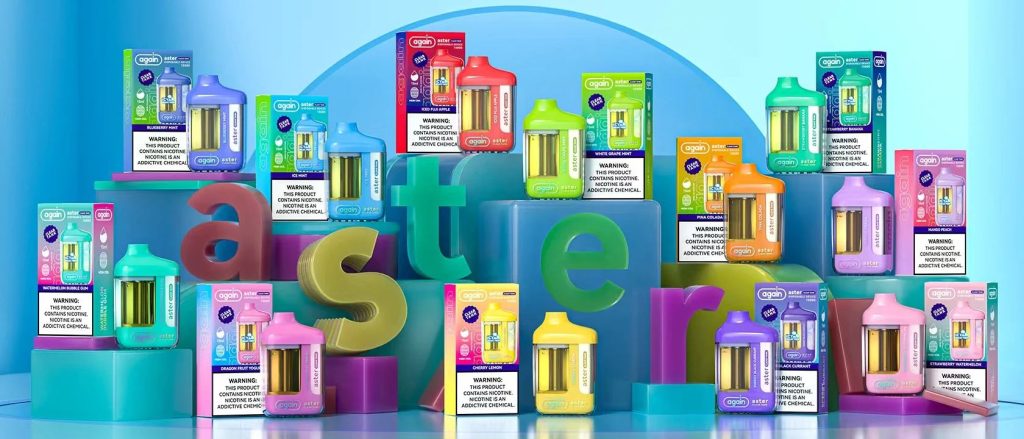
Disposable vape has become one of the most searched and discussed product categories in the global vaping industry over the past few years. At first glance, it looks like a simple format change: a ready-to-use device, no refilling, no charging decisions, no learning curve. But behind that simplicity sits a much more complex commercial story.
This article is not written for end consumers. It looks at disposable vape growth from a product, channel, and supply-side perspective, asking a question that matters far more to B2B buyers, distributors, and brand owners: is this growth a short-term spike driven by convenience and novelty, or a category that can still support long-term planning, stable SKUs, and repeat orders?
The short answer is that disposable vapes are not growing by accident. But the reasons they grow—and the risks behind that growth—are often misunderstood.
What Actually Defines a Disposable Vape in Today’s Market
Core Characteristics That Matter to Buyers
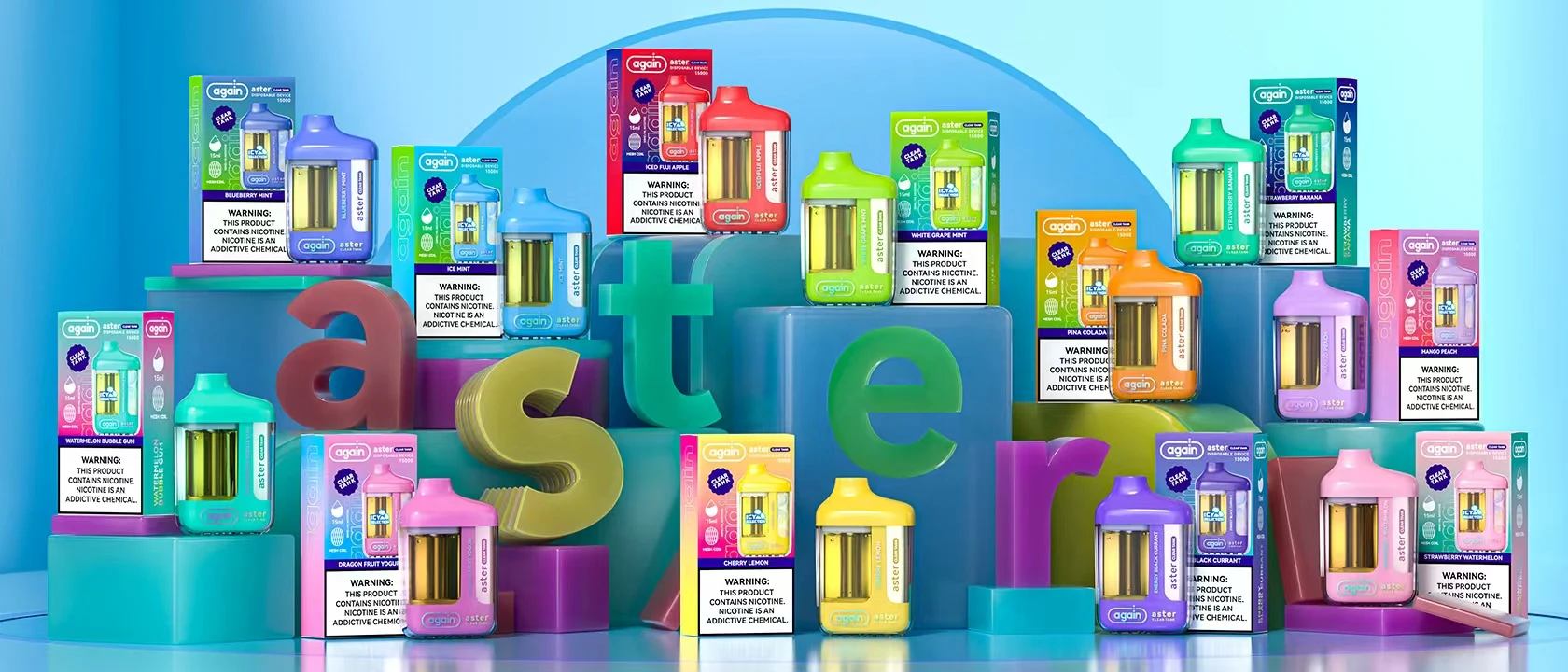
In commercial terms, a disposable vape is defined by three structural traits: a one-time-use device architecture, an integrated battery, and a sealed e-liquid reservoir. These features are usually explained as user conveniences, but for buyers and distributors they shape pricing logic, inventory turnover, and post-sale risk exposure.
Because the device is sealed and not designed for maintenance, the pricing model shifts from lifecycle value to unit value. Buyers are not selling “systems”; they are selling finished consumption. This changes how fast inventory moves and how much capital sits on shelves. A well-positioned disposable SKU can clear faster than refillable systems, not because it is cheaper, but because the buying decision is simpler.
At the same time, disposables significantly reduce after-sales friction. There are no leaking tanks to troubleshoot, no coils to replace, and fewer user errors. That directly lowers return rates and customer service overhead, which is why many wholesalers quietly favor disposables even when margins appear thinner on paper.
Disposable vs Refillable: Why the Trade-Off Favors One-Time Devices
From a B2B standpoint, the comparison between disposable and refillable devices is not about which product is “better,” but which one scales more predictably.
Refillable systems tend to expand SKU counts quickly. Devices, pods, coils, compatible liquids, and nicotine variations all multiply complexity. Training retailers and educating end users becomes part of the cost structure. Returns are often tied to misuse rather than defects, but the distributor still absorbs the burden.
Disposable vapes compress that complexity into a single decision. One SKU equals one experience. That simplicity is why disposables are easier to scale across regions, channels, and retail formats. Their advantage is not superiority, but repeatability.
How Disposable Vape Demand Is Actually Evolving
What Kind of Growth Is This?
The growth of disposable vape demand is not uniform. It comes from three distinct behaviors that are often lumped together.
First, there is replacement demand. Existing pod or mod users move to disposables for convenience, travel, or backup use. This is stable but limited.
Second, there is expansion demand. New adult users enter vaping through disposables because the entry barrier is low. No instructions. No maintenance. This segment has fueled much of the visible volume growth.
Third, there is speculative channel demand. Distributors test disposables to see whether local regulations, retailers, or consumer preferences support them. This demand can inflate short-term numbers but disappears just as quickly if sell-through slows.
Understanding which part of growth applies to a given market is critical. Replacement and expansion signal real consumption. Speculative stocking does not.
Regional Demand Behaves Very Differently
Disposable vape demand looks similar on global charts, but behaves very differently on the ground.
In parts of North America, demand is high-volume but volatile. SKU cycles are short, and retailers expect fast novelty turnover. This favors quick iteration but punishes slow-moving inventory.
Many European markets move more conservatively. Volume grows slower, but SKU lifespans are longer, especially where compliance frameworks are clearer. These regions reward consistency over experimentation.
In parts of Asia, disposables often coexist with traditional systems. Growth is real but fragmented, and distribution networks matter more than headline demand.
For B2B buyers, the question is not where demand is largest, but where demand supports stable planning.
Features and Technologies: What Actually Drives Repeat Orders
Features That Are Now Table Stakes
Certain features no longer differentiate a disposable vape; they simply allow it to compete. Adequate puff count relative to device size, consistent vapor output, stable battery performance, and basic leak resistance are now assumed. Devices lacking these fundamentals struggle regardless of branding or pricing.
For buyers, these features are not selling points. They are risk filters. Without them, reorder conversations rarely happen.
Features That Look Attractive but Fade Fast
Every year brings feature trends that look compelling during launch cycles but fail to sustain reorder momentum. Oversized puff counts that compromise flavor stability, gimmick-heavy designs that complicate logistics, or niche functions that confuse retailers all fall into this category.
Many procurement teams learn this lesson the hard way. Initial sell-in looks strong, but repeat orders stall because the feature did not translate into real usage satisfaction.
Features That Only Make Sense in Specific Markets
Some features perform exceptionally well in narrow contexts. Certain airflow styles, nicotine delivery profiles, or form factors resonate deeply in specific countries or retail environments. They are not mistakes—but they are not universal solutions.
Smart buyers treat these features as targeted tools, not default configurations.
Where the Real Growth Opportunities Sit for B2B Buyers
Growth does not sit in the same place for every buyer.
Different Opportunities for Different Roles
Regional wholesalers often benefit most from stable, compliant SKUs that retailers can reorder without hesitation. New channel entrants may prioritize flexibility and testing speed over long-term depth. Established players with existing customer bases sometimes succeed by migrating those relationships into disposable formats rather than chasing new segments.
Each role demands a different definition of opportunity.
Product Strategy vs Channel Strategy
Some buyers win by going deep on a few SKUs and protecting repeat orders. Others win by moving quickly across a broad range, accepting faster turnover and higher churn. Neither approach is inherently safer. Resilience comes from aligning strategy with regulatory exposure, cash flow tolerance, and operational capacity.
Regulatory and Compliance Pressure That Shapes Sourcing Decisions
Why Compliance Is Now a Commercial Variable
Regulation is no longer a background issue. It directly affects inventory risk. A compliant product protects not only legality, but also liquidity. Unsellable stock freezes capital and disrupts supply planning.
How Regulations Reshape Product Planning
Sudden SKU disappearances are rarely accidents. They are often the result of regulatory shifts that sourcing teams failed to anticipate. Buyers who plan only for current market conditions often find themselves reacting instead of steering.
Supply Chain Reality Behind Disposable Vape Production
Disposable vapes demand tighter supply consistency than many refillable systems. Battery performance, atomization stability, and sealing quality must align perfectly, because there is no second chance after shipment. Many issues never appear in samples; they surface only after scale.
This is why supplier reliability matters more in disposables than in modular products. A weak link affects the entire unit, not a replaceable component.
How Shenzhen Weipu Technology Co., Ltd. Fits into This Landscape
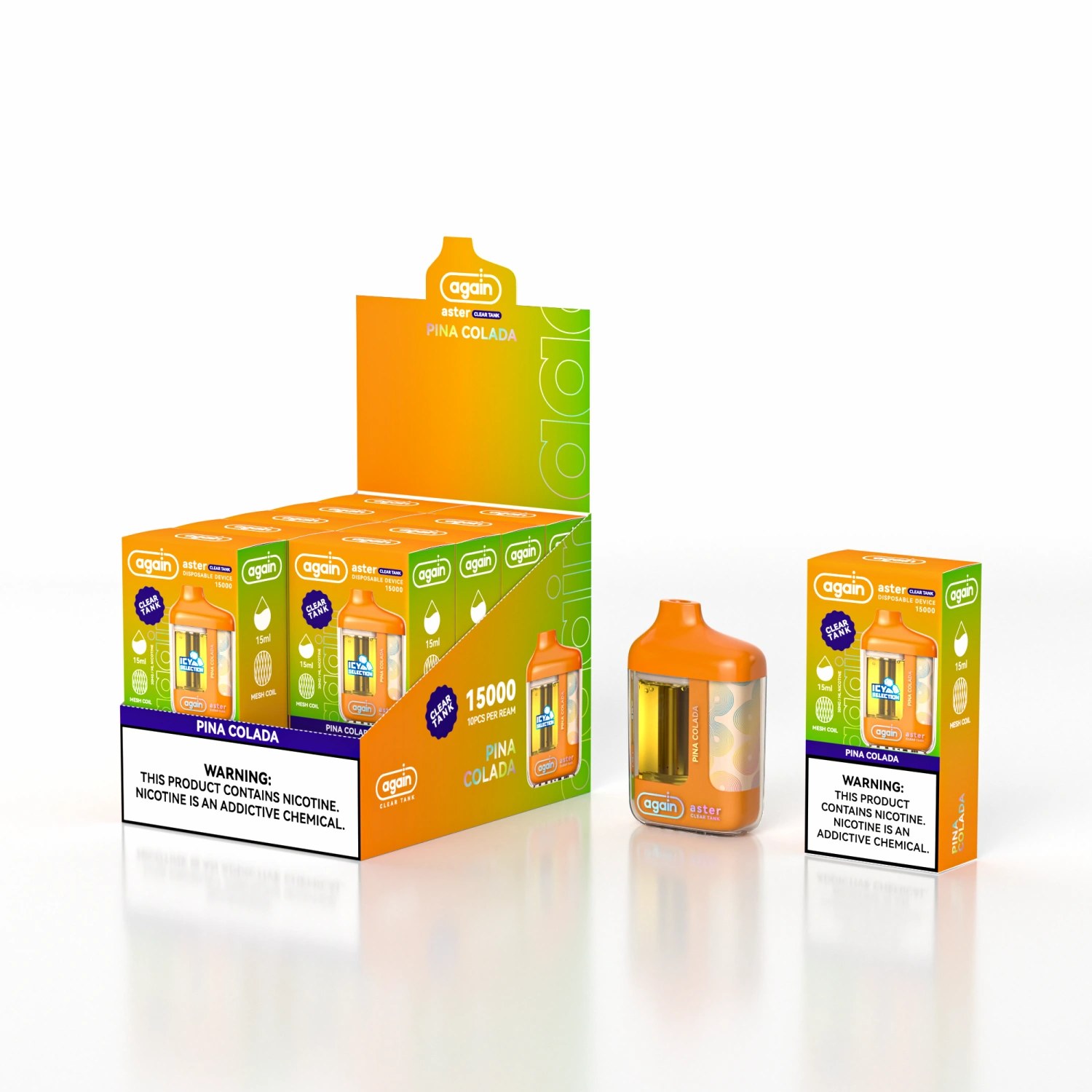
Within this evolving environment, manufacturers that understand both product mechanics and market rhythm tend to stand out. Shenzhen Weipu Technology Co., Ltd. has operated in the disposable vape segment long enough to witness multiple cycles of feature hype, regulatory tightening, and channel restructuring.
Rather than positioning disposable devices as one-off commodities, the company approaches them as repeatable systems shaped by compliance, production stability, and long-term partner needs. Its experience across OEM and branded projects reflects a focus on adapting products to changing market expectations while maintaining consistency at scale, an approach that increasingly defines sustainable supplier relationships.
Conclusion
Disposable vape growth is not accidental, but it is not automatically safe either. The category rewards buyers who understand where they stand in the chain, what kind of demand they are serving, and how regulation and supply realities shape risk.
Success does not come from chasing every new feature or market spike. It comes from clarity: about role, strategy, and timing. Those who treat disposables as a long-term category rather than a short-term shortcut are far more likely to see stable returns.
FAQs
Is disposable vape growth sustainable for wholesalers?
It can be, but only when growth is driven by real consumption rather than speculative stocking. Wholesalers who align SKUs with local compliance and retailer reorder behavior tend to see more stable performance.
Which features matter most when planning long-term disposable vape SKUs?
Consistency-related features matter most: flavor stability, battery reliability, and leak control. These drive repeat orders far more than headline specifications.
How do regulations change disposable vape sourcing risk?
Regulations affect whether inventory remains sellable. Products that meet current and foreseeable requirements protect cash flow and reduce the risk of stranded stock.
When does a disposable vape make more sense than a refillable system?
Disposable vapes make more sense when ease of scaling, low after-sales burden, and fast turnover are priorities. Refillable systems still have value, but they require more education and support.