


Choosing the right nicotine strength in disposable e-cigarettes takes careful thought. It demands a good grasp of user physiology, behavioral patterns, and device mechanics. These aspects interact closely. They decide how well nicotine reaches the body and feels during vaping sessions.
The Role of Nicotine Absorption in Disposable Devices
Nicotine absorption efficiency changes quite a bit. It depends on the device design and formulation. Disposable e-cigarettes commonly use salt-based nicotine formulations. These make inhalation smoother. They also speed up systemic absorption. This works better than traditional freebase nicotine. That trait draws in users who want fast relief. They get it with little throat irritation. Puff count matters too. So does airflow configuration. Coil resistance plays a part as well. All these affect how quickly nicotine enters the bloodstream. Devices with fine-tuned airflow help. Mesh coils assist too. Together, they improve aerosol particle uniformity. This boosts the overall delivery efficiency.
How Smoking Habits Translate into Nicotine Needs
A user’s background matters a lot in picking suitable nicotine levels. Former smokers tend to pick strengths that match their past tobacco use. This brings back the satisfaction they remember. Heavy smokers often like higher concentrations. These are usually about 5% (50 mg/mL). Such levels copy the punch of cigarette smoking. Light or social smokers, however, may choose smaller doses. Examples include 2% (20 mg/mL). People who want to lessen their dependence have options. Gradual reduction strategies help. They involve cutting nicotine concentration step by step. This eases physiological adaptation. It avoids discomfort from withdrawal.
How Do Disposable E-cigarettes Differ from Refillable Systems?
Disposable devices have changed vaping a great deal. They provide ease and steady performance. No maintenance is needed. Yet, their simple structure brings distinct features. These show up when you compare them to refillable systems.
Design and Functionality Comparison
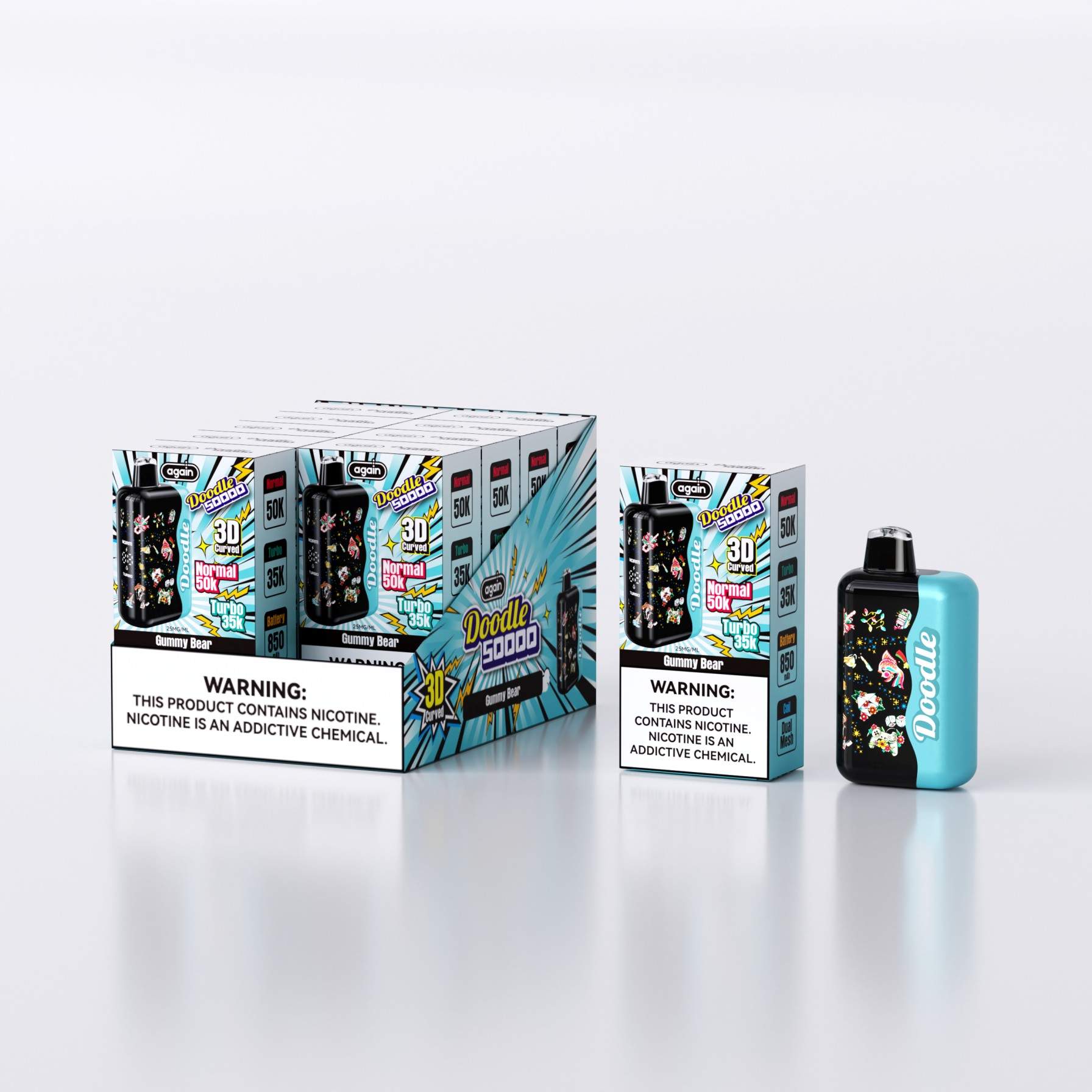
Disposable e-cigarettes combine battery, coil, and e-liquid in a sealed body. This setup suits single-use operation. The closed design ensures steady vapor output. It also lowers leakage risks. Refillable systems differ. They let users adjust coil types. Wattage levels can be set. E-liquid compositions are customizable. But these require some technical know-how for upkeep. Shenzhen Vapehome Technology Co., Ltd is a leading enterprise specializing in the research, development, and sales of vape products. Our core product line features a variety of disposable vape devices, tailored for convenience, ease of use, and rich flavor experience. Integrated systems like these hold real value. They suit controlled studies on nicotine effects. Why? They keep consistency across units.
Impact on Nicotine Delivery Efficiency
Disposable vapes hold steady vapor production until the end. They do this with pre-set power outputs. Coil resistances are calibrated too. The sealed design blocks oxidation. It stops degradation of e-liquid components. That could weaken nicotine potency over time. Still, puff duration counts. Frequency does as well. These influence total intake per session. Longer puffs raise exposure. More frequent ones do too. This happens even if the labeled strength stays the same.
Why Is Nicotine Concentration Critical for User Experience?
Nicotine concentration shapes main sensory parts. Think throat hit intensity. Smoothness of inhalation matters. Flavor perception is key too. All these parameters affect user satisfaction.
Balancing Throat Hit and Smoothness
Higher nicotine strengths create a strong throat hit. It recalls experiences from combustible smoking. Lower concentrations offer smoother inhales. These bring out flavor details. But heavy users might find them less fulfilling. Salt-based formulations give manufacturers an edge. They deliver high-dose options. Irritation stays minimal. How? By controlling pH levels during vaporization.
The Relationship Between Flavor Formulation and Nicotine Level
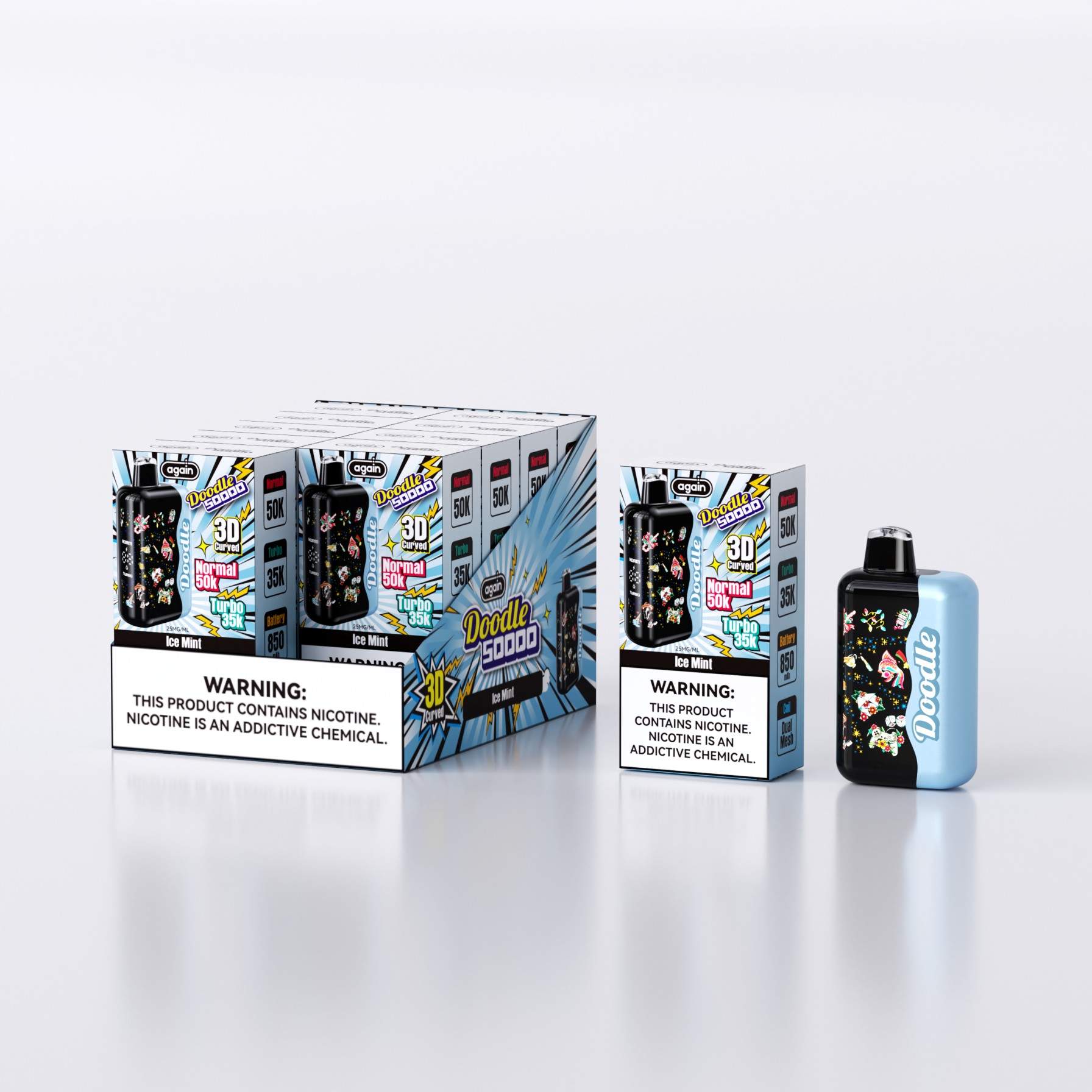
Flavor chemistry connects closely with nicotine concentration. Too much nicotine overwhelms subtle flavor compounds. It can add harshness. This twists the planned profiles. Manufacturers need to handle these factors with care. The goal is steady sensory quality. This holds across different strengths. Rich and diverse selection of flavors: fruit, mint, dessert, classic tobacco, and more demonstrates how variety supports user preference alignment while ensuring each formula performs optimally at its designated concentration range.
How Can Users Transition Between Different Nicotine Strengths?
Switching strengths calls for body knowledge. Behavioral management is essential too. Both ensure comfort in adjustment phases.
Gradual Reduction Strategies for Long-term Users
Cutting nicotine levels bit by bit helps. Users’ neurochemical receptors adjust slowly. This prevents severe cravings. It avoids irritability. Tracking daily consumption patterns aids the process. It pinpoints good times for strength changes. Tolerance feedback guides this. Professional guidance from vape specialists adds value. They customize reduction schedules. These fit individual usage habits. Adherence improves as a result.
Managing Cravings During Strength Adjustment
Tolerance drops over time. Transient cravings can arise then. Reduced plasma nicotine levels cause this. Consistent puff intervals help. They steady absorption rates. Fluctuations in satisfaction lessen. Hydration aids mucosal comfort. This matters in lower-nicotine adaptation periods. Controlled breathing techniques assist. They ease psychological urges. These tie to habitual smoking cues.
How Reliable Vape Suppliers Support Safe Product Choices?
Choosing solid suppliers guarantees compliance. International safety standards come first. Accurate labeling integrity follows. This is vital for professionals. They evaluate product reliability.
Shenzhen Vapehome Technology CO., Ltd as a Trusted Partner
Established in 2013, Shenzhen Vapehome Technology CO.,Ltd specializes in vape products, especially the disposable vape R&D, manufacture and sale. The company’s commitment to innovation is reinforced through continuous investment in research-driven design methodologies focused on performance precision and safety compliance across global markets. For the products quality, we have a comprehensive quality assurance system, which includes Strict Raw Material Selection, Standardized Manufacturing Process,100% In-line and Final Product Testing. These measures ensure accurate nicotine calibration within each unit produced under their brands such as AGAIN or APOC—demonstrating consistency valued by both consumers and professional distributors worldwide.
Key Considerations When Evaluating Nicotine Doses Professionally
Professional assessment blends chemical analytics. Empirical feedback joins in. Together, they outline optimal dosing frameworks. This fits disposable categories.
Analytical Metrics for Assessment
Experts ought to use chromatographic analysis techniques like HPLC. These verify e-liquid composition accuracy. They check against labeled concentrations. Monitoring aerosol particle size distribution provides insight. It reveals pulmonary absorption efficiency. Smaller particles penetrate deeper. They reach respiratory zones. This enhances bioavailability consistency. Correlating subjective satisfaction surveys with quantitative dosage outcomes helps. It validates performance claims. Real-world user experiences serve as the benchmark. This step is crucial. It upholds regulatory transparency in competitive markets.
Conclusion
Determining the correct nicotine strength in disposable e-cigarettes involves steadying user expectations. Scientific precision balances it. This spans formulation chemistry. Device engineering domains play in too. Aligning behavioral insights works well. Analytical verification methods support this. Collaborating with reliable manufacturers helps. Shenzhen Vapehome Technology Co., Ltd stands as one example. Industry experts benefit. They ensure safe vaping experiences. Satisfaction follows. These uphold consumer trust. Professional integrity standards hold globally.
FAQs
What is the typical nicotine range available in disposable e-cigarettes?
Most disposable devices feature strengths between 2% (20 mg/mL) and 5% (50 mg/mL), accommodating diverse tolerance levels while adhering to regional regulation caps.
Can switching between different brands affect perceived nicotine strength?
Yes. Variations in coil resistance design or airflow geometry can produce perceptible differences even among identically labeled concentrations due to differing vaporization efficiencies.
How often should professionals reassess recommended nicotine levels?
Reevaluation every six months is recommended to align dosage guidance with evolving formulations, updated clinical findings on tolerance adaptation patterns, and shifting market regulations governing disposable vape compositions.

