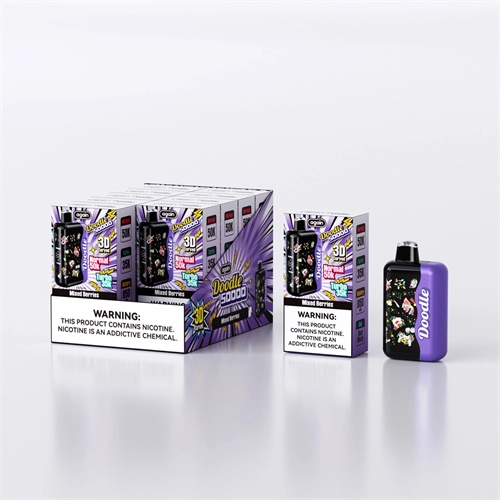
Disposable vape wholesale operations in 2026 face ongoing adjustments as regulations tighten further, user expectations shift toward greater control, and shelf space grows more contested. Market analyses project the global disposable category nearing $20 billion soon, with sustained compound growth in the 9–11% band. For distributors managing large volumes, the central call involves deciding how much space adjustable airflow disposable vape wholesale should occupy in purchase plans relative to established fixed airflow lines. Adjustable airflow disposable vape wholesale shows up regularly in buyer queries as procurement teams compare the benefits of draw-adjustable devices against the predictable, low-maintenance nature of fixed airflow products. This overview details the tangible differences seen from the wholesale side, flags the elements that drive margins and stock rotation, and maps out a practical sequence for sourcing and placing these items under current conditions.
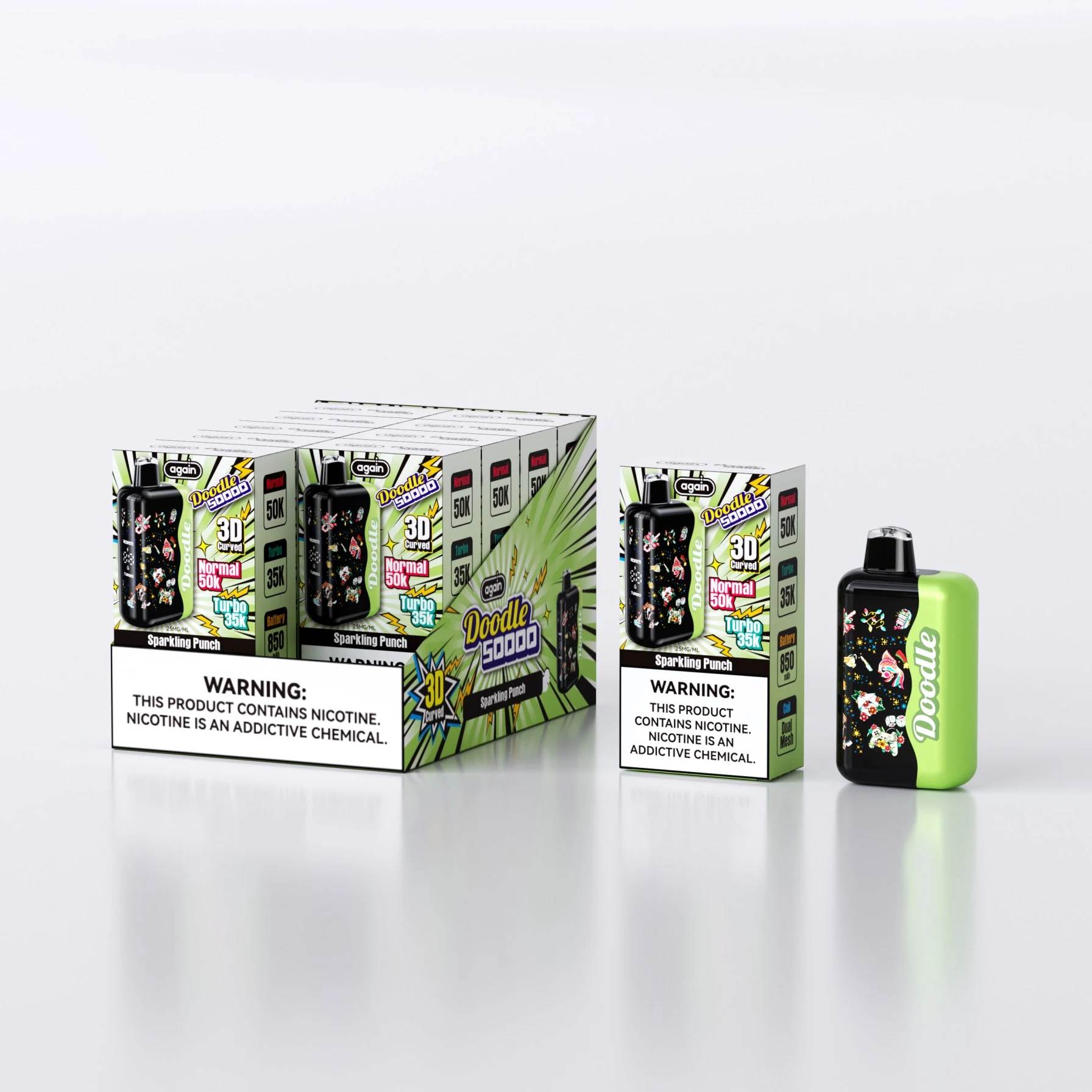
2026 Disposable Vape Market Trends: Why Adjustable Airflow Matters for Distributors
The sector moved beyond single-draw dominance years ago. Across developed territories in Europe and North America, plus expanding zones in Asia, users now frequently want the option to modify draw resistance—from a restricted MTL style that echoes traditional smoking to an open RDL or DTL pull that boosts vapor and flavor delivery. Adjustable airflow solutions, usually delivered through a basic slider or ring, provide that range while keeping the disposable format intact.
Wholesale realities reflect this change directly. Fixed airflow remains the volume driver in most channels because simpler builds keep factory costs down and performance stays uniform enough that retailers seldom need to justify it. Adjustable airflow commands a 15–25% wholesale premium from the added parts and assembly precision required. Where flavor curbs or puff caps compress margins on standard disposables, adjustable models allow distributors to lift average order sizes and reinforce connections with retailers aiming to stand apart. Sales tracking over recent periods reveals noticeably higher reorder frequency on devices offering customization, which stabilizes supply chains and cuts down on dead stock. Compliance factors add weight—some regions tolerate design variations if core safety rules hold, while others demand greater standardization, so distributors who stay current on these details gain positioning advantages.
Adjustable vs Fixed Airflow: Head-to-Head Comparison for Wholesalers
The gap between adjustable and fixed airflow reaches beyond end-user preference and influences procurement expenses, movement speed, return patterns, and bottom-line returns.
Adjustable airflow devices include a mechanical adjustment allowing users to switch intake from tight MTL draws to more open RDL or DTL styles. This draws in vapers who have progressed past entry-level options and seek to calibrate throat hit alongside vapor and flavor output. Fixed airflow sets one draw level, fine-tuned for a specific style, ensuring every puff matches the last—well suited for beginners or those who value consistency above all.
Cost structures separate early. Fixed models rely on straightforward construction, yielding lower unit pricing and more flexible MOQs that help distributors probe new markets. Adjustable builds involve extra components and stricter tolerances, raising manufacturing costs, yet that increment commonly supports stronger retail markups. Turnover follows distinct paths: fixed airflow clears faster in cost-conscious or novice-heavy outlets, while adjustable variants thrive in dedicated vape stores where buyers seek tailored experiences.
Returns reveal further differences. Fixed airflow’s uniformity keeps draw-related complaints low. Adjustable models sometimes register slightly elevated returns from mechanism fatigue or variability, though quality suppliers counter this with hardened parts and extended cycle validation.
Profitability calculations highlight the balance. Standard fixed airflow disposables often wholesale at $3.20–$4.00 and retail $9–$12, supporting reliable volume earnings. Adjustable airflow equivalents typically wholesale $4.50–$6.00 and retail $14–$18, widening the per-unit spread. Distributors generally hold a 70/30 allocation—fixed for baseline stability, adjustable for margin expansion—achieving steadier cash flow with exposure to premium segments.
From Distributor Perspective: When to Choose Adjustable vs Fixed
The appropriate blend depends on account profiles, market development stage, and broader objectives. Accounts dominated by convenience outlets, fuel stations, or basic smoke shops favor fixed airflow as the foundation. These devices need almost no counter education and hold return rates down, essential in operations running on thin margins and high throughput.
Specialty vape retailers, digital platforms, or areas with established vaping cultures benefit more from adjustable airflow. Shoppers here pursue disposables that deliver pod-like adjustability without refills, and the draw control feature frequently supports higher pricing. Distributors carrying adjustable lines note that these items strengthen retailer relationships as shops leverage them for shelf distinction.
Mixed stocking generally yields the most durable results. Distributors often launch adjustable models at 20–30% of fresh orders, letting actual sales figures determine whether to expand or contract. In zones with flavor prohibitions, adjustable devices can help recover some volume by pulling in users who emphasize draw characteristics over flavor options.
2026 Adjustable Airflow Disposable Vape Wholesale Buying Guide – Step-by-Step Action Plan
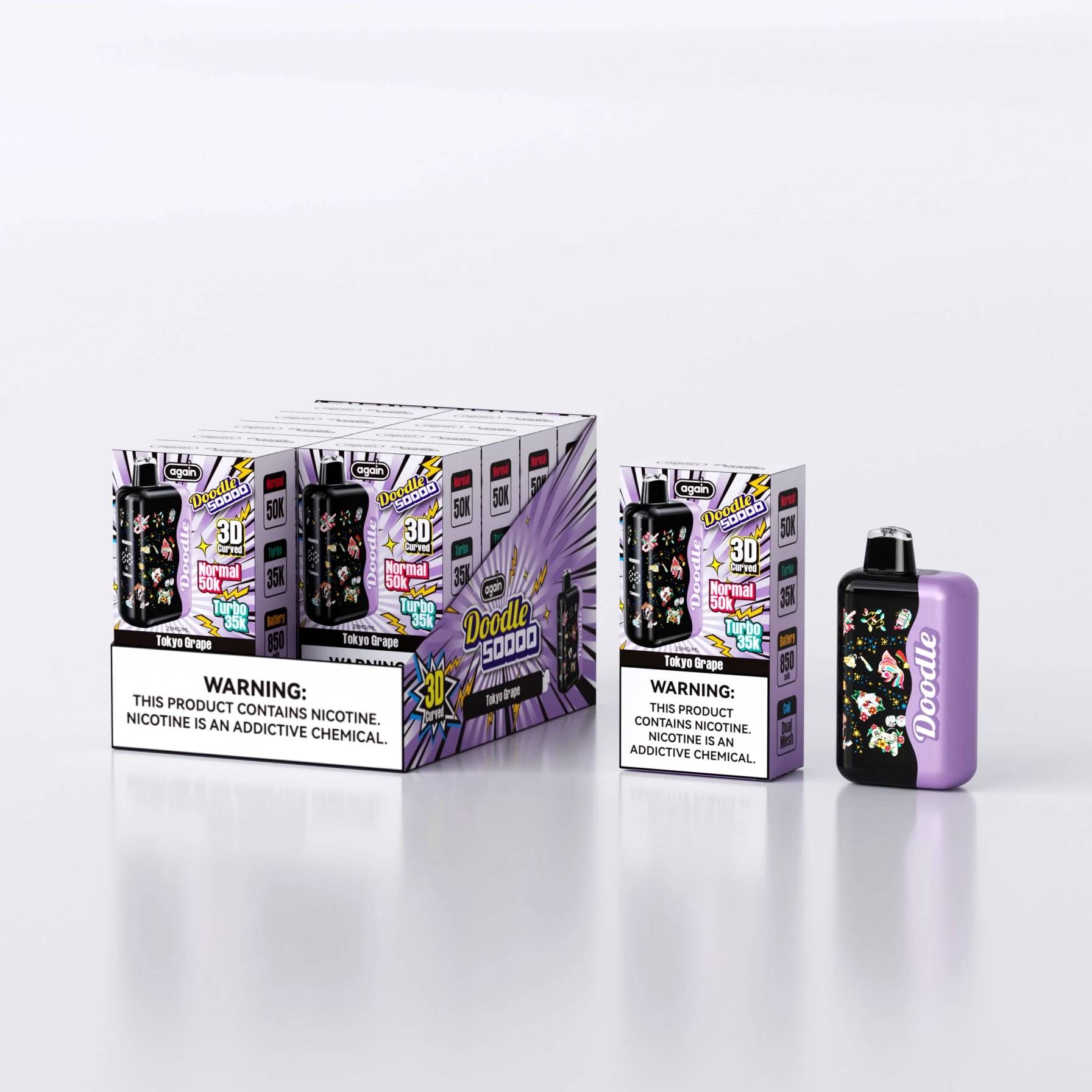
Sourcing adjustable airflow disposables effectively requires a deliberate progression to limit expenses, reduce quality exposure, and match proven demand.
Commence with demand validation. Examine sales records from current accounts or query primary retailers for signs like demands for “smoother intake,” “higher vapor,” or “tunable draw.” Clear indicators in these directions justify adjustable priority; absent them, fixed airflow should lead.
Advance to supplier assessment. Identify factories with established OEM/ODM records, reliable compliance history, and demonstrated skill in adjustable mechanisms that avoid leaks and deliver consistent adjustment. Obtain samples showing the entire airflow spectrum without stiffness or slack.
Perform practical evaluation. Deploy small lots—typically 10–50 pieces—to dependable retailers and collect observations on draw steadiness, leakage under different environments, and mechanism endurance with repeated handling. Strong adjustable models preserve performance across the rated puff count without decline.
Utilize evaluation data in negotiations. Secure improved pricing levels, workable MOQs, and customization paths such as branding or flavor modifications. Arrange payment structures that suit cash cycles and pursue scale-based concessions.
Handle compliance and transport. Confirm products satisfy target market standards on materials, labeling, and emissions. Combine shipments to lower per-unit freight charges.
Implement introduction and tracking. Supply retailers with brief highlights of the adjustable capability. Observe sell-through across the opening 60–90 days and adjust follow-on orders according to real velocity. Distributors following this routine frequently witness demand build as positive retailer experiences circulate.
For detailed specifications on customizable disposable vapes, including models with adjustable airflow, visit our product page.
Common Risks & How to Avoid Them
Adjustable airflow carries particular weak points. The adjustment part can deteriorate under inferior materials or loose tolerances, causing uneven draws or leaks later. Address this by choosing suppliers that strengthen mechanisms and apply long-term durability checks.
Stock buildup threatens continuously, more so with higher unit costs on adjustable lines. Respond with modest starting orders and reorder signals tied to movement rates—distributors often use basic spreadsheets to flag when inventory drops to critical thresholds.
Regulatory alterations can shift requirements suddenly. Keep watch through trade groups and supplier alerts; proven manufacturers usually issue early warnings on required adjustments to design or composition.
Shenzhen Vapehome Technology CO.,Ltd
Shenzhen Vapehome Technology CO.,Ltd, founded in 2013, concentrates on research, development, manufacturing, and worldwide supply of electronic cigarettes, emphasizing disposable vapes. Trading as Againvape, the company employs modern production methods and exacting quality protocols to produce dependable, high-performing devices. Full OEM and ODM offerings enable partners to adapt designs, flavors, puff volumes, and elements like adjustable airflow to fit precise market demands. Consistent regulatory alignment, streamlined manufacturing, and focused support for brand creation and large-scale buying position Shenzhen Vapehome as a dependable partner for distributors internationally.
Conclusion
Adjustable airflow disposable vapes in 2026 give distributors a concrete means to meet increasing calls for user control while preserving margins in a demanding environment. The feature satisfies expectations for draw customization and facilitates higher per-unit returns when correctly targeted. Results depend on accurate demand reading, thorough supplier review, and strict inventory oversight. Distributors taking a systematic path can gain footing in this advancing area with measured exposure.
FAQs
Is adjustable airflow worth the extra cost in disposable vape wholesale?
Adjustable airflow raises wholesale pricing 15–30% above fixed models, but the difference often proves worthwhile through superior retail placement and greater pull among seasoned users. Distributors targeting specialty or online outlets regularly report better order sizes and faster movement on these items, especially when customization supports ongoing purchases.
How does adjustable airflow impact profit margins compared to fixed airflow disposables?
Fixed airflow models produce steady volume profits from lower costs and quick turnover. Adjustable versions cost more to manufacture but allow wider gross margins—typically 5–15% more per unit—driven by premium retail pricing. Alignment with actual demand stays crucial; proper matching tends to deliver stronger financial outcomes overall.
What should distributors consider when sourcing adjustable airflow disposable vapes in 2026?
Priority goes to manufacturers experienced with adjustable mechanisms to avoid problems like slider sticking or leakage. Sample evaluation is essential, along with verification of compliance for target markets and negotiation of flexible MOQs to restrict early risk. Initial sell-through review guides later buying and inventory decisions.
Can adjustable airflow disposable vapes help differentiate a wholesale catalog?
Yes, notably in markets heavy with standard fixed options. Including adjustable models signals progressive thinking and draws retailers serving higher-end customers. Distributors frequently use these to build closer ties, pairing them with fixed lines to provide full assortments covering varied needs.
How do I start OEM production for adjustable airflow disposable vapes?
Approach manufacturers with proven OEM capacity and deliver exact specifications for airflow adjustment, battery details, puff rating, and compliance necessities. Launch with a small prototype series to validate operation, then increase output per test outcomes and market feedback. Solid partners manage regulatory filings and suggest design balances that control costs while maintaining performance.