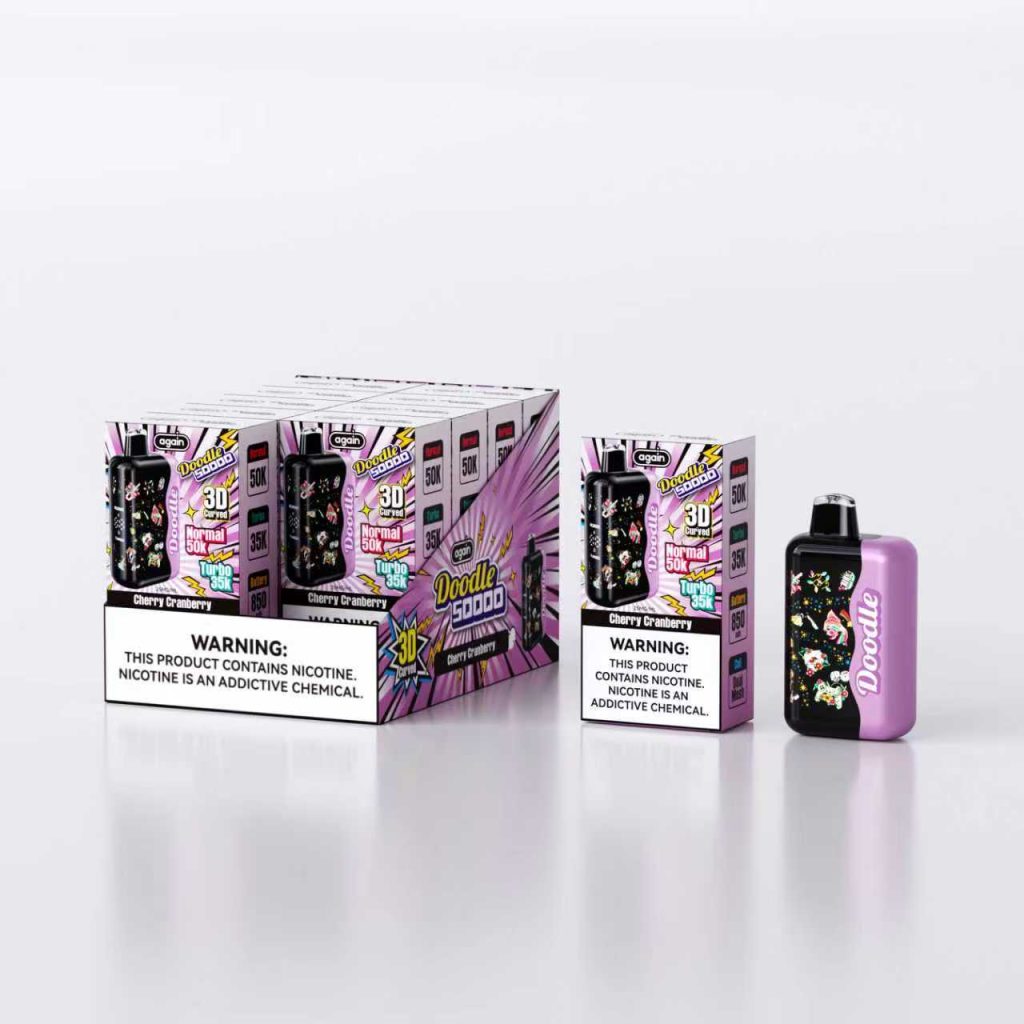
In large-scale distribution programs, disposable vape puff count is more than a marketing headline—it’s a performance claim that can drive returns, compliance questions, and channel disputes if it isn’t backed by a clear test method. For buyers managing multi-location inventory, the same device can feel “accurate” in a short pilot and then trigger complaints after the first high-volume release, simply because the pilot didn’t reflect real usage patterns or because the puff-count claim wasn’t tied to a repeatable regimen.
Here is the core reality: puff count is a system outcome. E-liquid usable volume, coil and wick behavior, airflow and draw activation, power management, firmware cut-off limits, and the test conditions used to count puffs all stack together. Many teams verify only one or two inputs—tank size and battery capacity—then get surprised when real-world puff count accuracy varies by user, region, and batch.
This guide is written for distributors, brand owners, and procurement teams who need a decision path they can reuse in RFQs, sampling, and scale-up approvals—without relying on “best case” numbers.
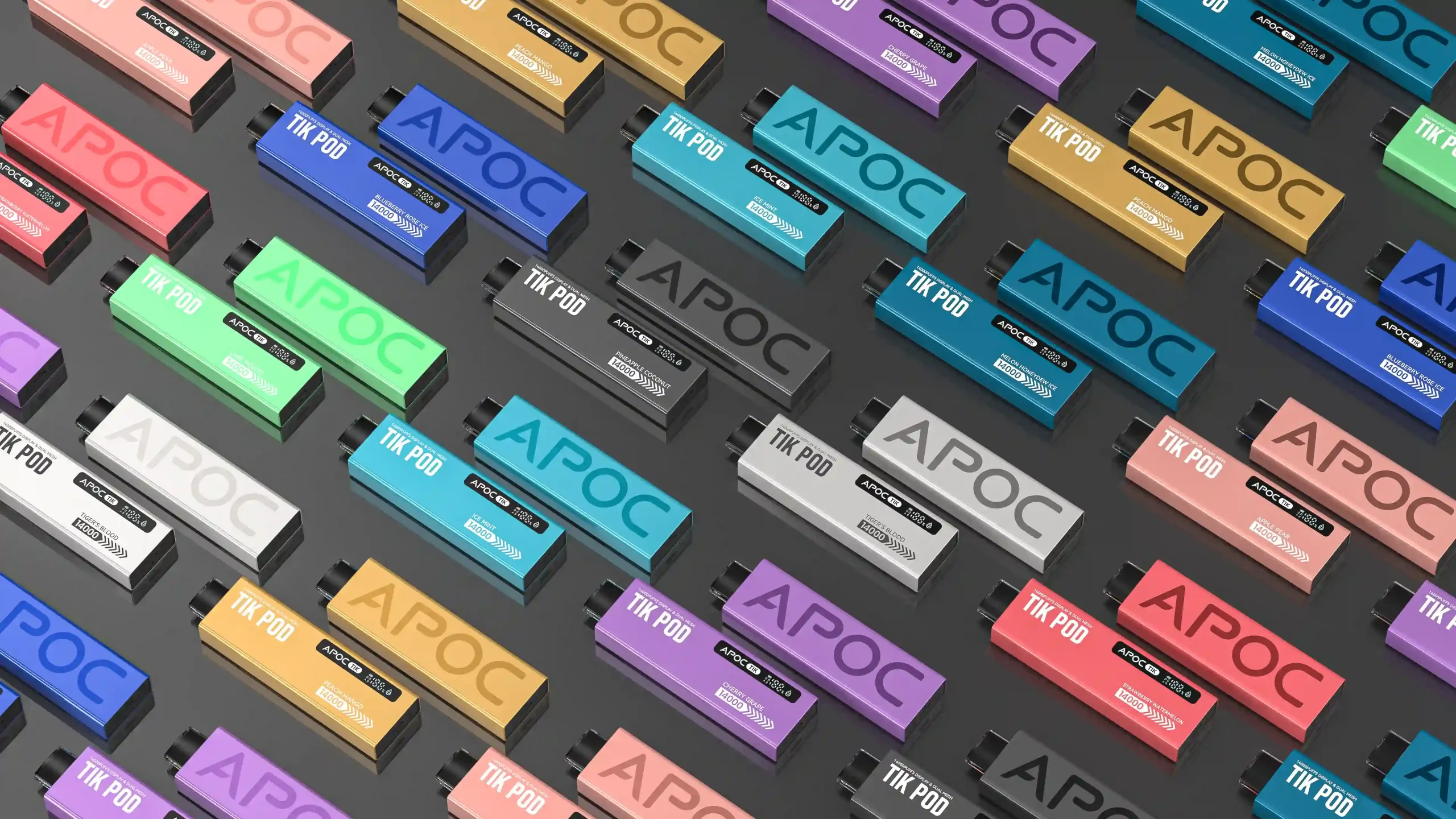
Why Puff Count Is a Test Condition, Not a Promise
A “puff” is not a standardized unit in the way a milliliter or milliamp-hour is. One person’s draw might be short and gentle, another’s might be longer, harder, and more frequent. That difference alone can change how fast e-liquid is consumed, how quickly the coil heats, and whether the device experiences condensation buildup or occasional dry-hit conditions near the end of the tank.
In large-scale B2B deployments, this is where disputes start. The customer expects the printed puff number to behave like a guaranteed quantity, while the manufacturer measured the number under controlled machine conditions. Neither side is necessarily “wrong,” but the mismatch creates friction.
The fastest way to reduce friction is to treat puff count like a lab result with disclosed assumptions, not a universal promise.
The Only Fair Comparison: What Test Regimen Was Used?
If you want to compare puff counts across models—or across suppliers—you need a shared baseline. Without it, “10,000 puffs” from one device can be less durable in practice than “8,000 puffs” from another, simply because their test conditions were different.
A Practical Baseline: Machine Puffing Parameters (What to Ask Suppliers)
In commercial product evaluation, the most defensible approach is to request the puffing regimen used for the claim. Many labs and suppliers use a machine-based approach that controls draw volume, draw duration, and interval time. A common “baseline-style” regimen in the industry uses a fixed draw volume (often around the mid–double-digit milliliter range), a draw duration of a few seconds, and a consistent interval between puffs.
You do not need to argue about the “perfect” regimen. You need the regimen to be disclosed, repeatable, and appropriate for the target market. For buyers managing multi-location distribution, this becomes a procurement language issue: your RFQ should specify that puff count claims must include test conditions, sample size, and pass/fail criteria.
What Changes Puff Count the Most When the Regimen Changes
Three variables tend to swing results more than teams expect.
Draw duration matters because longer draws increase energy delivery and liquid consumption per puff. Interval time matters because it affects coil cooling and wick recovery; short intervals can push the coil hotter and change consumption behavior. Draw intensity (or airflow resistance) matters because it can change how the device triggers and how much vapor is produced per unit time.
If your supplier’s puff count is measured at short draw durations with generous intervals, it may look strong on paper but feel lower in a user group that takes longer draws with shorter spacing.
The Engineering Stack That Drives Puff Count
This is the section most “top 30” articles simplify. For B2B buyers, the useful approach is to separate the theoretical maximum from the deliverable, repeatable puff count you can stand behind.
E-Liquid Usable Volume (Not Just Tank Size)
E-liquid capacity sets the upper boundary, but “usable volume” is what matters. In real devices, some liquid may remain in areas that are hard to wick efficiently near end-of-life, especially if the design prioritizes leak resistance and stability. Condensation in the airflow path can also represent a small but meaningful loss over long usage cycles.
When procurement teams evaluate puff count from “puffs per ml,” it’s better to treat that as a rough estimate rather than a specification. Two devices with the same nominal e-liquid volume can still deliver different real-world puff count accuracy because their atomization efficiency and liquid utilization differ.
Battery System: Capacity, Discharge Curve, and Cutoff Strategy
Battery capacity influences whether the device can fully use the e-liquid without weakening output near the end. However, capacity alone does not guarantee performance. Power management matters: the discharge curve, current limits, protection behavior, and cutoff voltage determine whether the device maintains stable vapor delivery or tapers off early.
In commercial distribution, premature “battery died before liquid finished” complaints often trace back to a mismatch between the battery system and the intended use pattern. High-frequency users stress the battery differently than occasional users. For buyers managing multi-site channels, this is why it’s smart to request battery cutoff behavior and output stability data as part of sampling.
Coil and Wick: Resistance, Thermal Mass, and Saturation Stability
The coil is where e-liquid becomes vapor, and it is a major driver of consumption per puff. Lower resistance and higher power can increase vapor production, but it often consumes more liquid per puff. Coil geometry and thermal mass affect how quickly the coil heats and how steady the temperature stays over repeated draws.
The wick system determines whether liquid supply keeps up with the heat. If the wick cannot replenish fast enough under the target regimen, the device may reduce effective puff count by producing weaker vapor, triggering protection behavior, or creating a harsh experience that ends usage early.
In large-scale programs, coil-and-wick consistency is also a manufacturing question. Small variances in coil placement, wick density, or liquid channel geometry can show up as “some units last longer than others,” which is a classic driver of returns.
Airflow and Draw Activation: Pressure Switch + Firmware Behavior
Draw activation is often treated like a commodity feature, but it affects puff count in real usage. The sensitivity of the pressure switch, airflow design, and how the firmware interprets activation events can shift how many “valid puffs” are counted and how much energy is delivered per puff.
A key parameter many procurement teams overlook is the per-puff cut-off time. If a device is designed to cap each activation at a fixed maximum duration, it can produce more consistent puff counts across users because extreme draw behavior is bounded. In distribution-heavy markets, this type of control can reduce complaint variance.
User Behavior and Environment: Variables You Must Declare
Temperature and storage conditions influence viscosity and wicking. Frequent, long draws increase heat accumulation. High ambient heat can push the system toward more condensation or leakage risk; low temperatures can reduce wicking responsiveness.
This is why “puff count claim language” matters. For B2B buyers, a better claim includes a simple statement that puff count is measured under defined machine conditions and varies with usage style. That phrasing is not marketing. It is dispute prevention.
Why “600 Puffs” and “25,000 Puffs” Can Both Be ‘True’
In real markets, puff count numbers are shaped by both consumer preference and compliance boundaries. Some regions push lower tank sizes and therefore lower puff numbers, while other channels favor larger-volume devices with rechargeable batteries designed to use the full e-liquid load.
The “truth” of a puff count claim depends on whether it is tied to (1) a disclosed test method, (2) a device architecture designed to deliver stable output across its life, and (3) manufacturing controls that keep batch variation low. Without those three, a high puff number is just a headline.
For buyers managing multi-location distribution, the practical lesson is simple: treat puff count as a spec you verify like any other spec. Ask how it was measured, then replicate the measurement—or commission a third-party check—before you bet a large order on it.
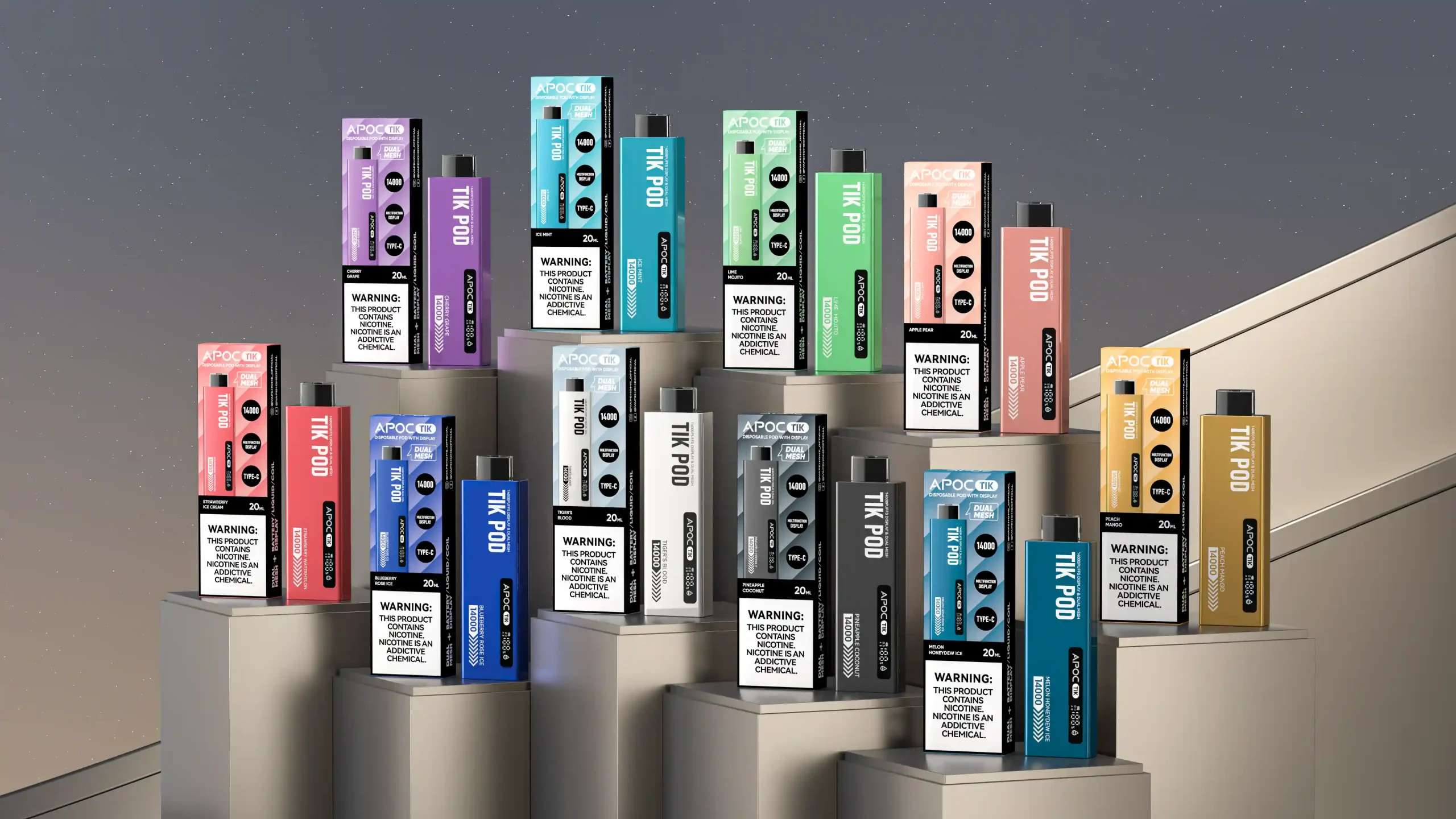
A Procurement Verification Path That Reduces Disputes
If you want to convert puff count from “argument risk” into “commercial confidence,” you need a verification path that fits procurement reality.
What to Request in an RFQ
A buyer-ready RFQ should ask for the puff-count test conditions, sample size, and how the end point is defined. “End point” needs clarity because some claims end when vapor output drops below a threshold, while others end when the device stops firing or when e-liquid is visually depleted.
It is also reasonable to request variability information. Even a simple statement of average performance and expected range across a batch can help you write channel-facing claims that match reality. In large-scale commercial programs, this is where you prevent downstream problems: you align expectations before the product ships.
Pilot Run Validation Before Scaling
A pilot should mimic how the product will be used in the target channel. If your market tends to take longer draws, validate with longer draws. If your users chain-vape with short intervals, test that behavior. If your channel involves hot climates or long shipping routes, include temperature cycling and packaging stress to check for leakage and condensation patterns.
From a procurement perspective, the goal is not to chase an absolute puff number. The goal is to verify that the puff count accuracy is stable enough that your customer service team won’t drown after launch.
How to Write Puff Count Claims That Survive Channel Scrutiny
A strong claim has three parts: the number, the test conditions in plain language, and a short note that real results vary based on usage. That structure is common in other industries where performance depends on operating conditions, and it works here too.
For buyers managing multi-location spaces and wholesale accounts, this kind of claim language also protects your partners. It reduces the chance that a retailer treats puff count as a guaranteed quantity and then pushes complaints upstream when customer usage patterns diverge from lab conditions.
Common Buyer Mistakes (And How to Avoid Them)
The most common mistake is treating puff count as a standalone KPI. Puff count is downstream of design choices. If you select a model solely because it advertises a larger number, you can end up with higher complaint rates if the device is more sensitive to user behavior, or if manufacturing variability widens the performance range.
A second mistake is failing to align the battery system with the e-liquid load. High-capacity devices often use rechargeable batteries so the device can consume the full liquid volume. If the battery cannot maintain stable output under the target usage profile, your theoretical puff count becomes irrelevant in the field.
A third mistake is ignoring claim language and test disclosure. Disputes are rarely about physics. They are about expectations. A clear test regimen and claim template prevent issues before they start.
Where Shenzhen Weipu Technology Co., Ltd. Fits In
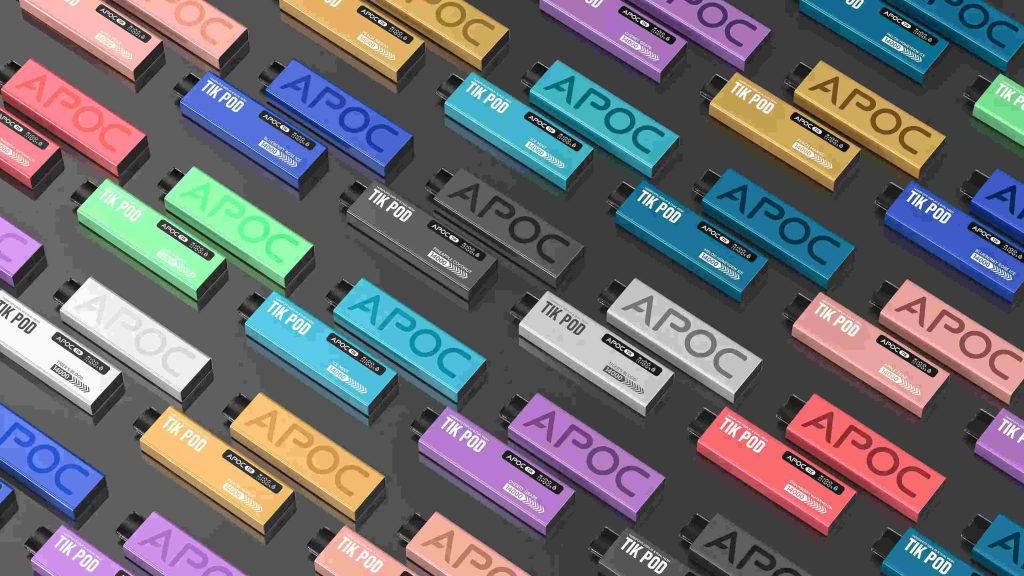
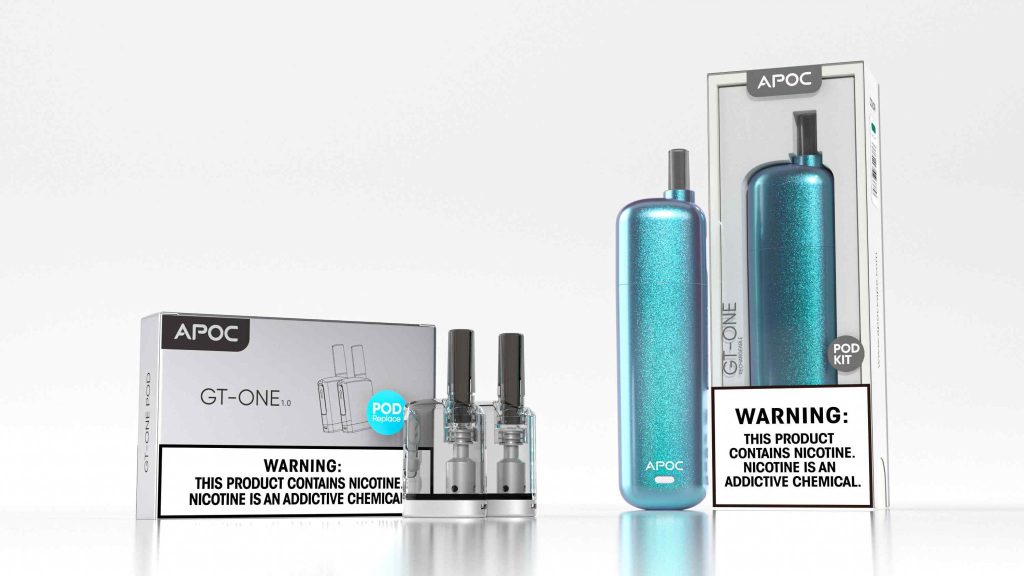
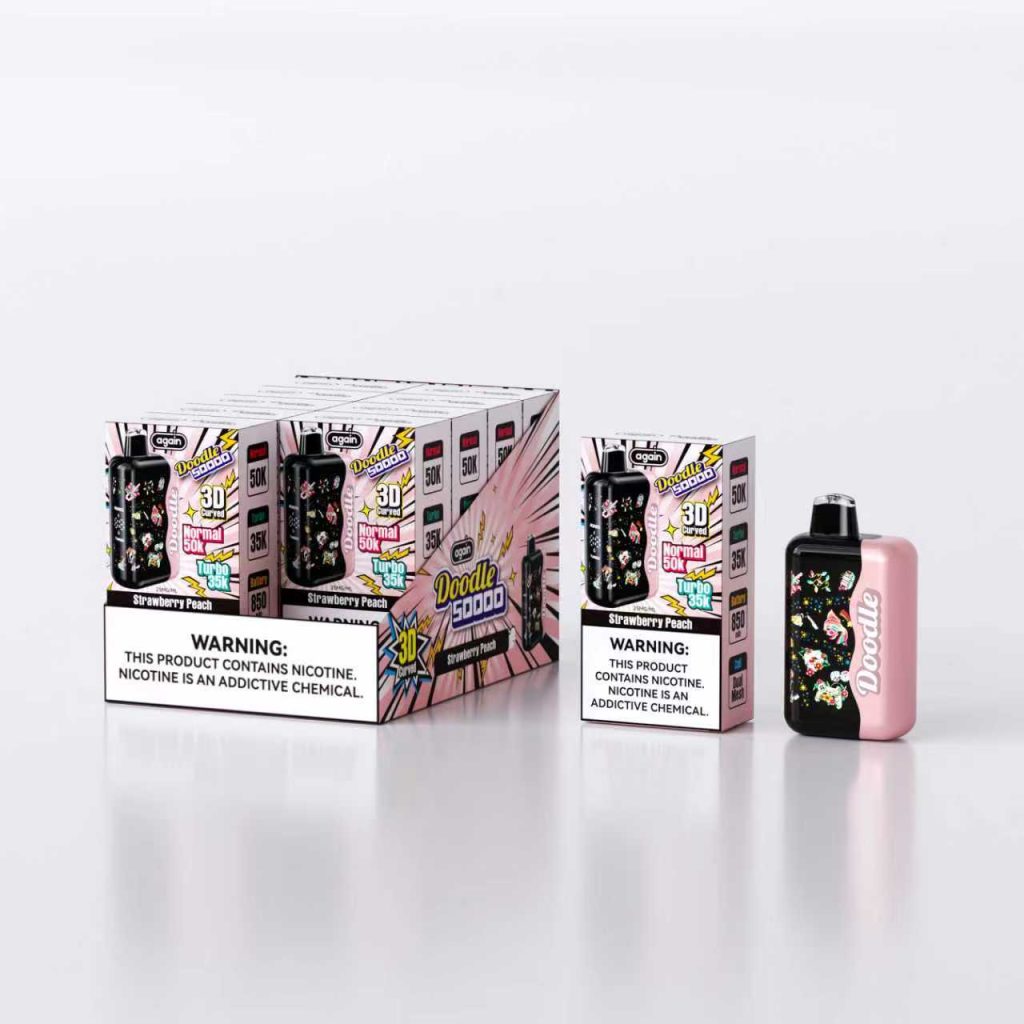
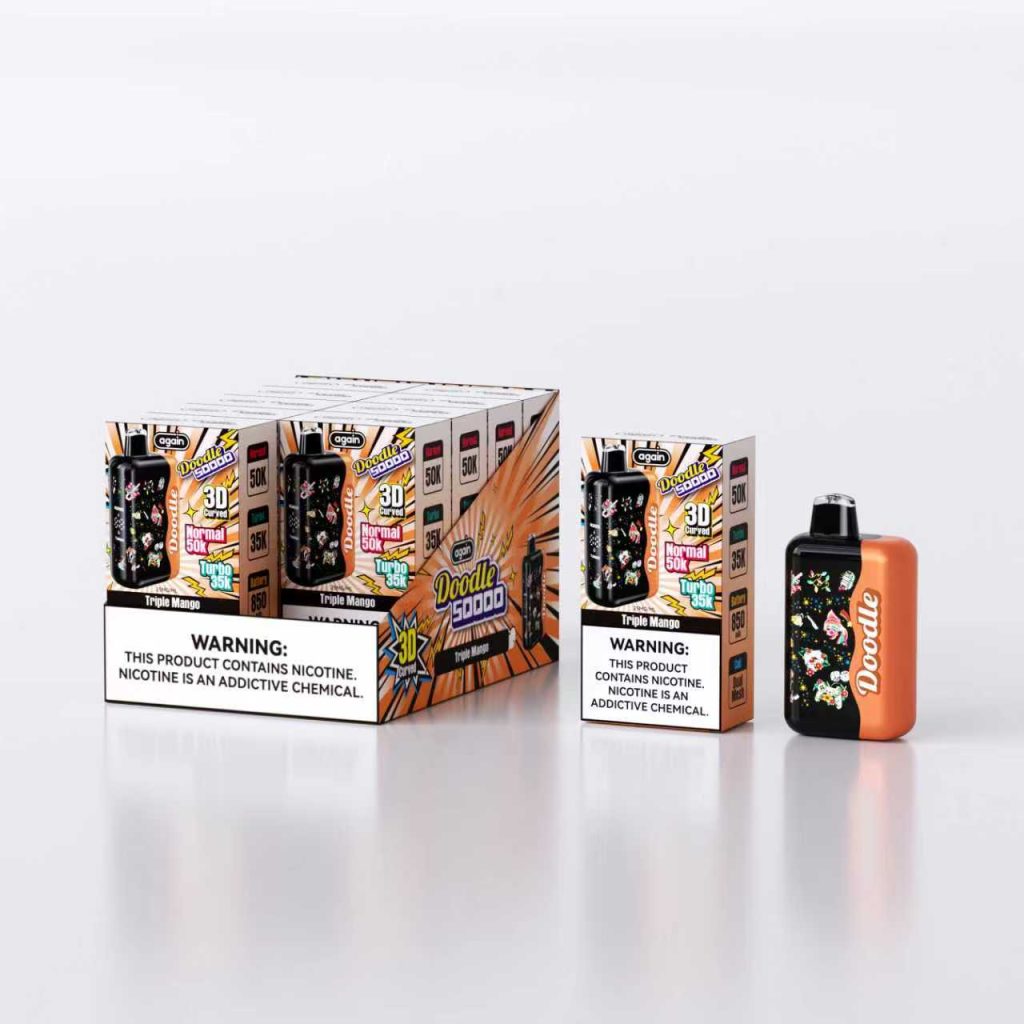
Shenzhen Weipu Technology Co., Ltd. operates in the disposable vape segment with a model that combines OEM/ODM manufacturing with branded product development. The company’s history highlights an early focus on OEM/ODM services, followed by brand expansion that includes the “again” line and the relaunch of the APOC brand, with distribution across multiple international markets.
For buyers, the most relevant question is whether the supplier can keep performance consistent at scale—especially for claims like puff count. Weipu’s published positioning emphasizes a quality assurance approach that includes raw material selection, standardized manufacturing, in-line and final testing, traceability, and third-party testing cooperation, along with support for market-specific certifications where required.
On the product side, Weipu describes disposable devices spanning a range of e-liquid volumes and puff counts, often paired with battery capacities designed to support full utilization of the e-liquid, along with features such as leak-resistant structures, mesh coil options, and USB-C charging on rechargeable models.
In practical procurement terms, that means buyers can treat puff count as a spec that is engineered, measured, and controlled—not merely printed.
Conclusion
Puff count is not a single variable, and it is not just “ml × a number.” In commercial reality, disposable vape puff count is the output of a stack: usable e-liquid volume, coil and wick stability, airflow and activation behavior, power management, firmware limits, and the test regimen used to measure performance. For buyers managing multi-location distribution, the fastest way to reduce disputes is to require disclosure of test conditions, validate performance under a representative usage profile, and align puff count claims with a clear, defensible statement of assumptions.
When you treat puff count like an engineering and procurement variable—measured, repeatable, and tied to batch consistency—you reduce surprises after launch, protect channel relationships, and make scale-up smoother.
FAQs
What determines puff count in a disposable vape the most?
Puff count is mainly driven by usable e-liquid volume and how much liquid is consumed per draw, which is influenced by coil design, power delivery, airflow, and the draw duration used in testing. Two devices with the same e-liquid capacity can deliver different results if their vapor output per puff and power control differ.
How do I calculate puff count from e-liquid capacity, and why is it often wrong?
“Puffs per ml” can provide a rough estimate, but it often fails as a spec because it assumes consistent draw duration, consistent vapor output, and near-perfect liquid utilization. Real devices have differences in atomization efficiency, condensation losses, end-of-life liquid accessibility, and battery cutoff behavior that change results.
What test conditions should suppliers disclose for puff count claims?
At minimum, suppliers should disclose draw volume, draw duration, interval time, the endpoint definition (what counts as “finished”), and the sample size tested. For procurement teams, these details turn puff count from a marketing number into a comparable performance result.
Why can puff count vary across batches of the same model?
Batch variation can come from small differences in coil resistance, wick density, airflow parts, sensor sensitivity, and power-control tolerances. These small differences can compound over thousands of draws and show up as measurable puff count accuracy differences in the field.
How can wholesale buyers reduce puff-count-related disputes with retailers?
Use claim language that includes the measured puff count, the test regimen in plain language, and a short statement that real-world results vary with usage style. Pair that with pilot validation under representative user behavior before placing large volume orders.