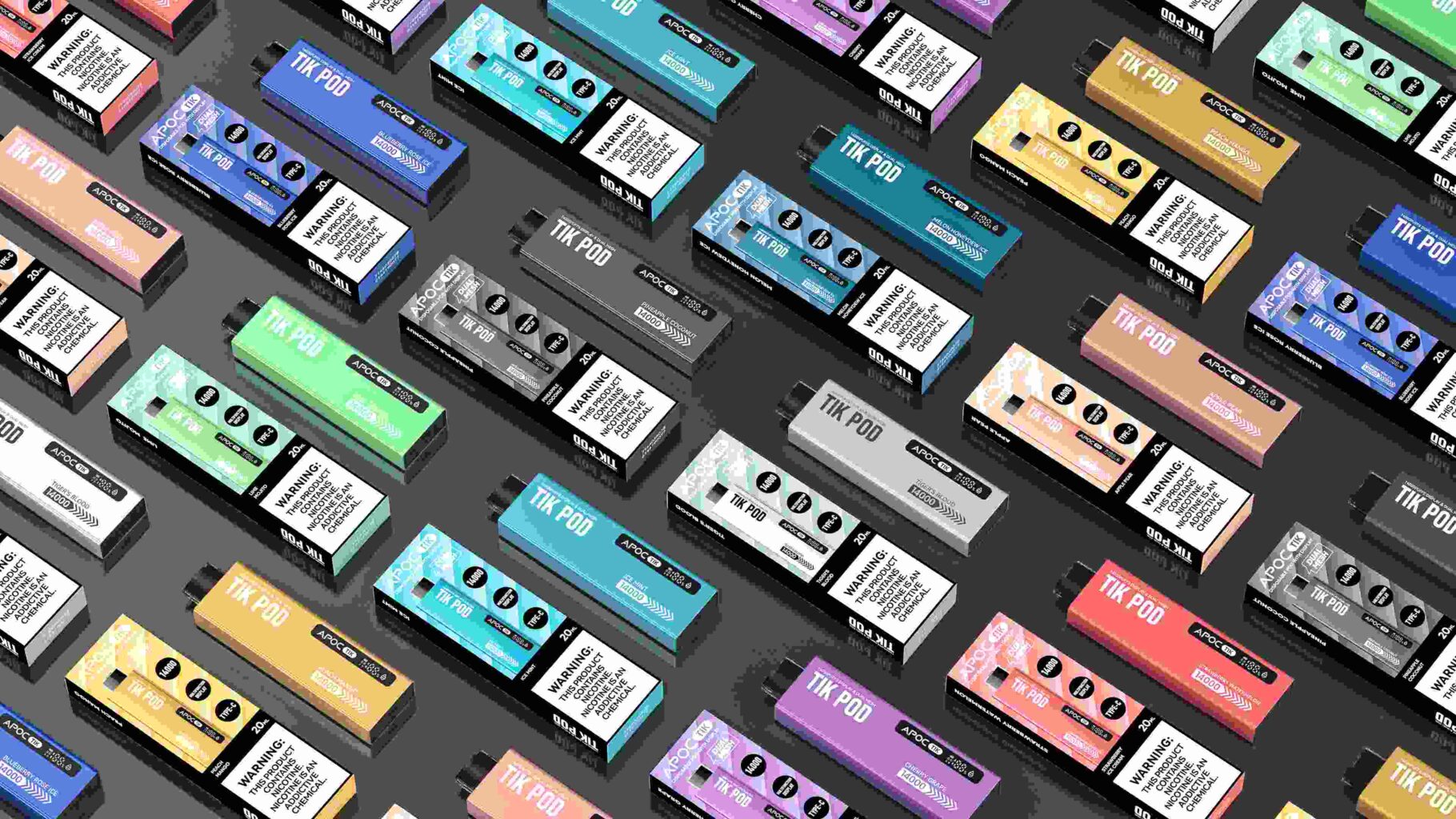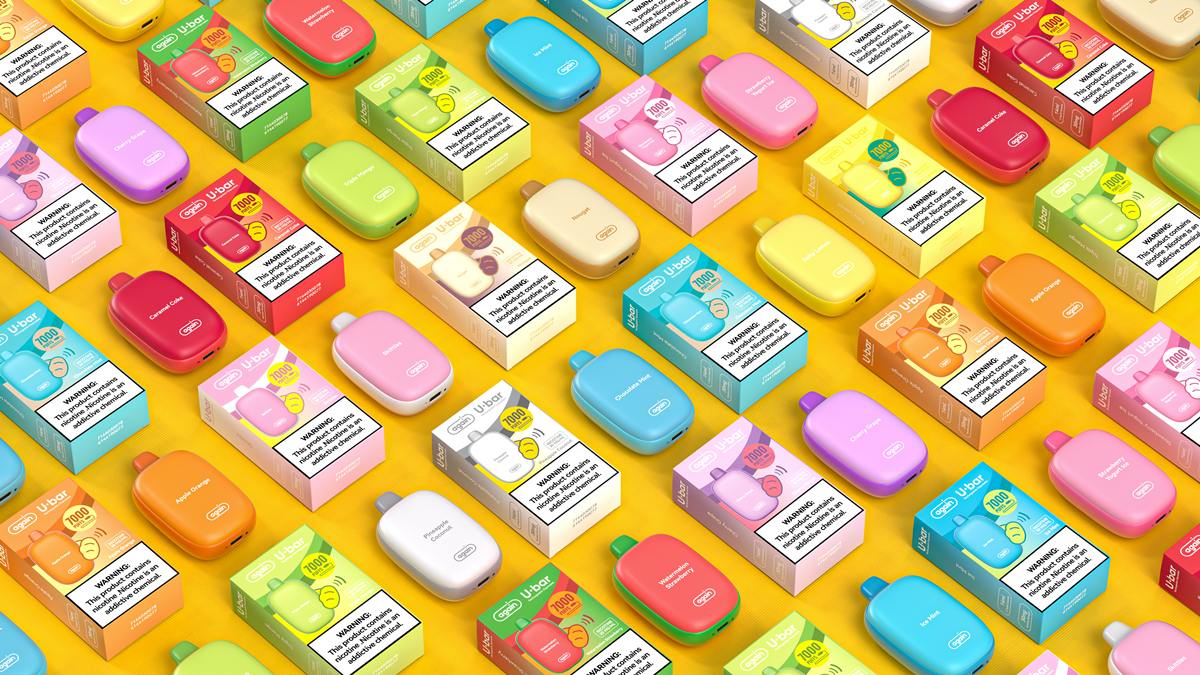
A vape product can be attractive, commercially promising, and easy to manufacture, yet still lose momentum when internal teams make decisions in isolation. Design may approve one appearance, sales may present another product promise, and manufacturing may work from an older file. Brand owners can reduce this risk by creating a shared decision process before a new disposable vape or pod system moves too far into development.
This guide explains how design, sales, and manufacturing teams can coordinate around one product version, one decision record, and one clear commercial objective.
Why Do Cross-Functional Product Decisions Matter?
Each team sees a different part of the product. Design focuses on appearance and usability, sales focuses on customer and channel needs, while manufacturing focuses on what can be produced consistently. None of these views is sufficient on its own. A coordinated decision connects them without allowing one department to silently redefine the project.
The need is especially clear when a brand manages both a disposable vape range and a refillable pod line. The teams need to understand which decisions are shared and which belong to a specific product category.
What Should the Team Agree on First?
Before detailed design or sales materials are finalized, the brand should define the commercial role of the product, its intended customer, the planned product category, and the decisions that require final approval. This creates a simple boundary for later discussions.
Define the Product Brief
The brief should state what the product is expected to do for the brand and its customers. It can cover the target channel, positioning, product format, planned variants, and key reasons a distributor or retailer would consider it. The brief should distinguish confirmed requirements from ideas that still need review.
Assign Decision Owners
A project moves slowly when every team can comment but no one is responsible for the final decision. Assign an owner for product direction, design approval, sales input, and manufacturing feasibility. The owner does not make every decision alone; the role is to make sure the right evidence is collected and a final answer is recorded.
How Can Teams Share One Product Version?
Version control does not need to be complicated. The brand can use a product name, version code, date, and file list that appear in the specification, artwork, sales sheet, and factory communication. When a decision changes, update the record rather than relying on a message thread that only some team members can see.
For example, if the brand is preparing material for the APOC GT-ONE Refillable Pod Vape Kit, the product name, kit description, and approved configuration should match across design files, sales content, and factory documents.
How Should Sales Feedback Be Used?
Sales feedback is valuable when it is specific. Instead of reporting that customers “want something different,” the sales team can record the market, customer type, requested change, and whether the request affects the product, packaging, or message. The brand owner can then decide whether the feedback belongs in the current version or a later variant.
This approach prevents one urgent request from changing the production target without review. It also helps design and manufacturing understand why a change is being considered, not only what someone wants changed.
How Can Manufacturing Input Improve the Plan?
Manufacturing should be involved before the brand finalizes decisions that affect the product files or production target. The factory can identify which details need a physical sample, which documents must be updated, and which changes may require additional review. The brand should treat that input as project evidence rather than as an automatic reason to remove a customer-facing requirement.
The Shenzhen Vapehome Technology Co., Ltd. describes vape-product manufacturing and OEM services on its official company profile. For a brand project, the practical question is how the factory and brand will exchange current information and record decisions, not simply whether a factory can produce a device.
What Should the Final Decision Record Include?
A useful record identifies the product version, the decision made, the evidence reviewed, the owner, and any conditions that remain open. It should also state which teams need to update their files. A short decision record is usually more useful than a long meeting transcript because it gives the next team a clear action.
When teams need to review the wider product range, the record can also note whether the decision affects one model or a broader category. This prevents a change to one product from being copied across unrelated models.
Conclusion
Coordinating product decisions is a brand-management responsibility, not just a meeting task. A clear brief, assigned decision owners, shared version records, structured sales feedback, and early manufacturing input help design, sales, and factory teams work toward the same product. The result is a clearer production target and more consistent communication to the market.
FAQs
Who should have the final say on a new vape product?
The brand should designate a decision owner who considers design, sales, and manufacturing evidence. The owner should record the decision and any conditions rather than leaving approval to informal consensus.
Should sales be allowed to change a product after manufacturing review?
Sales feedback should be reviewed through the agreed decision process. A change may be accepted, deferred to a later variant, or declined after considering its effect on the product version and production files.
How often should the product decision record be updated?
Update it whenever an approved requirement, product version, packaging file, or commercial position changes. Routine comments that do not alter the project do not need to become new versions.