


A successful vape display needs to handle two tasks at the same time. First, it must offer shoppers a trusted disposable vape. Second, it needs to provide space for items that might become future favorites. You should not give every item the exact same amount of space. Instead, use a careful layout. This layout secures your main sales. At the same time, it creates a safe way for customers to find new items. Vape shops, e-cigarette stores, and convenience stores share a common goal. They want a clear product mix. This selection should look fresh but remain organized.
Begin by looking at actual sales data instead of personal tastes. You can rank items by total units sold and profit margins. Also, check repeat buying rates, flavor options, and standard stock times. Top sellers need to be available and easy to spot. However, they do not have to take up every single space at eye level. Keep a small core group of products. These items will meet most customer needs. Then, save a specific section of the display for careful testing of new goods.
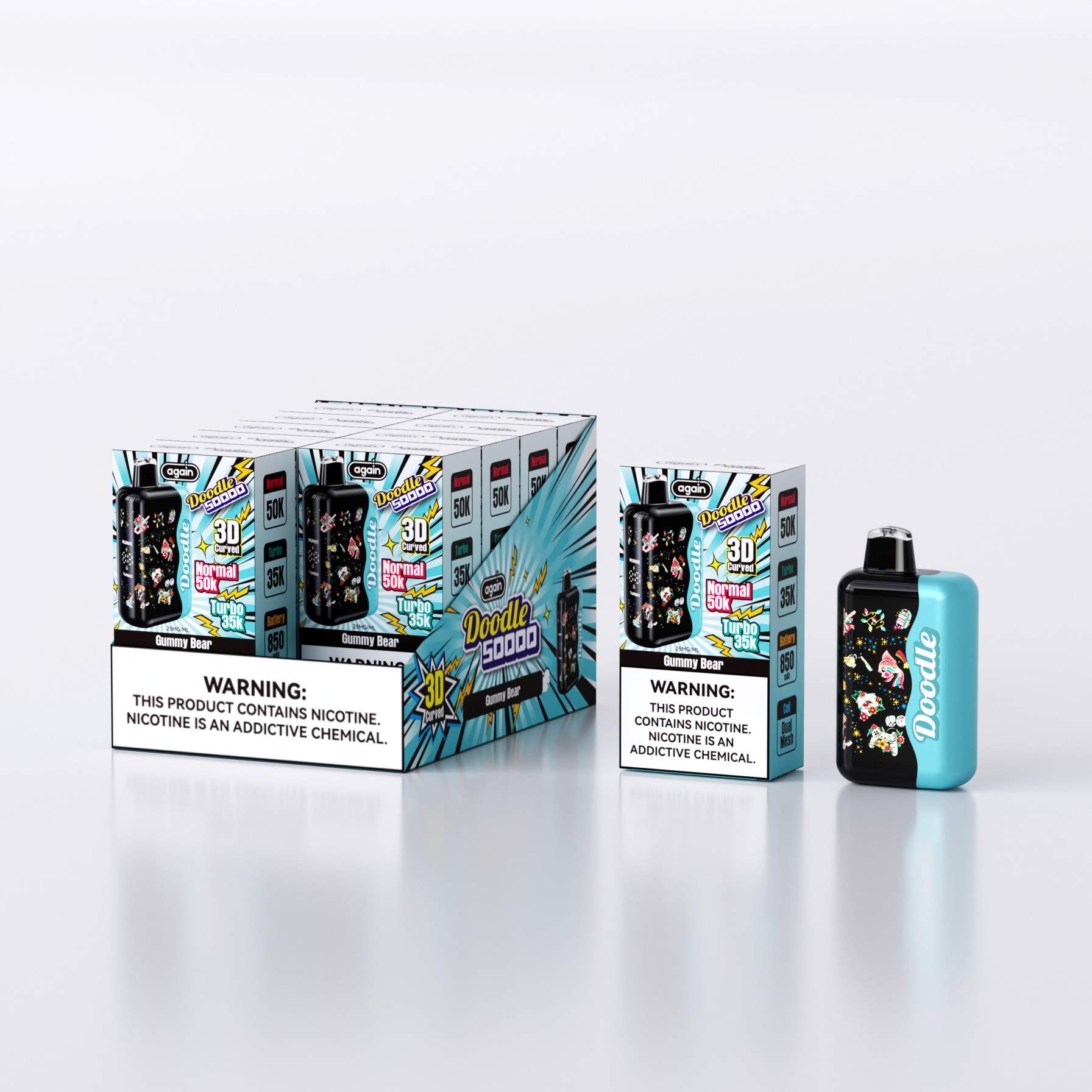
How much shelf space should bestsellers receive?
The best layout depends on your store size and restocking speed. Yet, the main rule stays the same. You must give your core items the most reliable space. You also need to protect these spots from accidental changes. A good plan is to put fast-selling items in areas where people can easily compare them. Group these goods by how they are used. Next, place at least one alternative next to each popular choice. This setup helps your workers suggest an upgrade or a replacement. They can do this without sending the buyer to a different aisle.
Build a visible core range
Your main product line should be small enough for staff to learn easily. Still, it must be wide enough to meet different tastes. Use clear shelf tags and simple price signs. Make sure all boxes face forward. If several items belong to the same brand family, keep them together. This step lets buyers compare them quickly. You should not treat every single flavor as a totally separate item. Store owners can then track the whole group as a single sales unit. At the same time, they can still see which specific flavors sell best.
How can retailers introduce new products without confusing shoppers?
Fresh items perform best when you introduce them through small and clear tests. Give every new release a real purpose. It might offer a different shape or a new style. It could also serve a specific buyer group that your main items miss. Limit the display space at first. Set a date to check the results. Also, teach your team one or two simple facts to share with buyers. The new release should feel like a simple chance to compare options. It must not force customers to drop their usual favorites.
A product like the APOC SiM disposable vape pod can serve as a targeted update. It fits nicely into a larger product mix. You do not need to present it as a total replacement for your current top sellers. Its official page shows updates based on actual user feedback. This detail gives store owners a solid story to share with buyers. Keep this message brief at the display area. Then, let the real sales numbers decide if the item deserves more room.
Use adjacency to make comparison easy
Put the new item close to a famous product that it matches well. A side-by-side setup helps workers explain the difference in just one sentence. It also lets shoppers make fast choices. Do not put several untested items right next to each other. Too many new things in one spot can make buyers feel unsure. Placing one fresh item beside a trusted product creates a much better testing environment.
You also need to keep the visual layout neat and steady. Match the box heights when possible. Use clear price tags and leave a little empty space between items. These details make the display easier to look at. Sometimes a new item has a very different shape or box. When this happens, give it just enough space to stand out. However, do not isolate it completely from the rest. A clean visual order helps customers decide faster. It also makes weekly stock counting much easier for your staff.
How should a retailer measure a balanced shelf?
Check your display every week. Still, you should not make sudden changes just because of one slow day. Track the units sold for each spot. Look at profit margins and repeat orders. Notice customer questions and how often your team suggests each item. Compare the success of new goods against your normal store traffic. A new release might sell less than a top item. It can still deserve space if it brings in a special group of buyers. It might also increase total spending or act as a good backup when main items are sold out.
Use a basic testing process. First, set a normal sales baseline. Next, run a clear trial and write down the feedback. Finally, pick one action. You can expand the space, keep it the same, move the item, or replace it entirely. Store owners can also check their results against the official product portfolio. This check helps ensure the display has a good mix of disposable and pod devices. Your goal is not to follow every single market trend. Instead, you want to learn quickly while keeping your risks low.
What role does supplier selection play?
Display balance becomes easier when you have a helpful supplier. A good partner will discuss both older models and fresh items. They will do this without forcing you to buy huge amounts. Shenzhen Vapehome Technology Co., Ltd. works through the AGAIN and APOC brands. The company shares clear details for both disposable and pod-system items. Store buyers must still check stock levels and business terms for every order. They also need to review local rules. Even so, an open product list makes planning much simpler.
Conclusion
Top sellers need to secure the main display areas. Meanwhile, fresh items must earn their spots through careful and clear tests. Protect the stock of your main goods. Introduce just one clear alternative at a time. Put related items close together to help buyers compare them. Lastly, check your sales results on a regular schedule. This method keeps your shop feeling familiar to regular buyers. It also keeps your business flexible enough to find the next big item that shoppers will want.
FAQs
Should new vape products receive the same shelf space as bestsellers?
Usually, they should not get equal space at the start. Begin with a small display area. Set a date to check the results. You should only add more space when sales and buyer feedback support the change.
Where should a retailer place a new product?
Put the new item next to a related top seller. You can also place it inside a clearly marked section. This setup lets shoppers compare items without losing sight of their usual choices.
How often should shelf performance be reviewed?
A weekly check helps you spot display and stock problems. However, a longer trial provides much better data. This extra time helps you decide if a new item should get more space, stay the same, move, or leave the store.


