Disposable vape quality control process stands between reliable wholesale shipments and the steady stream of returns that come from leaks showing up in transit, coils burning out early, or devices quitting before the liquid runs dry. Distributors track these patterns closely—batches that arrive with seepage complaints, units that deliver harsh draws after limited sessions, or batteries that cut power prematurely. Factories running layered checks from the moment materials hit the dock through final packing keep those failure rates in check, often maintaining levels that seasoned operations view as acceptable for high-volume runs.
The sequence moves through incoming material audits, assembly-floor surveillance, batch-level performance trials at the end, and certification alignment. Procurement teams that know how these stages function can separate manufacturers built for consistent output from those that sacrifice stability for faster throughput.
Why Quality Control Matters in Disposable Vape Production
Defects hit the supply chain fast without proper controls. Devices that develop oil migration during shipping reach retail already compromised, generating waste and immediate customer dissatisfaction. Coils with uneven heating produce burnt notes and shorten usable life, feeding poor reviews that spread rapidly. Battery voltage drops that occur too soon leave users short of expected puffs, while trace contaminants draw regulatory attention under CE, RoHS, or FCC requirements.
Structured quality management addresses these threats directly. Upstream screening removes questionable inputs, mid-process observation stops assembly drift before it scales, and final validation confirms the product meets both specification and real-world demands. Plants with disciplined execution record lower post-delivery failure rates, protecting distributor margins and sustaining reorder reliability. One bad container can create significant recovery costs or end accounts; preventive layers deliver clear value through reduced variability and consistent shelf performance.
The Full Quality Control Workflow in Disposable Vape Factories
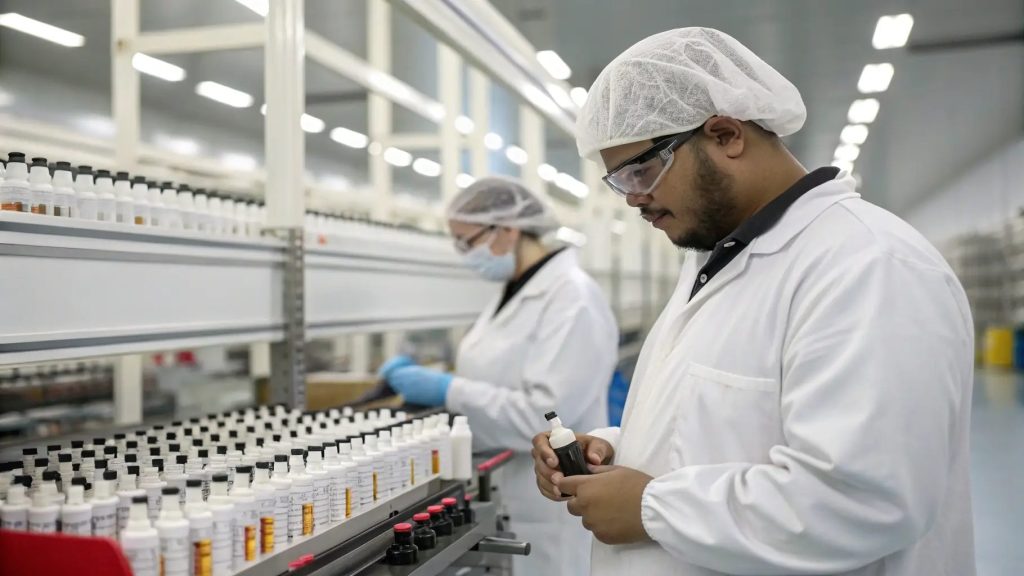
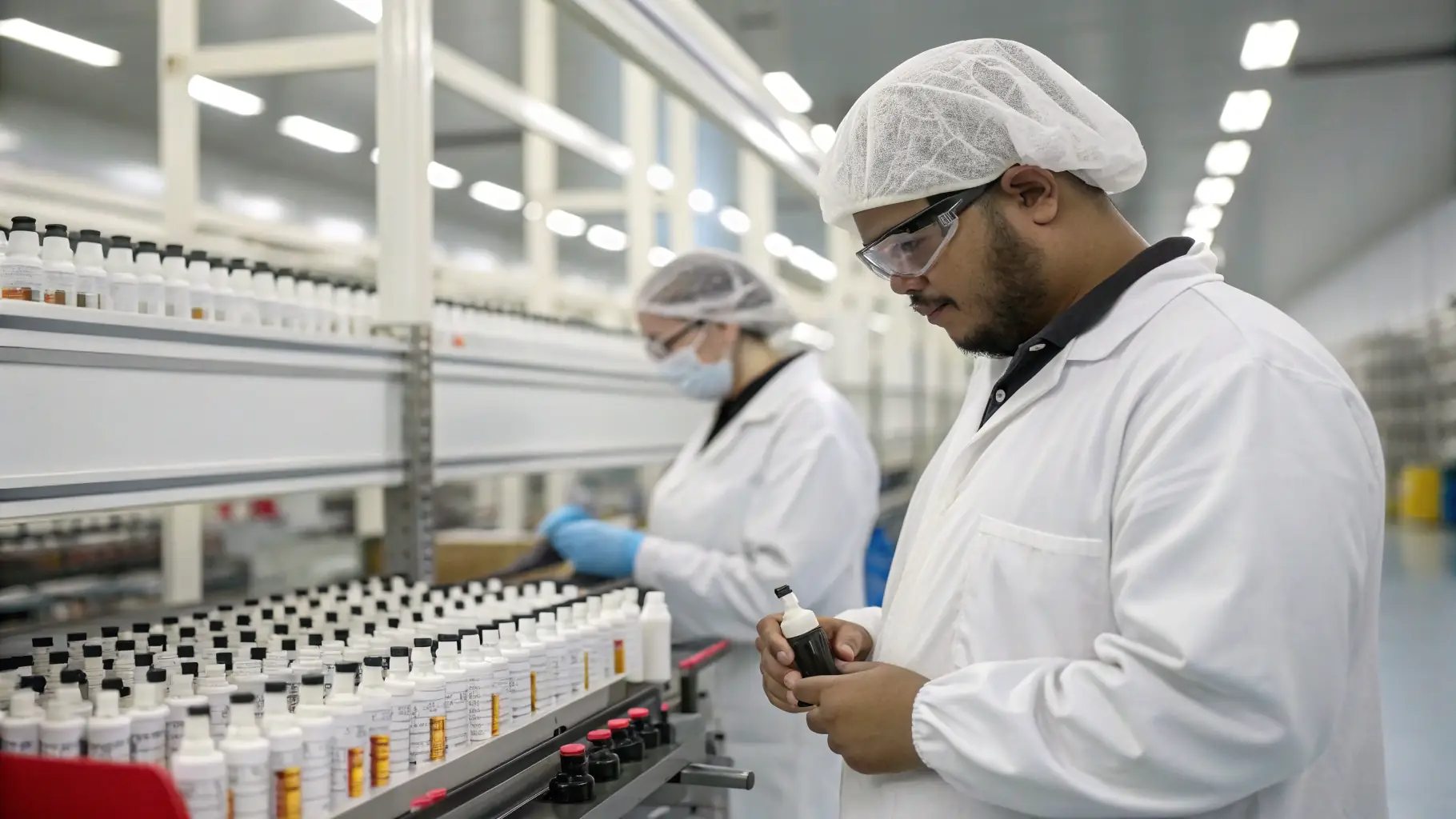
Volume production lines for disposable vapes depend on progressive checks adapted to the tight integration of components.
Incoming Quality Control (IQC) – Checking Raw Materials
Checks start at receiving. Batteries undergo capacity profiling, protection circuit testing, and load discharge to reveal cells with hidden flaws. Suppliers sometimes ship downgraded lots without warning, making cross-shipment sampling a standard practice to catch inconsistencies.
Mesh coils receive resistance measurement and winding inspection—non-uniform construction leads to hot spots that show up later as degraded vapor. Cotton wicks face absorbency and purity evaluation to support even liquid delivery. Bulk e-liquid lots go through lab analysis for nicotine precision, heavy metal absence, and microbial clearance. Plastics and circuit boards pass dimensional and composition verification.
Sampling follows AQL plans or similar standards. Rejected lots return with documented evidence, keeping suppliers accountable. This front-end barrier stops defective materials from moving forward and reduces later correction volumes.
In-Process Quality Control (IPQC) – During Assembly
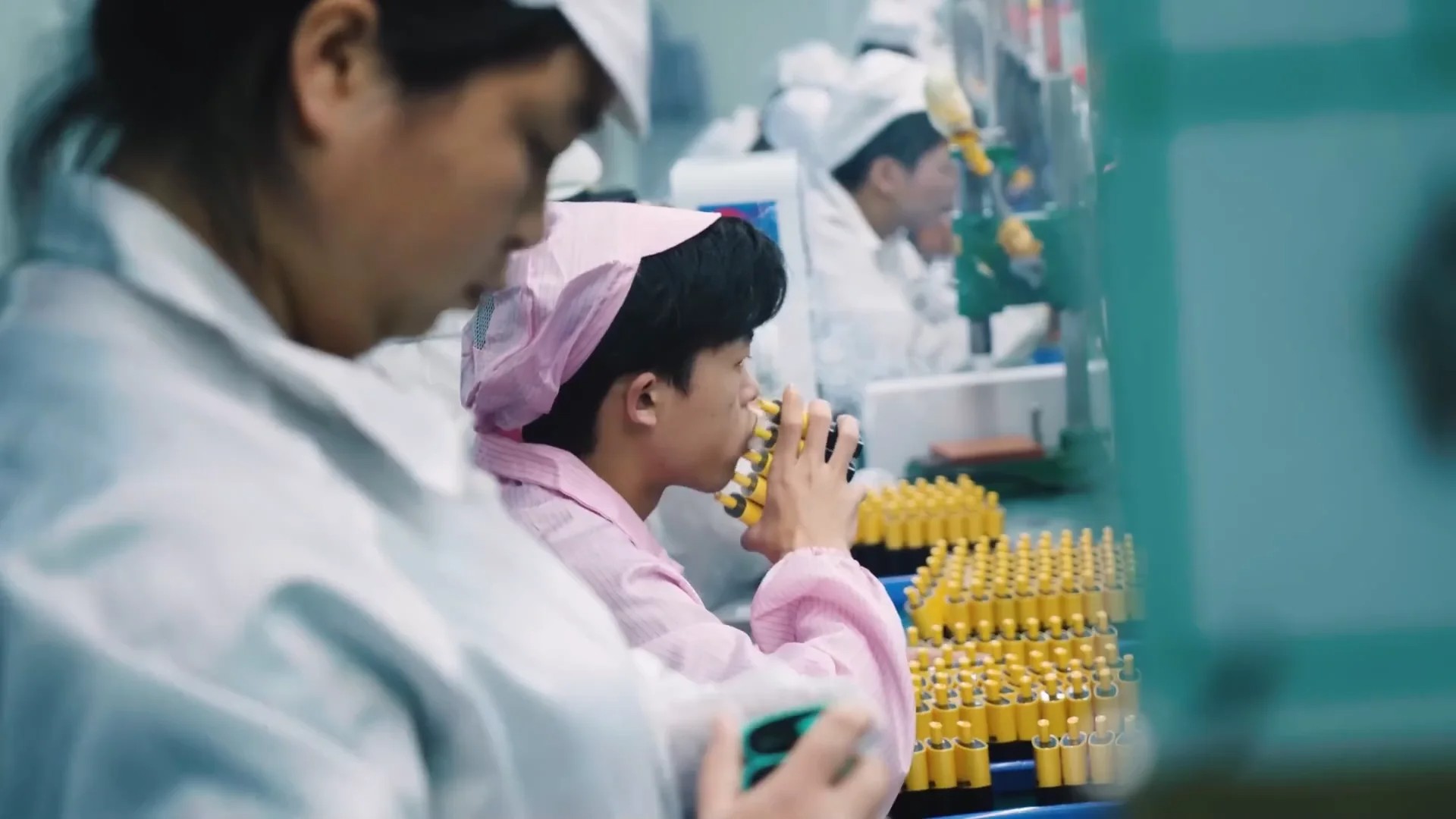
Assembly lines mix automation with focused manual oversight. Battery soldering connections get periodic tensile and visual checks for joints that hold up under transport vibration. Coil installation undergoes electrical and alignment confirmation to match target resistance ranges.
Filling stations monitor exact e-liquid volumes to prevent overfills that cause leakage or underfills that limit sessions. After sealing, pressure or vacuum leak detection evaluates enclosure integrity. Activation trials verify dependable firing on initial draw.
Inspections occur at set points or batch intervals. Deviations prompt immediate logging and line holds when patterns appear. Ongoing surveillance contains assembly variances before full completion, maintaining alignment with design intent.
Final / Pre-Shipment Quality Control (OQC/FQC)
Completed devices enter batch-wide testing. Puff simulation equipment runs draws to measure total output against targets, with some protocols adding longer inhales to better reflect consumer habits. Battery endurance under load confirms voltage stability without sudden drop-off.
Leak resistance testing uses pressure decay to detect subtle seal weaknesses that emerge after packaging or during shipment. Vapor assessment checks flavor persistence and density consistency across repeated use. Full functionality trials validate draw response, airflow feel, and indicator performance where present.
Acceptance sampling adheres to AQL guidelines. Failures trigger root-cause analysis, with quarantines applied to lots exceeding limits. Pre-shipment samples frequently go to external labs for contaminant screening or compliance verification required by target markets.
Certifications and Third-Party Verification
Regulatory alignment forms a non-negotiable layer. CE certification verifies electrical safety and electromagnetic compatibility. RoHS limits hazardous substances in components. FCC handles emissions for units with electronic features. MSDS documentation covers safe handling of e-liquids and batteries.
Many facilities adopt ISO 9001 frameworks for broader quality governance. Market-specific rules drive additional certifications, such as TPD volume restrictions in applicable regions. Independent labs provide objective validation of heavy metal content or nicotine accuracy, adding weight to records during buyer evaluations.
Common QC Tests and How They Prevent Real-World Failures
Pressure decay leak detection uncovers seal vulnerabilities that lead to seepage under storage or handling conditions. Battery cycling simulates repeated use to expose protection circuit weaknesses. Extended puff simulation reveals coil or wick degradation during sustained operation.
Flavor and vapor consistency checks identify formulation instability or heating irregularities that reduce performance over time. Contaminant screening flags sourcing risks, avoiding health-related recall scenarios. These tests collectively cut down on frequent complaints of leakage, flavor fade, or abrupt termination, improving stability in distribution networks.
How to Evaluate a Manufacturer’s QC When Sourcing Wholesale
Supplier discussions move forward with targeted questions. Request QC documentation from recent production runs, including sampling methods and corrective action records. Ask for defect rate data and handling procedures.
Seek documented procedures rather than general descriptions. Demand current certification copies and third-party test summaries. Hesitation to share information or inconsistent details signals potential gaps.
Reliable partners supply traceable batch records and accommodate audits. Facility visits reveal practical execution—calibrated equipment logs, orderly workflows, recorded inspections. Pre-production samples with attached test reports allow validation before volume commitments.
Shenzhen Vapehome Technology Co., Ltd – A Reliable Partner for Wholesale
Shenzhen Vapehome Technology Co., Ltd began operations in 2013 from its headquarters in Bao’an District, Shenzhen, within a 10,000 m² facility dedicated to disposable vape research, development, manufacturing, and sales. The company provides complete OEM/ODM services to multiple international brands, managing customized projects from initial design through scaled production.
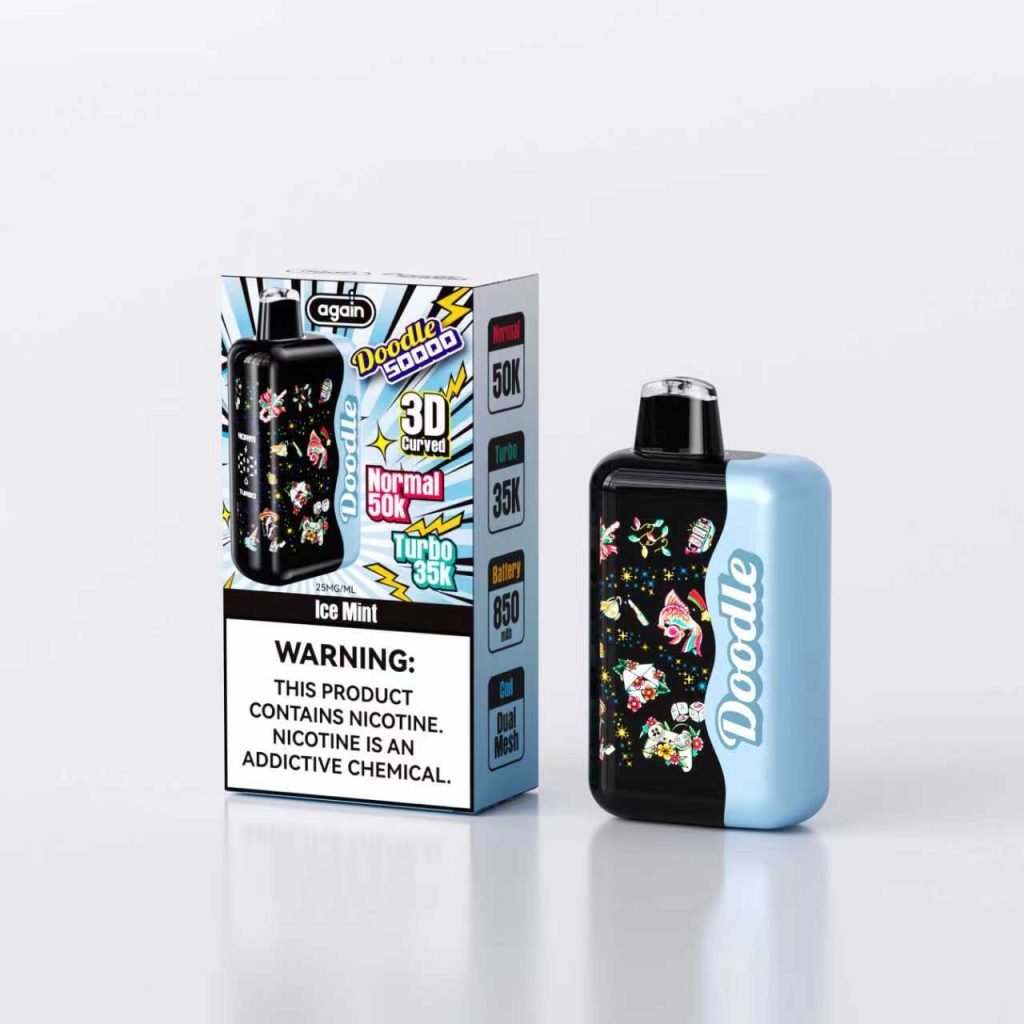
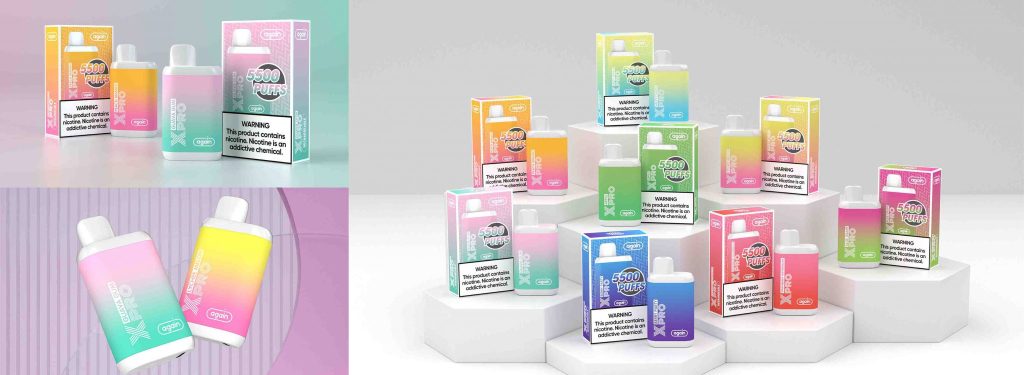
The Again brand launched in 2020 and now includes nearly ten original designs distributed in more than 20 countries. All proprietary products feature registered appearance patents and utility model patents, reflecting deliberate emphasis on protected innovation.
Quality procedures encompass systematic incoming material screening, continuous assembly monitoring, and thorough pre-shipment validation. Products comply with CE, RoHS, and FCC standards as baseline, with additional certifications arranged to meet regional requirements.
This infrastructure supports supply reliability, competitive terms, timely fulfillment, and attentive collaboration—core elements for long-term wholesale partnerships.
Conclusion
Quality control in disposable vape manufacturing operates as a progressive, integrated system that catches deviations at intake, maintains discipline during assembly, and verifies suitability prior to release. Wholesalers aligned with suppliers that execute incoming audits, in-process monitoring, detailed final validation, and certified compliance encounter reduced variability and higher end-user dependability. These practices separate stable sources from those vulnerable to production inconsistencies, enabling uniform inventory performance and sustained partnership value.
FAQs
What is incoming quality control in disposable vape manufacturing?
Incoming quality control in disposable vape manufacturing consists of detailed examination of raw materials—batteries, coils, wicks, e-liquids—upon receipt to confirm specification compliance and prevent defective inputs from entering assembly.
How do factories test for leaks in disposable vapes?
Factories test for leaks in disposable vapes through pressure decay or vacuum methods applied after sealing to identify seal weaknesses that could cause oil migration during storage, transport, or use.
What certifications should a reliable vape manufacturer have?
A reliable vape manufacturer should maintain CE for electrical and EMC compliance, RoHS for restricted substance control, and FCC for emissions management, plus any additional certifications required by target markets.
Why do some disposable vapes fail quality checks during production?
Some disposable vapes fail quality checks during production due to detected issues including coil resistance variation, wick absorption shortfalls, battery circuit defects, or e-liquid impurity levels surfaced in incoming, in-process, or final stages.
How can wholesalers verify a supplier’s disposable vape quality control process?
Wholesalers can verify a supplier’s disposable vape quality control process by obtaining detailed QC records, sampling protocols, defect metrics, certification evidence, and batch test summaries, combined with factory audit arrangements or pre-production sample reviews.