


Disposable Vape vs Pod System: Which One Makes More Sense for New Brands is not a casual “which one is better” argument. For a new brand, it’s a business decision with knock-on effects: how fast you can launch, how much cash you tie up in inventory, how many support emails you’ll get after the first wholesale drop, and how exposed you are when regulations or retailer requirements shift. Most comparison articles online lean consumer-first and stop at convenience, price, and “how it feels.” This one is written for brand founders, product managers, and wholesale buyers who need a decision they can explain to partners—and a launch plan that won’t unravel after month one.
If you’re new to the category, start with the basics of what’s available today in one place: Explore our product portfolio.
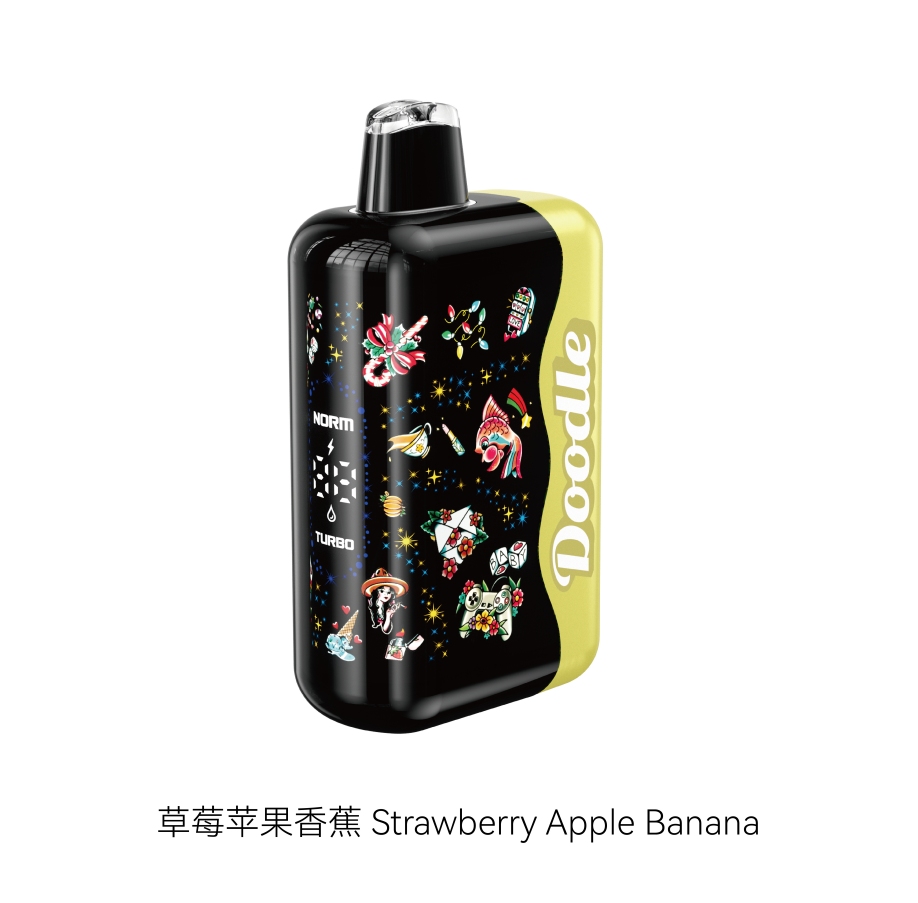
Answer: Disposable Vape vs Pod System: Which One Makes More Sense for New Brands
The honest answer is that neither format wins by default. The “right” choice depends on the constraint that will hurt you first.
If you’re trying to validate demand quickly, keep the launch simple, and get to a first reorder without building an accessory ecosystem, a disposable vape usually makes more sense early on. It’s a straightforward item for wholesalers to stock and for retailers to explain, and it can help a new brand learn which flavor families and nicotine strengths actually move in the real world.
If your bigger goal is repeat purchases over time, tighter control of customer experience, and a roadmap that can adapt as retailers and regulators lean toward reusable hardware, a pod system often makes more sense—especially if you have the discipline to manage cartridge supply, replenishment, and channel education.
In practice, many successful new brands treat this as a two-step path. They use disposables to prove demand and refine positioning, then add a pod system to build a long-term retention engine once they understand what the market will reliably reorder.
A 10-minute decision framework you can use without guesswork
What “makes more sense” becomes clear when you look at six decision levers.
Speed to market comes first. If you need to get on shelf quickly, the format with fewer moving parts and fewer SKUs typically wins. That’s often disposables. Cash flow comes next. If your business can’t absorb slow turns or a spike in returns, you pick the option that reduces inventory risk and after-sales friction. Then come compliance risk, channel fit, and supply continuity. Finally, you think about the roadmap: whether you’ll need to migrate customers and retailers to a reusable format later.
Everything that follows in this article maps back to those levers, because new brands don’t fail from choosing the “wrong” device type. They fail from choosing a type and then ignoring the operational realities that go with it.
What wholesalers mean by “makes more sense”
A distributor doesn’t care about your brand story if the product creates headaches. For wholesale buyers, the format that “makes sense” is the one that sells through with fewer defects, less ambiguity, and fewer arguments about what was promised. That means consistent product performance, clear packaging claims, predictable reorder cadence, and a returns process that doesn’t destroy margins. If you plan for those things upfront, the format decision gets much easier.
What people really mean when they search this comparison
Not everyone searching “disposable vape vs pod system” is a consumer. In B2B, there are usually three different searchers hiding behind the same query.
The founder is asking, “What should I launch first so I don’t burn six months and a big chunk of cash?” The distributor is asking, “What will my retailers reorder, and what will they send back?” The retailer is asking, “What can my staff explain in 20 seconds, and what will keep customers coming back without drama?” Your job, if you’re building a new brand, is to pick a format that answers all three questions well enough to scale.
Speed to market: which format launches faster for a new brand?
Disposable launch speed—and the hidden time sinks
A disposable launch is often faster because the customer doesn’t need extra parts, and the retailer doesn’t need to teach a system. You set the core spec, confirm packaging, and start selling. For new brands, that simplicity is a real advantage.
The time sinks show up when you skip discipline on specifications and quality gates. If you don’t define what “acceptable performance” looks like in receiving and you rely on a glossy spec sheet alone, you can end up spending your launch month handling leakage complaints, weak draw feedback, or disputes over performance claims. The fastest disposable launches are the ones that treat incoming inspection and batch traceability as part of brand building, not as bureaucracy.
Pod system launch speed—and why it can still be worth it
Pod systems typically take longer to roll out because you’re introducing an ecosystem. Even if you run a closed pod system, you’re managing device SKUs plus pod or cartridge SKUs, and you’re making promises about supply continuity. Retailers want to know they won’t be stuck with hardware that customers can’t find pods for next month.
That extra complexity can be worth it if your plan is built around repeat purchases and loyalty. When pods are consistently available, you get a cleaner retention loop. Customers don’t “finish and vanish” the way they often do with one-off disposables, and your brand can build a more stable reorder rhythm across wholesalers.
Unit economics: profit is not the same as cash flow
The per-unit margin trap in early distribution
A disposable can look attractive on paper because the unit margin can be straightforward. But early distribution is rarely clean. If you’re paying for expedited shipping, replacing DOA units, or eating credits to protect a retailer relationship, your margin math changes quickly.
The trap is thinking that a format with higher gross margin is automatically safer. For new brands, the safer choice is the one that keeps cash moving. If a product causes a wave of returns, your cash cycle can become brutal: you pay for inventory, wait for sell-through, then get hit with credits and replacements that eat into the next order.
Pod systems and repeat purchase math
Pod systems shift the economics because the margin lives in the pods over time. That’s appealing for a brand that wants durable customer value. But it’s also a commitment. You have to keep pods in stock, manage flavor assortments that retailers can handle, and avoid letting your catalog turn into a mess of slow-moving variants.
A practical way to compare is to think in “first 90 days.” In the first three months, disposables often win on simplicity and faster revenue recognition. Over a longer horizon, pod systems can win on retention—if your supply chain and channel education are solid.
A simple model you can run before you place a big PO
Take a realistic wholesale scenario and run two versions of it in your head. Assume a starting order size, a sell-through period, a return rate, and the cost of replacements and customer support. Now ask how the story changes if you need to keep pods replenished weekly, or if a disposable SKU slows down and ties up inventory for 60 days. The better choice is the one that survives stress without requiring heroics from your team.
Compliance and policy risk: the “right” choice changes by market
In some markets, disposable products are facing increasing scrutiny, and retailers are watching policy signals closely. Even if you’re not selling in those markets today, your distributor partners may ask about your roadmap because they don’t want to build a category plan that gets disrupted.
A reusable format like a pod system can reduce some forms of exposure, but it doesn’t eliminate compliance work. You still need documentation, labeling discipline, and the ability to respond when a market tightens requirements. The practical point for new brands is this: choose a format that fits your current market entry plan, and build a roadmap that leaves you options. A brand that can offer both device directions—disposables for speed, pods for longevity—has more resilience when market expectations shift.
Operations and returns: what breaks first at scale
What hurts disposables when you scale up
With disposables, returns and complaints often cluster around a few themes: leakage during shipping or storage, inconsistent draw activation, flavor drop-off, and performance that doesn’t match expectations across a batch. These aren’t just “quality problems.” They become relationship problems with wholesalers and retailers because the cost shows up as credits, replacements, and staff time.
New brands can protect themselves by tightening their receiving process. That means having clear acceptance criteria, keeping lot identifiers, and running quick checks when shipments arrive. It also means choosing product configurations that fit real-world use patterns, not just attractive headline numbers.
What hurts pod systems when you scale up
Pod systems usually break differently. The biggest pain is supply continuity. When pods aren’t available, retailers lose confidence fast, and customers walk. The second pain is SKU complexity. If you give retailers too many pod variants too soon, you end up with dead inventory and confused staff.
The cure is boring but effective: start with a tight lineup, maintain consistent replenishment, and build a channel plan that makes it easy to reorder. A pod system can be a powerful retention tool, but only if you treat pods as the real product and the device as the entry ticket.
Channel fit: choosing what your buyers will actually stock
Some channels favor simplicity. Convenience-style retail often wants fast-moving SKUs that don’t require education. That leans disposable. Specialty retail can support more explanation and may be better positioned to sell systems, accessories, and refills, which can make a pod system more viable.
Distributors also have preferences. Many want products that are easy to explain, easy to reorder, and less likely to create warranty disputes. If you’re entering through distribution, your first job is to make the buyer comfortable. That may mean leading with the format that creates fewer questions at receiving and fewer problems on the shelf.
For a clean starting point, it helps to keep your launch grounded in what your manufacturer already supports across both categories. You can review the full lineup here: Browse all products.
A practical launch roadmap that keeps your options open
If you start with disposables, design the launch so you can migrate later. Keep brand cues consistent, build a flavor naming system that can carry into a pod lineup, and avoid one-off packaging claims that are hard to defend across batches. When the time is right, introduce a pod system that mirrors your best-selling disposable profiles so retailers and customers recognize the transition.
If you start with a pod system, remove friction early. Make the lineup simple, keep pods available, and educate retailers with clear talking points about how the system works and why it’s worth carrying. Your first job is not to be “fancy.” It’s to be dependable. Once the channel trusts that you can supply and support the system, you can expand.
About Shenzhen Vapehome Technology CO.,Ltd
Shenzhen Vapehome Technology CO.,Ltd was established in 2013 and focuses on R&D, manufacturing, and sales for vape products, with OEM/ODM support as a core part of the business. The company positions its work around stable production capability, quality control throughout manufacturing, and support for market-specific documentation and cooperation with third-party testing when needed. For brand teams and wholesale buyers, that matters because a format decision is only as good as the factory’s ability to deliver consistent lots, support clear specifications, and keep supply predictable as you scale.
You can learn more about the company background and capabilities here: About Shenzhen Vapehome Technology CO.,Ltd.
Conclusion
Disposable Vape vs Pod System: Which One Makes More Sense for New Brands comes down to your first constraint. If you need speed, simple retail execution, and fast learning, disposables usually give you the cleanest runway. If you need repeat purchases, long-term resilience, and a roadmap that can flex with market expectations, a pod system can be the smarter foundation—provided you can manage pod supply and keep the SKU set tight. Many new brands do best by planning for both: a fast disposable start with a clear bridge to pods once demand and channel fit are proven.
FAQs
“Disposable vape vs pod system: which one makes more sense for new brands with limited cash?”
For limited cash, the format that reduces inventory risk and return exposure usually makes more sense. Many new brands start with disposables because they can validate demand with fewer moving parts, then reinvest into a pod roadmap once they have clearer reorder patterns and fewer unknowns.
“Disposable vape vs pod system: which one makes more sense for new brands selling through distributors?”
If distributors are your primary route, simplicity and predictable sell-through matter. Disposables can be easier to place early, but only if batch consistency is strong and performance claims are defensible. If your distributor expects a longer-term program and can support system education, a pod system can work—especially when pod availability is reliable.
“Disposable vape vs pod system: which one makes more sense for new brands that want repeat customers?”
Pod systems often make more sense when repeat purchase is the priority because pods create a replenishment loop. The key is keeping the cartridge lineup manageable and maintaining supply continuity so retailers can reorder without delays.
“Disposable vape vs pod system: which one makes more sense for new brands in the UK?”
The UK is a market where policy signals and retailer expectations can influence format decisions. If you plan to operate there, it’s smart to build a roadmap that includes reusable options. Some brands start with disposables for speed but plan an orderly move toward pod systems to stay flexible as requirements and retailer policies evolve.
“Disposable vape vs pod system: which one makes more sense for new brands that need a fast launch?”
If the core requirement is speed to shelf, disposables usually make more sense because they’re a single-item sale with fewer dependencies. Just don’t skip the basics—clear specs, receiving checks, and traceability—because the fastest launch can become the fastest return wave if quality gates are weak.
