Disposable vapes reaching 2026 have made coil choice a central factor in how reliably flavor and vapor hold through extended puff counts. Mesh coil versus regular coil emerges as the primary technical split that procurement teams evaluate when sourcing devices for consistent end-user satisfaction. Mesh coils rely on a flat, porous metal sheet to distribute heat across a broad area with rapid, uniform contact to the wick, whereas regular coils depend on a single wire wound into a compact spiral that focuses heat along a limited path. In fixed, pre-filled disposable constructions, this structural variance influences draw quality from the opening puffs right through to the device’s rated limit.
Distributors track these distinctions through return data and repeat orders. Devices maintaining stable output across heavy daily sessions cut down on retailer frustrations and support steadier inventory turnover. The sections ahead outline the engineering realities and field-observed variances that have sharpened as capacities push higher and formulations adapt to demanding use cases.
What Are Mesh Coil and Regular Coil? Core Differences in Disposable Scenarios
Regular coils consist of a single continuous wire—commonly kanthal or nichrome—coiled tightly around a cotton wick or equivalent material. These suit compact, lower-resistance disposables geared toward mouth-to-lung inhalation patterns that replicate conventional smoking draws. Heat concentrates along the wire’s length, performing adequately under restrained power but prone to developing localized overheating during prolonged or intensive sessions.
Mesh coils employ a stamped metal mesh, typically stainless steel, creating a net-like structure with substantially increased surface exposure to the wick. This configuration promotes even e-liquid saturation and controlled temperature gradients. Manufacturers integrate mesh into restricted direct-to-lung or adjustable draw disposables to achieve denser vapor while avoiding excessive heat spikes.
The inherent limitations of disposable formats—non-adjustable power delivery, sealed reservoirs, and zero maintenance—magnify these contrasts. Regular coils frequently exhibit wick dry-out in later stages, resulting in diminished taste profiles or incidental burnt notes. Mesh coils facilitate more balanced liquid delivery across the heating element, postponing performance decline and aligning actual usability closer to advertised puff totals.
2026 Advancements in Mesh Coil Technology for Disposables
Mesh coil applications have progressed markedly into 2026. Single mesh configurations continue as a reliable baseline in numerous mid-range disposables, offering clear gains over conventional wire designs. Dual mesh arrangements—layered or side-by-side elements—appear more frequently in performance-focused models, amplifying surface area and preserving quick heat-up characteristics despite declining battery voltage.
Select implementations combine mesh with variable airflow mechanisms, enabling shifts between restricted mouth-to-lung pulls suitable for higher-nicotine formulations and freer direct-to-lung draws that prioritize cloud density. Such adaptability allows distributors to maintain leaner SKU counts while addressing varied market segments.
Regular coils endure in entry-level and space-constrained disposables driven by cost considerations. In units exceeding 8,000 puffs, however, regular coils display accelerated inconsistency: taste degradation hastens, and vapor density decreases prematurely. Mesh counters these tendencies via prolonged uniform thermal distribution, positioning it as the standard for lines emphasizing dependable multi-day performance.
Performance Comparison: Mesh vs Regular Coil in 2026 Disposable Vapes
Comparative evaluation highlights practical divergences under typical consumption—150 to 300 puffs daily across 5,000 to 15,000 puff ratings.
Flavor intensity and consistency differentiate early. Mesh coils generate vivid, nuanced profiles from initial activation, preserving distinct notes well past mid-life. Regular coils yield satisfactory starting flavor that commonly dulls or introduces off-flavors after 60–70 percent of rated puffs, stemming from uneven thermal exposure.
Vapor production mirrors the pattern. Mesh yields thicker, smoother clouds through expanded heating coverage, frequently delivering 40–70 percent greater visible output at equivalent power settings. Regular coils produce sufficient volume but thinner results, especially evident with higher-VG compositions prevalent in disposables.
Ramp-up duration shortens considerably with mesh—generally below half a second to peak vapor—contrasting 1–2 seconds typical of regular coils. This near-instantaneous delivery enhances perceived responsiveness in frequent-use scenarios.
Coil durability links directly to sustained output. Mesh preserves flavor clarity and vapor quality farther into the puff range, whereas regular coils more readily introduce burnt characteristics earlier, compressing effective lifespan.
Dry hit incidence falls substantially with mesh. Distributed heating minimizes localized scorching of wick material, a recurring issue in regular coils during extended or high-demand operation.
Battery and e-liquid utilization differences have moderated in contemporary builds. Refined mesh designs optimize current draw, narrowing runtime disparities relative to prior iterations.
Pricing aligns with capability tiers. Mesh-integrated disposables fall into mid-to-premium brackets, regular coil variants target value-oriented channels. Bulk sourcing weighs marginal expense against enhanced feedback metrics and lowered post-sale resolution needs.
Which Coil Matches Your Vaping Habits? Practical Scenarios for Buyers
Sourcing aligns with projected user patterns.
High-volume users surpassing 200 puffs per day derive greatest advantage from mesh coils. Persistent flavor fidelity and robust vapor extend device viability, curbing abrupt performance drops that erode repeat purchases.
Infrequent or mouth-to-lung oriented users find regular coils sufficient. These deliver predictable throat sensation and economical battery consumption in restrained configurations.
Cost-sensitive procurement favors regular coil models for baseline assortments. Distributors observe elevated issue reports when such devices encounter usage beyond light patterns.
Versatile ranges benefit from mesh with airflow adjustability, covering nicotine salt preferences through tighter draws to vapor-focused looser settings, thereby optimizing stock efficiency.
How to Spot Quality Mesh Coil Performance in Disposable Vapes
Mesh coil execution differs significantly between producers. Subpar mesh density or inferior wicking compromises theoretical benefits, accelerating decline.
Initial indicators appear on labeling and technical sheets: explicit single, dual, or multi-mesh references alongside puff claims exceeding 5,000 suggest deliberate engineering. References to premium cotton, engineered airflow routing, or visual coil details further inform assessment.
Field verification proves decisive. Following 50–100 successive draws, superior mesh retains clean palatability absent burnt residuals or abrupt muting. Inferior executions falter under equivalent stress.
Dependable partners furnish supporting metrics and stress uniform heating via documented protocols. These elements assist procurement in sidestepping stock that underdelivers in practical deployment.
About Shenzhen Vapehome Technology CO.,Ltd
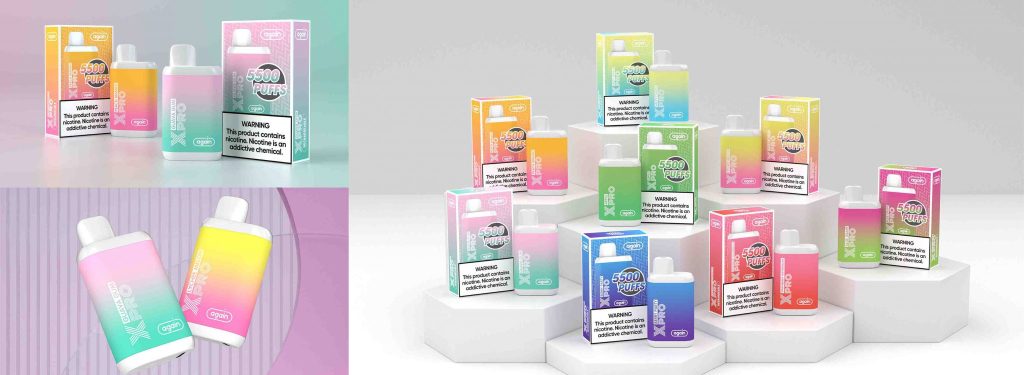
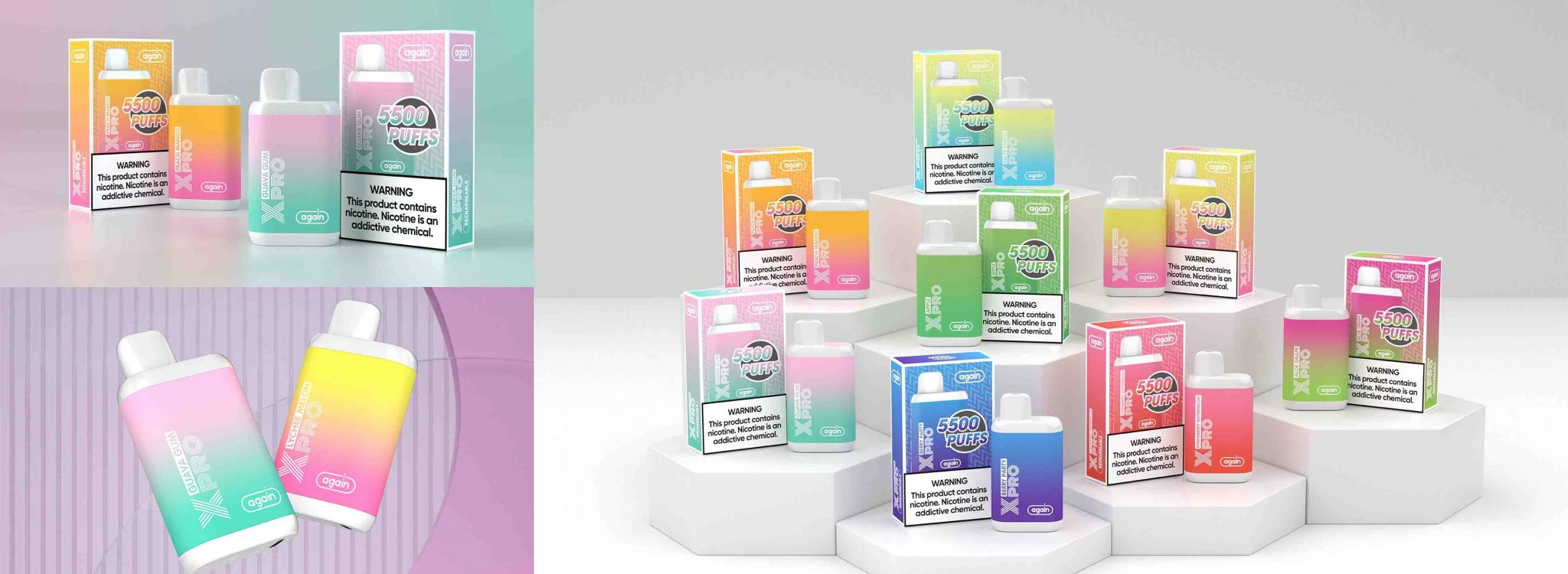
Shenzhen Vapehome Technology CO.,Ltd contributes established expertise to disposable development. Operating since 2013 from a 10,000-square-meter site in Bao’an District, Shenzhen, the facility concentrates on research, manufacturing, and international supply of disposable vapes. An engineering staff oversees comprehensive quality protocols across material intake through outbound inspection, achieving CE, RoHS, and FCC standards. The emphasis on OEM and ODM collaborations yields protected proprietary designs supported by patents in appearance and utility. The “again” brand series reaches distribution in over 20 countries, underscoring proficiency in reliable, performance-driven disposables. Models including again X PRO and again Z PRO integrate refined mesh coil setups that embody continued progress in flavor stability and extended consistency.
Conclusion
Mesh coil technology establishes the prevailing standard for disposable vape performance in 2026. Uniform heating, swift activation, enduring flavor accuracy, and prolonged reliability confer distinct advantages in contexts demanding sustained quality over thousands of draws. Regular coils fulfill economical, uncomplicated requirements adequately, yet they lag where extended lifespan and user contentment predominate. Procurement strategies favoring mesh in elevated puff categories synchronize with dominant market directions and foster durable retailer partnerships.
FAQs
Is mesh coil worth the extra cost in disposable vapes in 2026?
Moderate to heavy consumption patterns justify the investment via superior flavor persistence, increased vapor density, and diminished premature failures. Higher-capacity units demonstrate clearest value through lowered returns and elevated reorder frequency.
Do all mesh coil disposables perform the same way?
Outcomes vary according to mesh construction quality, wick composition, and design integration. Dual mesh variants supported by effective airflow and thorough validation typically outperform simpler single mesh approaches, notably in extended puff phases.
How long does a mesh coil last in a disposable vape compared to regular?
Mesh coils uphold reliable flavor and vapor production deeper into rated capacities—frequently sustaining standards through the concluding 20–30 percent—whereas regular coils introduce burnt or attenuated characteristics considerably sooner under parallel conditions.
Should beginners choose mesh or regular coil disposables?
Regular coils accommodate novices pursuing uncomplicated mouth-to-lung draws with conventional throat impact and modest power requirements. Mesh suits progression toward enhanced taste complexity or vapor volume, with adjustable airflow facilitating gradual adaptation.
Why do some mesh coil disposables still burn out faster than expected?
Deviations arise primarily from reduced mesh robustness, insufficient wick performance, or incompatible e-liquid properties. Products originating from suppliers enforcing stringent quality oversight and precise coil optimization encounter such discrepancies markedly less often.