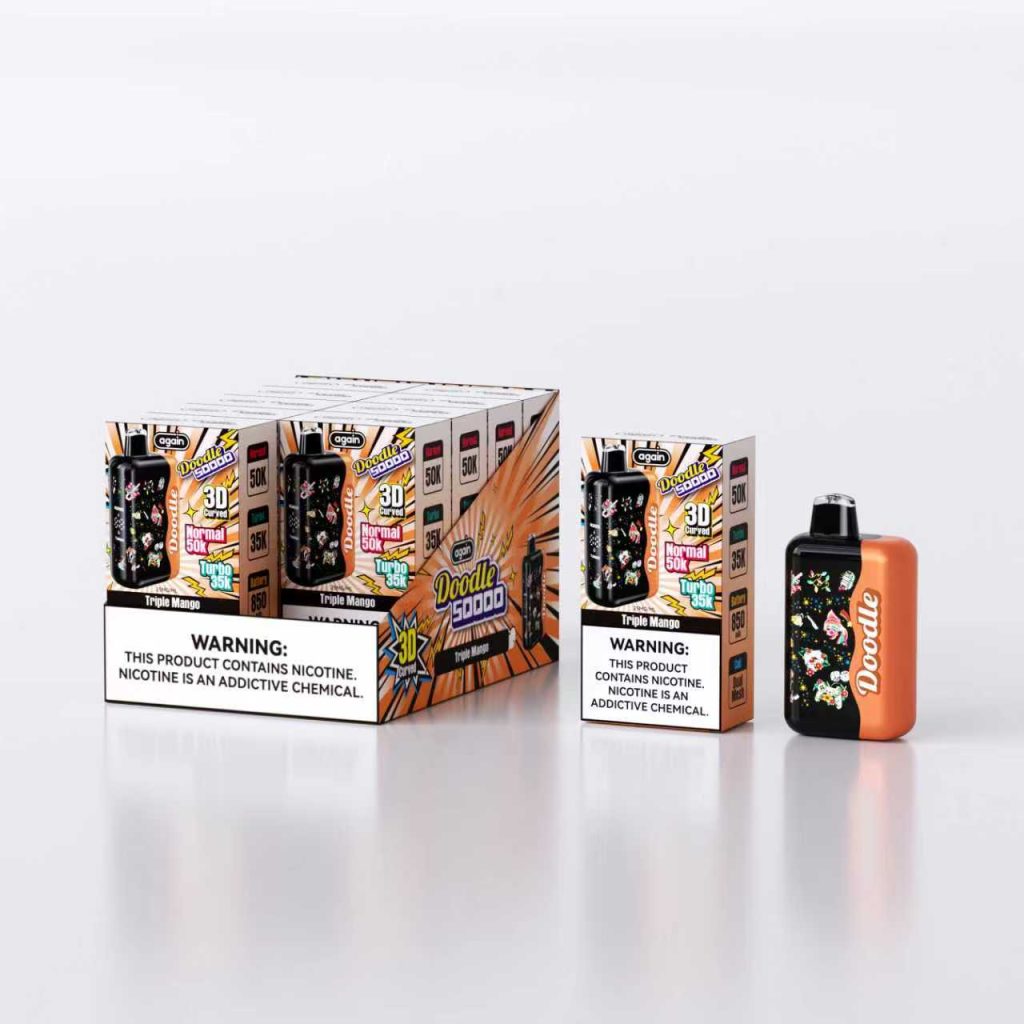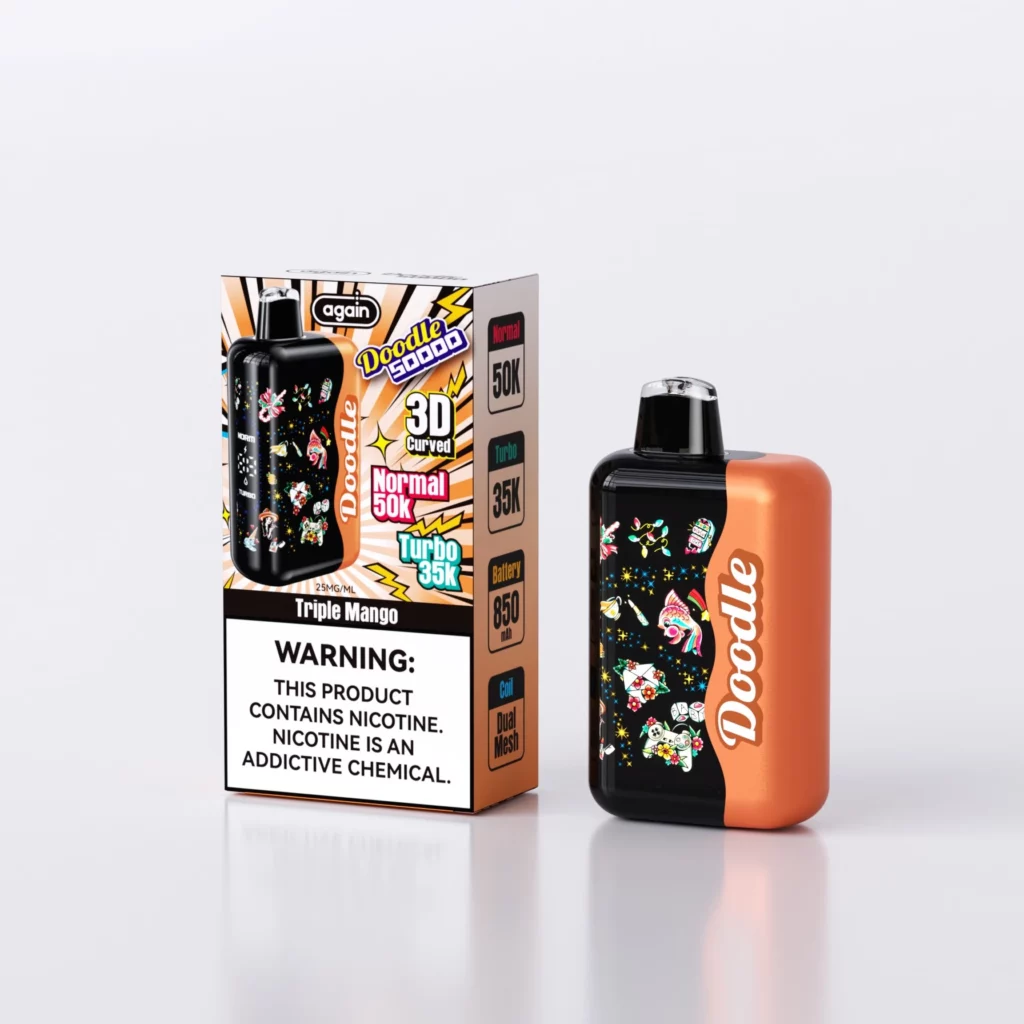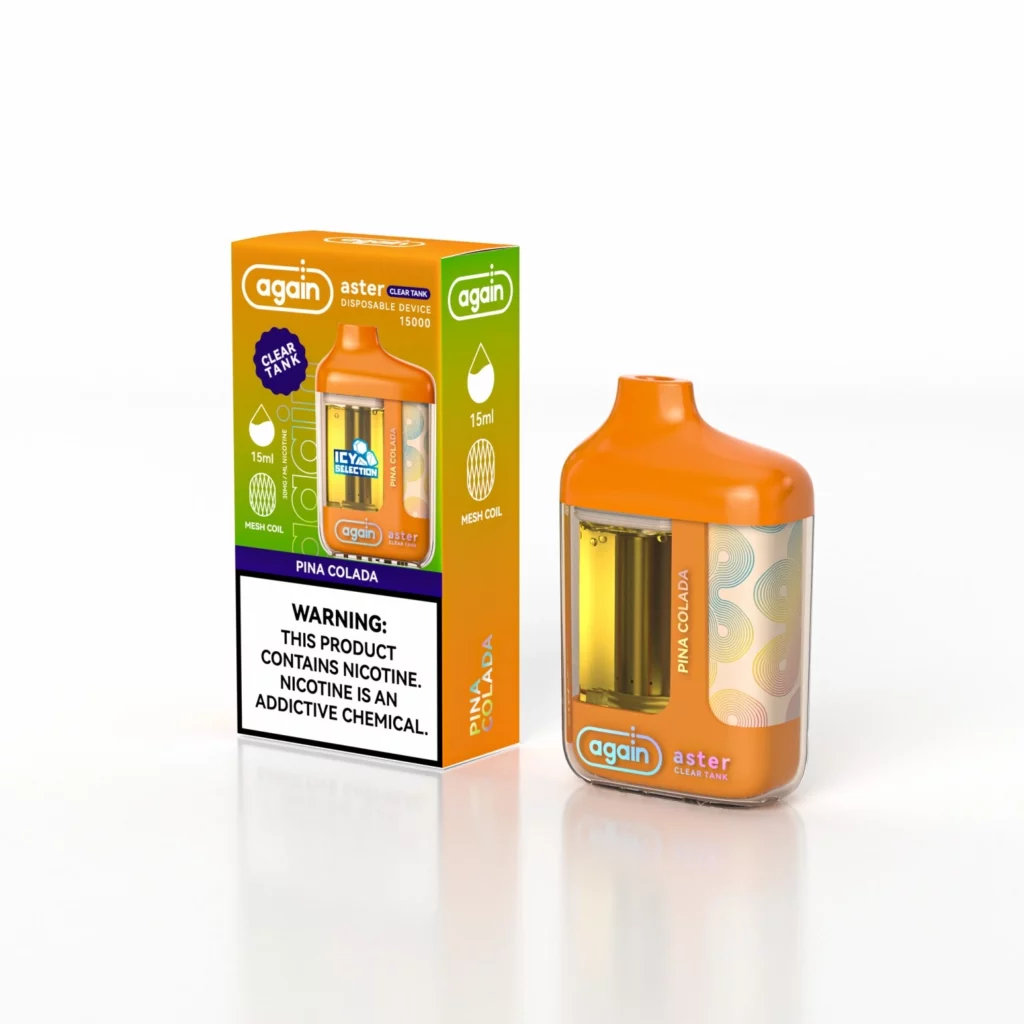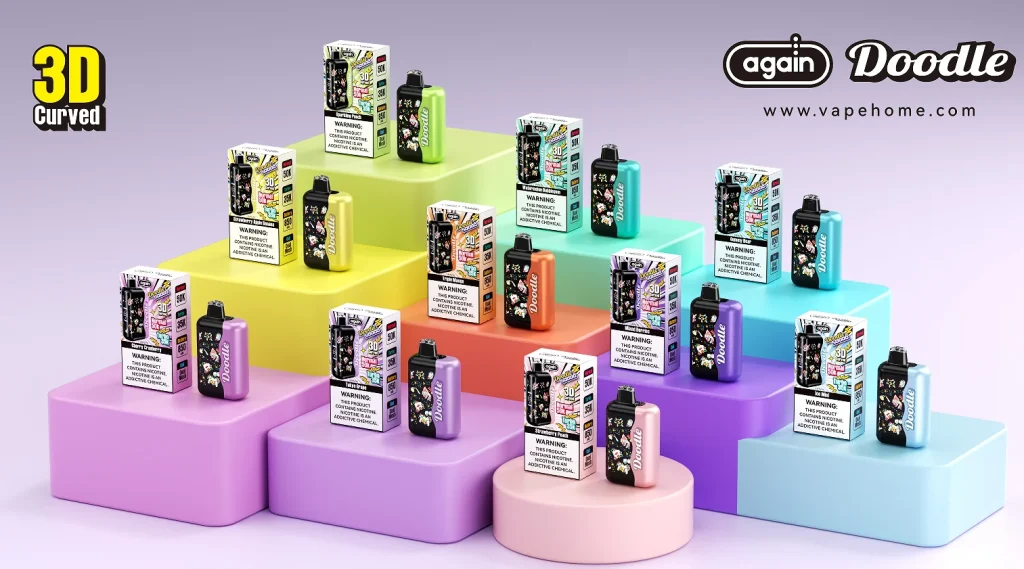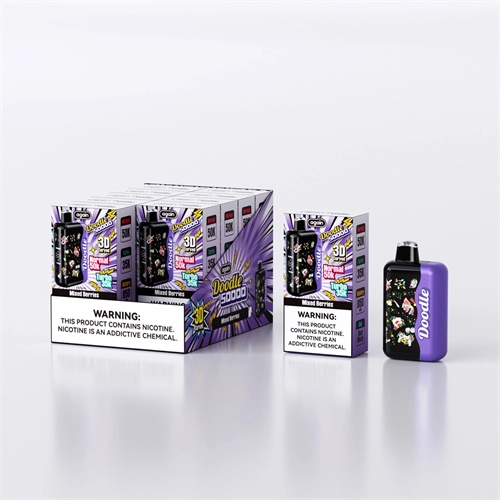
Disposable vape regulations have kept moving in a more restrictive direction through 2026, with high-puff disposables—those usually rated at 5,000 puffs or above—taking the heaviest regulatory load from policies focused on youth access prevention, electronic waste management, and overall nicotine delivery control. This examination of the 2026 disposable vape regulations map targets high-puff disposables specifically, pointing out regions where import, sale, or distribution still operates under compliance conditions that remain practical for the time being. Factories, export teams, and channel partners stay on top of these shifts to cut down on risks of multi-week customs delays, forced stock clearance, or complete market exit.
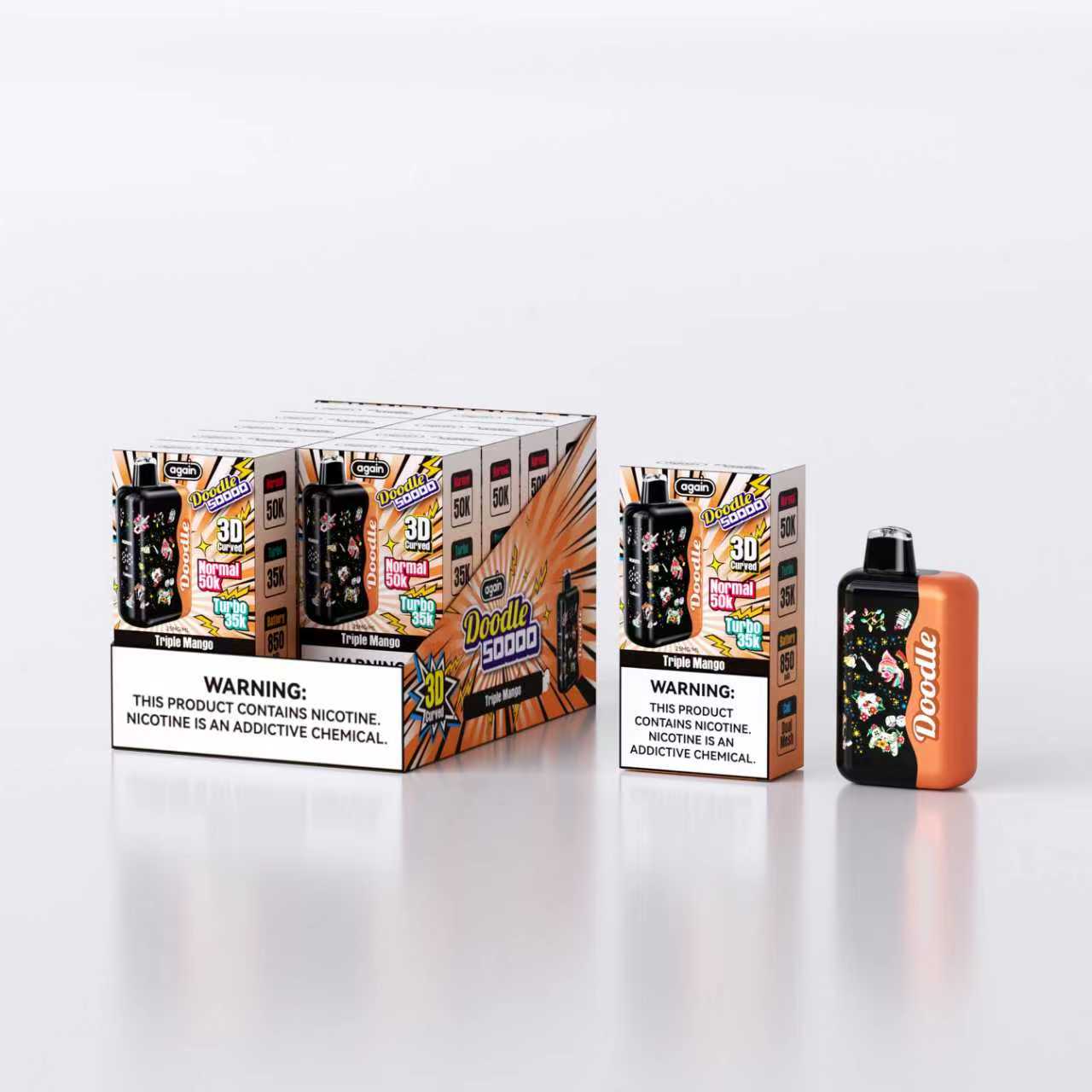
High-puff disposables earned their place in the trade by giving adult users long-lasting sessions without constant recharging or maintenance, meeting the clear preference for reliable, no-fuss performance. That same extended capacity has triggered stronger regulatory response, however, due to concerns about accumulated nicotine exposure, larger quantities of discarded single-use components, and design features that authorities regard as carrying added risk. Markets that have put disposable bans in place commonly see category volumes drop 40 percent or more in the first quarter after the rules take hold, while refillables pick up only part of the slack through higher pricing and gradual user adjustment.
2026 Disposable Vape Regulations Quick Overview – Why High-Puff Is Hit Hard
High-puff disposables continue carrying the greatest share of regulatory impact in the present environment. The United Kingdom rolled out its full single-use ban on June 1, 2025, cutting off retail for devices that go beyond established technical boundaries. France brought its prohibition into force from February 26, 2025, and Belgium started the wider European movement on January 1, 2025. Romania’s disposable restriction began January 1, 2026, keeping up the steady continental push toward category removal.
The much larger e-liquid volumes in high-puff models—frequently four to five times the Tobacco Products Directive’s 2-milliliter limit—lead regulators to stress higher consumption patterns and greater waste production. Data gathered from markets after bans shows dependable 35 to 45 percent falls in total vape sales volume during the first quarter, although better-margin refillable lines recover some ground through improved average revenue per unit.
Vietnam applied a total ban on both sale and possession from January 1, 2025. In the United States, state registries combined with flavor controls have steadily pushed many high-puff imports out of compliance without the necessary pre-market approvals or state listings. California’s unflavored tobacco product list reached full enforcement on January 1, 2026, requiring clear registry inclusion for any device to be legally sold in the state’s retail or online channels. These stacked requirements have ramped up border checks, typically leading to three-to-four-week holds on non-compliant shipments and some outright seizures.
2026 Global High-Puff Disposable Vape Regulations Map
Color mapping the regulations lays out the differences in stark terms. Green zones mark areas where high-puff disposables still have workable legal channels for sale and import, with compliance generally limited to age verification, nicotine caps, and routine safety standards. Yellow zones represent markets with added layers—registration processes, flavor restrictions, or taxes—that allow high-puff devices to reach market when conditions are satisfied. Red zones signal full prohibitions or heavily enforced territories where business risks climb quickly.
Green zones show up mainly in the Middle East, certain Latin American countries, and selected African markets. The United Arab Emirates runs a licensing system that supports high-puff disposables as long as nicotine stays under 20 milligrams per milliliter and products pass local checks. Saudi Arabia uses a parallel regulated setup that facilitates organized distribution. China remains the central export source, with production lines set to international standards and shipments controlled by export nicotine rules.
Yellow zones cover sections of Southeast Asia and parts of Eastern Europe. Indonesia allows disposables through required tax stamps, health warnings, and retail age verification, without a blanket ban as of January 2026. In Latin America, Colombia and Peru clear high-puff imports when paperwork meets customs standards, providing solid routes for compliant suppliers.
Red zones take in most of Western Europe, the United Kingdom, Australia, Singapore, India, and Thailand. These markets ban disposables completely or limit them to prescription therapeutic channels. The United States shows regional variation, with some states keeping registries open while others—especially California after January 2026 enforcement—impose strict approval processes for high-puff formats.
Country Breakdown – Where High-Puff Disposables Are Still Legal or Viable in 2026
Asia keeps several steady pathways for high-puff disposables. China’s export manufacturing continues supplying approved destinations under tight quality controls. The United Arab Emirates and Saudi Arabia serve as dependable Middle Eastern outlets where licensed channels stock 5,000-plus puff devices aimed at adult consumers. Indonesia supports disposables through registration and labeling rules, with enforcement centered on preventing underage access rather than category-wide bans.
Latin American markets like Colombia and Peru maintain steady interest in extended-use formats among users shifting from traditional tobacco. Some African countries with lighter oversight, particularly in East and West Africa, show developing potential, though supply logistics and payment systems need careful setup.
Europe’s main markets stay mostly restricted. The United Kingdom’s 2025 ban closed local retail for single-use products. France and Belgium acted earlier in the year. Romania’s January 2026 restriction fits the European pattern of disposable curbs. U.S. importers deal with state-by-state differences; high-puff devices missing from approved registries face port denials or fines up to $10,000 per violation in tougher jurisdictions.
Key 2026 Changes & Trends Affecting High-Puff Vapes
Early 2026 saw several important updates. Romania’s disposable ban started January 1. Malaysia has signaled intentions to widen its vaping restrictions later in the year. Several U.S. states updated registries to require more data on battery safety and aerosol composition for high-puff submissions. Larger e-liquid capacities bring extra scrutiny under waste and safety rules.
Trade reports show markets still permitting disposables registering 20 to 30 percent higher high-puff demand in the opening months of 2026, as users in restricted areas look for compliant cross-border or alternative channels. Established operators focus on documented compliance to keep supply lines intact and prevent expensive disruptions.
Actionable Solutions: Where & How to Buy High-Puff Disposables Legally in 2026
Supply-chain operators should choose manufacturers with solid export experience and current certifications for target markets. In places like the United Arab Emirates or Colombia, importers do better by working with suppliers that manage CE, RoHS, FCC, and local approvals ahead of time. Clear declaration of nicotine and puff counts helps keep customs rejections to a minimum.
Travelers to permissive markets should check local retail availability and follow lithium battery airline rules. Working with regulatory advisors familiar with specific destinations cuts compliance risk.
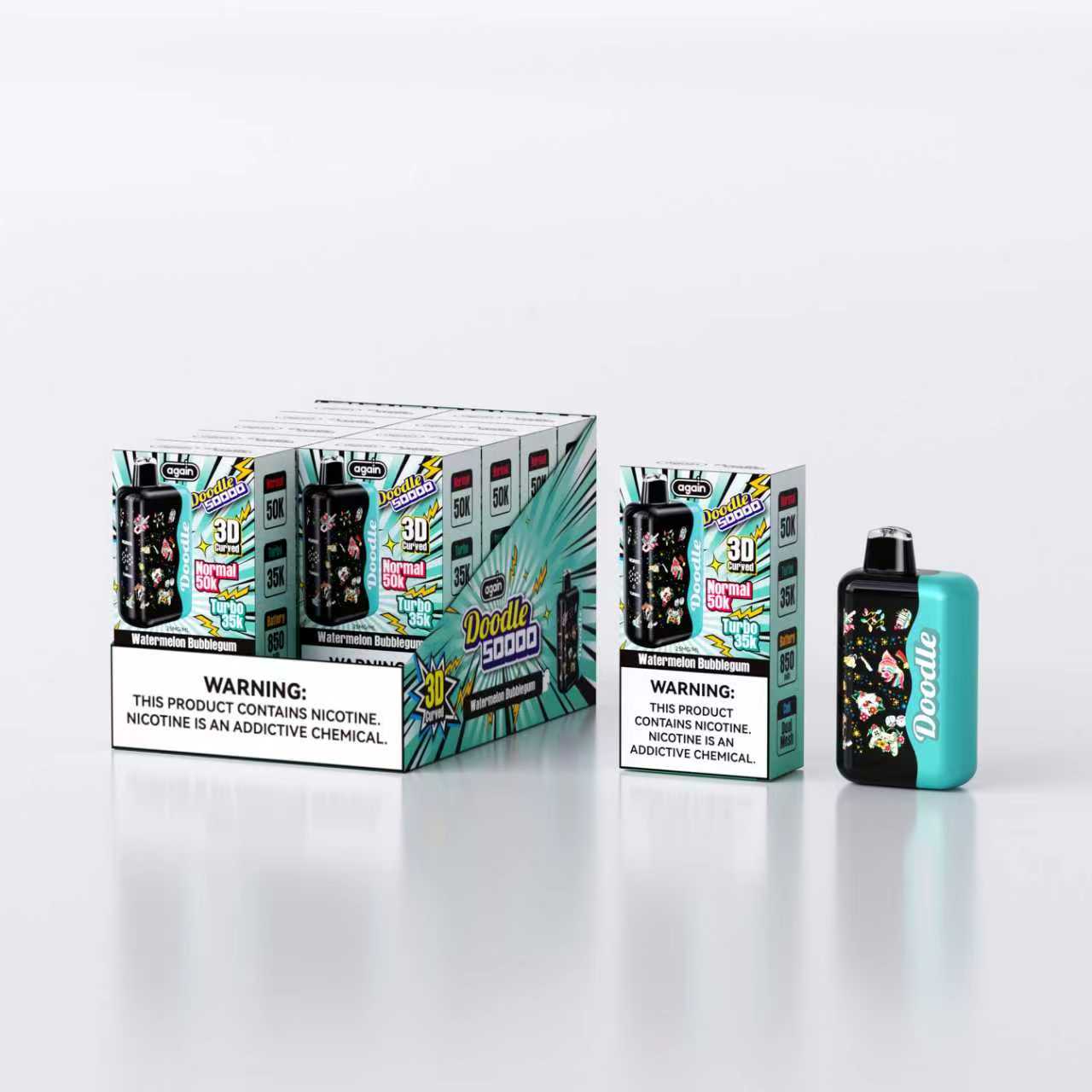
Shenzhen Vapehome Technology CO.,Ltd
Shenzhen Vapehome Technology CO.,Ltd, established in 2013 and based in Shenzhen, China, concentrates on the research, development, manufacturing, and global distribution of disposable vape products. The company runs a 10,000-square-meter facility with complete quality controls from raw material inspection through assembly monitoring to final testing. It holds CE, RoHS, and FCC certifications while supporting additional market-specific approvals. The branded line introduced in 2020 has reached more than 20 countries. OEM and ODM services form the backbone of operations, providing patented designs and scalable production to international partners.
Conclusion
High-puff disposable vapes face major regulatory pressure in many regions during 2026, yet carefully selected markets still provide realistic opportunities. Businesses that keep pace with policy changes, work with compliant manufacturing partners, and adjust sourcing plans accordingly can continue meeting legitimate adult demand while keeping risks under control.
FAQs
Is high-puff disposable vape legal in the UAE in 2026?
High-puff disposables remain available for licensed sale in the United Arab Emirates when nicotine concentration stays below 20 milligrams per milliliter and products meet local safety and labeling standards. Distribution approvals are necessary for importers.
How do I import high-puff vapes legally from China to Latin America?
Select suppliers that provide full export documentation, including conformity certificates and commercial invoices. Colombia and Peru generally accept high-puff disposables when shipments include required warnings and follow customs procedures.
What are the latest changes in US state regulations for disposable vapes 2026?
California enforced its complete unflavored product list on January 1, 2026, with additional states tightening registry requirements. High-puff models must be on approved lists to avoid sales restrictions or penalties.
Where can businesses still source 5500 puff disposables legally in 2026?
Viable markets include the United Arab Emirates, select Latin American countries, and China for export. Suppliers maintaining current certifications support smoother procurement in these regions.
Are there restrictions on high-puff disposable vapes in Indonesia 2026?
Indonesia permits disposable sales with required tax stamps, health warnings, and age verification. No full ban on the category applies as of January 2026, though enforcement focuses on preventing youth access.