


Distributor feedback can reveal a product issue, a market opportunity, or simply a communication gap. The difficult part for a vape brand is deciding what the feedback means and turning it into a factory request that can be reviewed, quoted, and tracked. Passing along an unstructured message such as “customers want a better version” rarely gives a factory enough information to act consistently.
A clear change process helps the brand protect the approved product while still learning from distributors. It also gives the factory a defined request instead of a series of disconnected conversations.
What Should a Brand Capture Before Contacting the Factory?
The first step is to turn feedback into a useful record. The brand should note the market, distributor type, product model, version, date, and the exact issue or request. It should also distinguish direct customer observations from the distributor’s proposed solution. A request for a different device feature may be only one possible answer to a broader concern about product choice or presentation.
The record should identify whether the issue concerns a disposable vape, a pod system, packaging, sales information, or another part of the commercial offer. This prevents feedback about one category from being copied into an unrelated product project.
How Can the Brand Separate Evidence From a Proposed Fix?
A factory needs to know what happened before it can assess a change. The brand can separate the record into three parts: observed situation, likely business effect, and proposed action. For example, a distributor may report that a variant is difficult to explain at the counter. That is different from immediately requesting a new model name or a new package.
Describe the Commercial Situation
Useful context includes where the product is sold, which buyers are involved, and whether the feedback is isolated or repeated. The brand should avoid presenting a single comment as a confirmed market trend. A small number of observations can still justify review, but the level of urgency should remain clear.
Define the Requested Factory Review
The request should state what the factory is being asked to assess. It might involve a sample comparison, a packaging review, a variant feasibility check, or a document update. If the brand is not yet sure what action is appropriate, it can ask the factory to identify possible options and the information needed for each one.
What Information Should the Factory Return?
A useful factory response should identify the affected version, the information reviewed, any production or documentation impact, and the next decision required from the brand. The response does not need to promise that every request can be implemented. It needs to make the options understandable so the brand can choose deliberately.
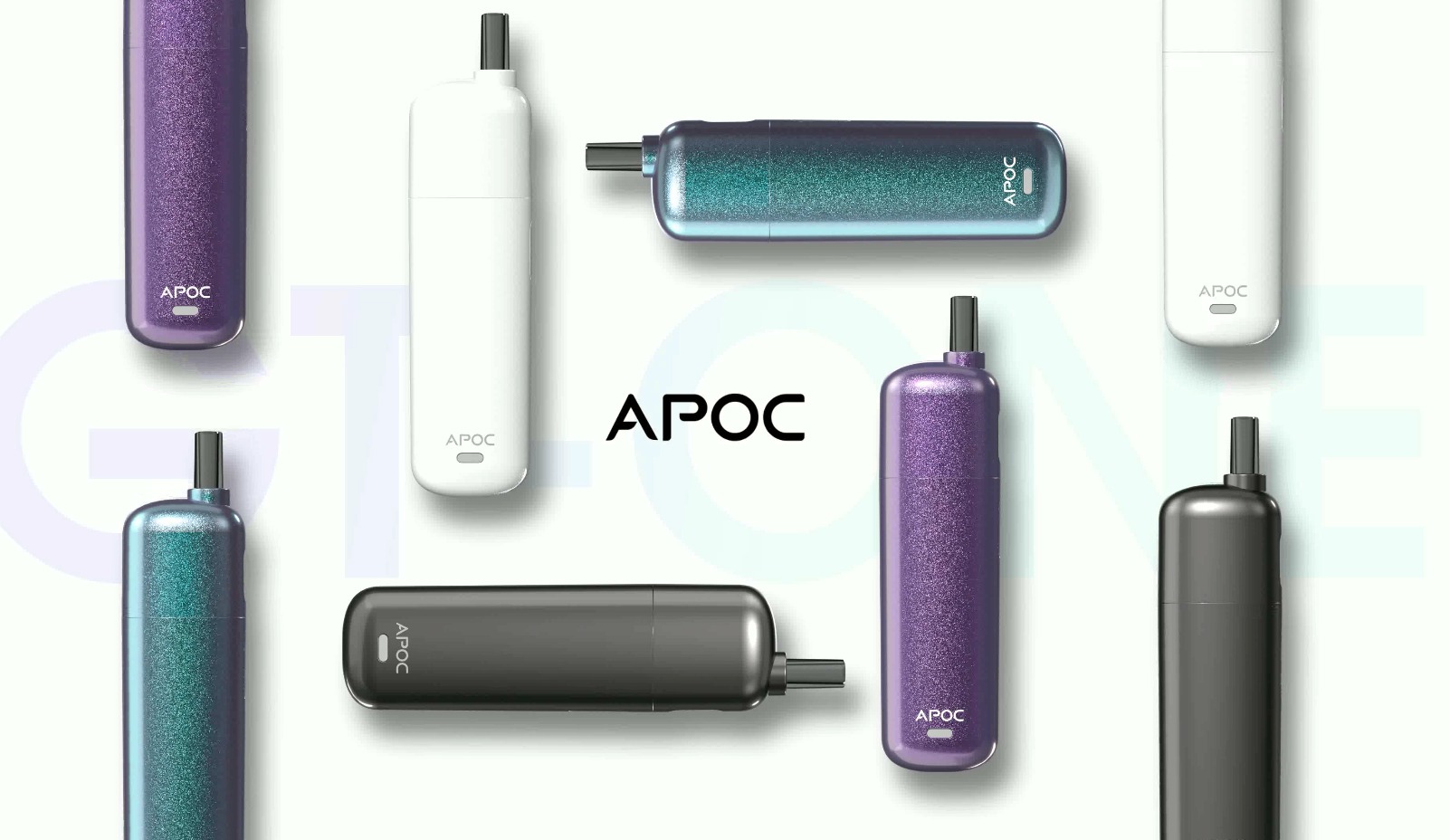
For example, feedback connected to the APOC GT-ONE Refillable Pod Vape Kit should be assessed against that model’s approved configuration. A general comment about refillable products should not silently change the project reference.
How Should a Brand Approve or Reject a Change?
The brand should record a clear outcome: accept, request more evidence, defer to a future version, or reject. If the change is accepted, identify the new version and the files that must be updated. If it is deferred, record why and whether the feedback should be reviewed again after more sales data is available.
The company’s official Shenzhen Vapehome Technology Co., Ltd. profile describes vape-product manufacturing and OEM services. In a brand project, the practical value of that relationship comes from agreeing how requests, evidence, and decisions will be documented.
How Can the Process Stay Consistent Across Products?
Use the same basic request structure for every product, while allowing category-specific details. A request concerning a disposable product may focus on variant identity and packaging, while a refillable pod project may require a different sample or configuration review. The common structure should still show the source of feedback, the affected version, the requested review, and the decision owner.
A current selection of available models can also show whether the requested change belongs to one model or reflects a broader portfolio decision. That distinction helps prevent unnecessary changes to products that were not part of the original feedback.
Conclusion
Distributor feedback becomes useful when a brand converts it into a defined, evidence-based factory request. Capturing the context, separating observations from proposed fixes, asking for a specific factory review, and recording the final decision creates a traceable process. The brand can respond to the market without losing control of product versions or production communication.
FAQs
Should every distributor comment become a factory change request?
No. The brand should first determine whether the comment is relevant, repeated, and connected to a defined product or market issue. Some comments may be better handled through sales materials or distributor education.
What if the brand does not know the correct factory solution?
The brand can request an assessment rather than a predetermined fix. The factory can then explain feasible options and the information needed before a final decision.
How should an approved change be tracked?
Record the new version, affected files, approval date, decision owner, and any follow-up check. Do not overwrite the previous product reference without keeping the version history.

