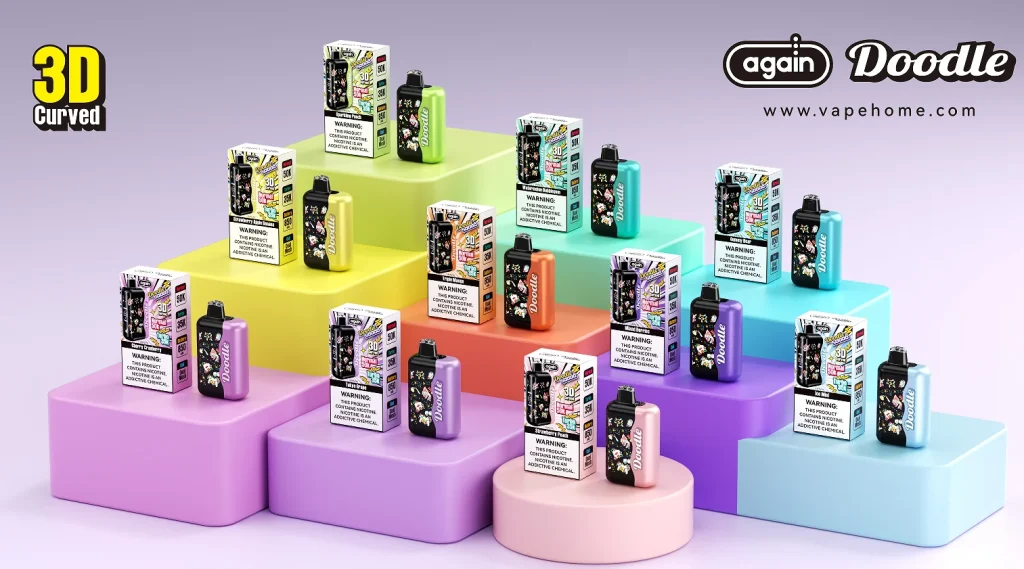
The disposable vape market continues to expand in 2026, with global estimates placing it around $8–9 billion and projections showing steady growth at a compound annual rate of 10–11% through the early 2030s. For those exploring how to start a profitable disposable vape brand in 2026, the picture in the wholesale channel has changed in directions that catch a lot of first-time operators off guard. Openings still exist, yet turning volume into steady returns takes more than releasing another device. It comes down to reading the actual demand signals early, holding every cost item in check, and securing manufacturing partners who ship consistent quality without last-minute changes. What follows pulls together the patterns visible across the wholesale side right now, weighs the genuine chances for new entrants, and steps through the moves that have kept profitable lines running.
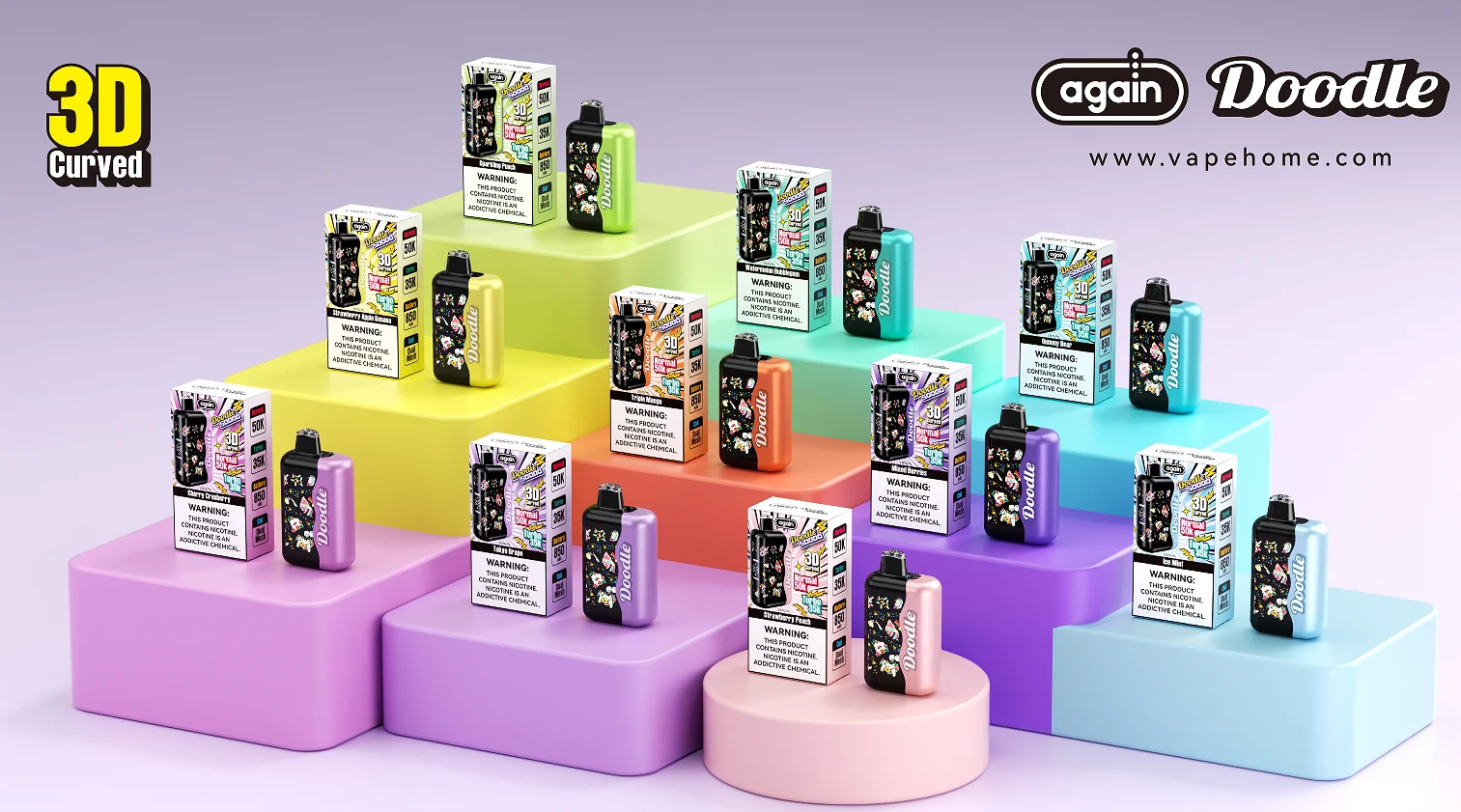
2026 Disposable Vape Market Reality Check
Figures from the past twelve months put the category at roughly $7.25–7.98 billion in 2025, and 2026 has held the same steady climb. Adult users keep reaching for simple alternatives, while small upgrades in device duration and flavor stability continue to drive repeat orders. The clearest gains show in Asia-Pacific, sections of Latin America, and a few emerging territories where need runs ahead of tighter rules taking hold in other places.
Competition has grown sharper across the board. Low-cost lines flowing out of Asia push wholesale pricing down fast, particularly on plain fixed-airflow stock. Distributors moving basic models watch margins tighten within the first few larger shipments. Layer on the regulatory shifts and the map changes again. Several European countries have tightened limits or started phasing single-use formats because of battery waste and access concerns. In the United States, state-level flavor caps plus closer checks on non-compliant goods create the same pressure. These developments steer experienced buyers toward compliant, higher-spec items instead of battling in the low-end space.
New brands hit the same practical barriers season after season. Budgets for testing, opening stock, and basic promotion often run higher than planned. Price drops arrive quicker than spreadsheets suggest. Even so, space remains where real performance counts. Rechargeable formats paired with advanced coil setups still draw steadier wholesale pull and earn stronger shelf placement. Across distributor networks the pattern repeats: lines built with actual differences keep selling month after month, while straight volume plays lose steam once the launch push ends.
Is It Still Profitable for New Brands in 2026? The Honest Answer
Disposable vape profitability for new brands in 2026 stays reachable, but only when devices move beyond interchangeable stock. Standard models still settle in the 15–25% margin band once freight, duties, and distributor shares are subtracted. Ongoing pressure from mature supply chains makes blanket-market efforts tough to maintain.
Stronger numbers surface where extra value gets engineered in. Rechargeable disposables rated at 15,000 puffs and higher, fitted with mesh coil technology, regularly support 30–50% better retail positioning. That lift translates directly into healthier wholesale margins. Niche tuning helps as well—products matched to local standards or targeted flavor directions simply avoid direct price collisions. In the wholesale lane, operators who began with small test batches and grew alongside steady manufacturing partners describe clearer routes to positive cash flow. The divide stays consistent: brands that commit to real customization and quality steps move past break-even, while those chasing the cheapest opening price run into repeated margin squeezes.
Key Factors That Determine Profitability for New Disposable Vape Brands
Product differentiation still creates the widest gap. Plain devices lose share quickly to rechargeable formats that deliver longer service and more consistent output. Mesh coil construction cuts dry hits and holds flavor steady from start to finish. Details such as USB-C charging and visible battery indicators match what end users now expect in the category.
Supply chain selections carry the same weight. Manufacturers running complete in-house checks—from incoming materials to final pre-shipment testing—block the defects and delays that quietly drain profits. The flexibility to vary puff counts, e-liquid volumes, and packaging lets brands meet exact regional needs without locking capital into oversized minimum orders.
Regulatory fit decides which doors remain open. Nicotine caps, material standards, and labeling requirements shift by market. Factories already handling CE, RoHS, and FCC documentation shorten the approval cycle and lower rejection chances at customs or retail. Brands stepping into stricter areas gain real speed when their partner already knows the local testing language.
Channel approach shapes how quickly revenue returns. Wholesale relationships built on clear specifications and dependable lead times generate repeat orders more reliably than wide campaigns. In markets that permit it, modest direct-to-consumer tests can confirm demand before larger commitments. Across every step, cost control never relaxes. Raw material swings, freight rates, and duties need constant review, yet reorder terms after the first volumes almost always ease the squeeze.
Step-by-Step Actionable Guide: How to Launch a Profitable Disposable Vape Brand in 2026
Market checking comes first and cannot be shortcut. Locking in underserved pockets—rechargeable high-puff devices for adult users in expanding regions or fully compliant lines for regulated territories—sets the foundation. Operators who skip this stage usually land squarely in oversaturated segments from the start.
Picking the OEM/ODM partner ranks as the next critical decision. A track record spanning ten-plus years, dedicated R&D, and multiple active lines separates the reliable options. Look for documented quality steps, genuine scaling capacity, and plain talk around minimum quantities plus delivery windows. Partners with testing at every stage reduce the odds of later revisions that burn both time and money.
Product specifications then get finalized together. Target puff counts from 15,000 to 50,000, e-liquid volumes aligned with local limits, and working features such as adjustable airflow or dual-coil delivery draw straight from distributor input. Close collaboration on prototypes and flavor runs guarantees the finished design meets performance and paperwork demands. Packaging that highlights the functional edge while clearing labeling rules completes the brief.
Pricing calculations need exact figures. Landed costs that include manufacture, shipping, duties, and launch expenses must still leave 30–40% for distributors and stay competitive on shelf. First wholesale numbers often stay cautious; reorder pricing, once volumes settle, nearly always improves. That progression rewards operators who keep steady reorder rhythm.
Market entry calls for focused action. Wholesale catalogs listing exact specs, minimum quantities, and lead times open distributor conversations. Trade events or B2B platforms help make the initial contacts. Small opening orders serve as live market checks before production ramps.
Growth then depends on close monitoring. Sell-through data, direct feedback, and rule updates steer the next adjustments—perhaps adding new airflow options or nicotine-free variants. Pitfalls like overstocking slow movers or missing cash-flow windows appear less often when metrics are tracked from the very first shipment.
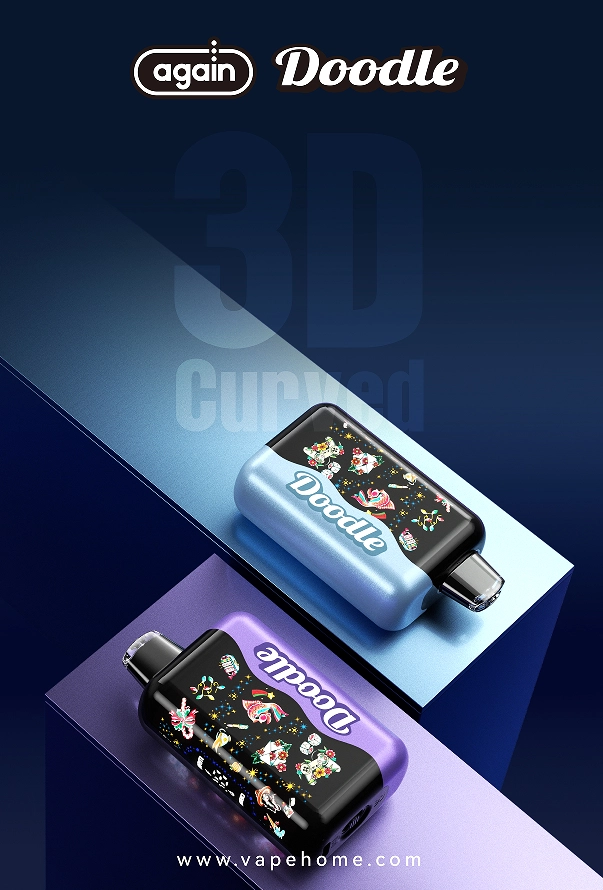
Shenzhen Vapehome Technology CO.,Ltd – A Trusted Partner for Disposable Vape Brands
Shenzhen Vapehome Technology CO.,Ltd opened in 2013 and runs a 10,000 square meter plant in Bao’an District, Shenzhen. More than a decade of focused work in disposable vape development, production, and worldwide supply has built solid expertise in OEM and ODM services for brands operating in more than 20 countries. The quality system runs from material intake checks through controlled assembly and complete testing before any shipment leaves the gate. Certifications cover CE, RoHS, and FCC, with ready support for extra local approvals when required.
Original designs created on site hold registered appearance and utility model patents, giving partners clear product edges. Production centers on high-performance disposable formats, including rechargeable models that reach up to 5,500 puffs and mesh coil systems that keep flavor consistent across the full run. The mix of competitive pricing, dependable delivery windows, and direct service has helped dozens of brands hold steady growth year after year.
Conclusion
The disposable vape sector in 2026 still leaves room for brands that match market signals with steady execution. Expansion continues, but real profitability rests on visible differences, ahead-of-time regulatory work, and manufacturing ties that deliver without fail. New operators who put functional value ahead of volume and keep close watch on costs and compliance give themselves the best shot at lasting results. Experienced supply partners take many of the daily operational headaches off the table and shorten the distance from idea to first paying orders.
FAQs
Is starting a disposable vape brand still profitable in 2026?
Yes, profitability stays realistic for new brands that concentrate on differentiated products such as rechargeable high-puff models instead of standard low-cost entries. Stronger margins appear when paired with experienced OEM support and focused market positioning, although commodity approaches encounter ongoing price compression.
How do I choose the right OEM manufacturer for disposable vapes in 2026?
Review track record for at least ten years of operation, possession of CE, RoHS, and FCC certifications, proven customization range, documented quality checkpoints, and transparent reorder pricing policies. Suppliers with integrated testing and adaptable minimum order quantities minimize production delays and quality issues while accommodating brand-specific requirements.
What puff count should my disposable vape products have to stay competitive in 2026?
Rechargeable models rated at 5,000 puffs or above perform well because users prefer extended service life. Lower ranges from 1,500 to 2,500 puffs suit budget lines, yet higher-capacity versions equipped with mesh coils support premium wholesale pricing and faster sell-through rates in distributor channels.
How do regulations affect new disposable vape brands entering the market in 2026?
Rules differ widely by region—certain European markets limit or restrict single-use formats over environmental and access concerns, while other areas accept compliant products. Brands must verify nicotine limits, material standards, and labeling compliance, which benefits from manufacturer assistance with testing records and documentation.
What common mistakes do new brands make when ordering disposable vapes wholesale?
Frequent oversights include underestimating differences between initial and reorder pricing, assuming shorter lead times than actual, or bypassing thorough prototype validation. Additional issues arise from weak volume-term negotiations or incomplete attention to regional compliance details, resulting in elevated costs or shipment rejections. Beginning with modest validated orders helps avoid these setbacks.