


Picture the moment a carton is opened on a retail buyer’s desk. The device looks finished. Its box looks finished too. The buyer asks, “Is this exactly what I would receive?” If the answer is “almost,” the distributor needs to know what that word covers before the meeting, not afterwards. A handsome sample can create a very precise expectation, even when nobody intended to make a promise.
That is the awkward part of sending sales samples during a vape launch. A brand may want early feedback on a refillable kit or one of several disposable vape models while artwork, names or other commercial choices remain open. The factory needs an approved reference for production; the distributor needs a credible item to discuss with adult retail buyers. Those are separate jobs. A simple record, attached to the right physical unit, keeps them separate.
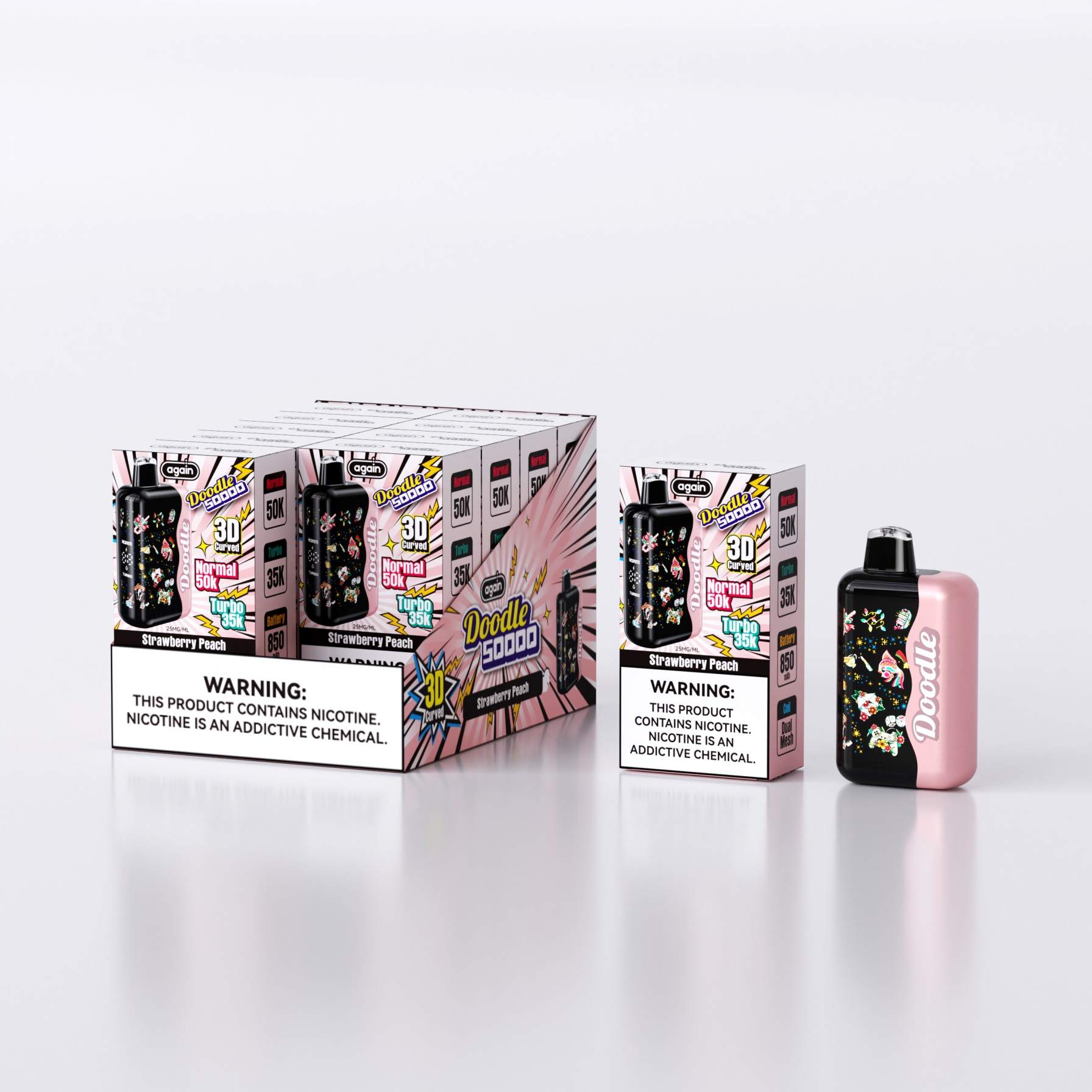
What Does “Approved Sample” Actually Mean Here?
Ask which decision the sample supports. A sales unit can help a buyer assess how a proposed model looks and how it would be presented. An approved production reference tells the factory which agreed version to reproduce. The two may be identical, but a sales handoff alone is not evidence of approval. “The distributor likes it” is useful feedback; it is not an instruction to change the factory’s reference.
Oddly, the risk increases as the product gets closer to final. People naturally treat a nearly finished device as finished. If the brand has not approved a particular element, the accompanying note should name it. “Preliminary” on its own gives the sales team too little to work with.
What Would You Need to Identify This Sample Later?
Think of the question that may land in the brand’s inbox six weeks later: “Which unit did we show that buyer?” The record should make the answer possible. Put the model and variant beside a sample ID, version date, recipient and dispatch date. Add a sentence about why it was sent. Was this a first look, a commercial evaluation, or a copy of the signed-off production version? A photograph of the device with its package can settle an argument that a model name alone cannot.
Where can the ID sit without spoiling the device?
Keep stickers off the device if they obscure information or make it awkward to show. Put the ID on a removable sleeve or case instead. If the case could be separated from the unit, take a photograph of them together before shipping. Ask the recipient to quote the ID when sending feedback. “The black one” is not a reliable reference when the brand has more than one black sample.
The APOC GT-ONE Refillable Pod Vape Kit offers a concrete example of a public product reference. Its official page can support a discussion of the listed model, but a privately prepared sales unit may have a different configuration or provisional presentation. The record must describe the actual unit. A web page cannot do that on its behalf.
Spell out what is still open
Write “outer-box artwork not approved” if that is the situation. Write “variant name pending” if that is the decision. Specific notes allow a distributor to answer the buyer honestly without turning every question into a call back to the brand. They also prevent an unfinished detail from appearing in a retailer’s order plan as though it were settled.
How Should a Brand Handle Comments from the Field?
First capture the observation. What did the buyer see, and which sample did they see it on? A comment such as “the two variants were difficult to tell apart on the counter” gives the brand a problem to investigate. “Change the housing” is a proposed solution, not the observation itself. Keeping those apart leaves room to consider packaging, naming or sales material before changing the product.
Suppose sales returns with that comment and a sketch of a different housing. The sketch is worth discussing, but it is not yet the next production reference. The brand can look first at the buyer’s original difficulty, then decide whether the response belongs in the product, the box or the sales sheet. If it does change the approved version, date the new reference and retain the earlier sample record. Otherwise, a later buyer’s description may seem inexplicable when it actually matches the unit shown at launch.
Where Do the Earlier Samples Go After a Change?
The first task is less glamorous than approving the replacement: find the old units. Search the register by version and call the named holders. One unit might still be useful to show how a design evolved, but the person showing it needs to say which version it is. If its package could be mistaken for today’s offer, ask for it back. The holder should receive that decision from the brand, not infer it by looking at a sample that still appears new.
Nor does a returned demo belong in ordinary inventory by default. It may have travelled through several meetings, and its package may never have been intended for sale. Decide what to do with the physical unit separately from the factory’s production instructions. A buyer looking at the current disposable vape category sees the range presented online; the note in a sample case must identify the particular version inside it.
How Can Vapehome Support a Better Sample Request?
Shenzhen Vapehome Technology Co., Ltd. presents product development, manufacturing and OEM/ODM activity on its official site. For a brand owner, the useful opening question is not simply “Can you send the latest sample?” It is “Can you supply this model in the configuration we intend to show, and which details are already confirmed?” Naming the recipient and the decisions still open gives the Vapehome team a request it can answer precisely.
Before scheduling the distributor meeting, check with the Vapehome team what can actually be supplied and which product information belongs to that configuration. The brand can prepare the ID and status note once it knows the answer. Sales can then show the device without asking the factory to interpret the meeting as an approval decision.
Conclusion
The device on a buyer’s desk may look more final than the decisions behind it. That is why the little card in its case matters: it names the unit, its status and the details still open. Keep the version trail after the meeting, too. If the brand later needs an early sample back, it can find the holder without relying on memory; a conversation with a buyer will not quietly become a change to the factory’s instructions.
FAQs
Can a signed-off production sample be used in a sales meeting?
Yes. Record that it is the approved version and check that the sales information alongside it matches. The sales meeting itself does not replace the approval record.
What if the device is ready but the box is not?
It can still be useful for a discussion about the device. Tell the recipient exactly which artwork or package detail remains open. The mock-up should not be described as the box a retailer will receive.
Which details make distributor feedback actionable?
Ask for the unit ID, the buyer’s words and the detail that prompted the comment. Keep any suggested fix in a separate line. That distinction lets the brand investigate the problem without treating a sales suggestion as an approved design change.

