


Store buyers seldom turn down a vape item just because it looks boring. Instead, they usually hold off on making choices. This happens when details are missing, confusing, or hard to weigh against other options. A well-organized vape product information sheet assists distributors, wholesale partners, and retail purchasers. It lets them grasp exactly what they plan to buy. It also shows how the merchandise suits their current stock. Furthermore, it highlights any facts that still need checking.
When brands offer disposable vape products, this document must serve as a handy purchasing aid. It needs to make item comparisons and sales training much easier. It should also aid in placing orders and managing internal files. Buyers should never have to dig through messy emails or outdated catalog drafts to find facts.
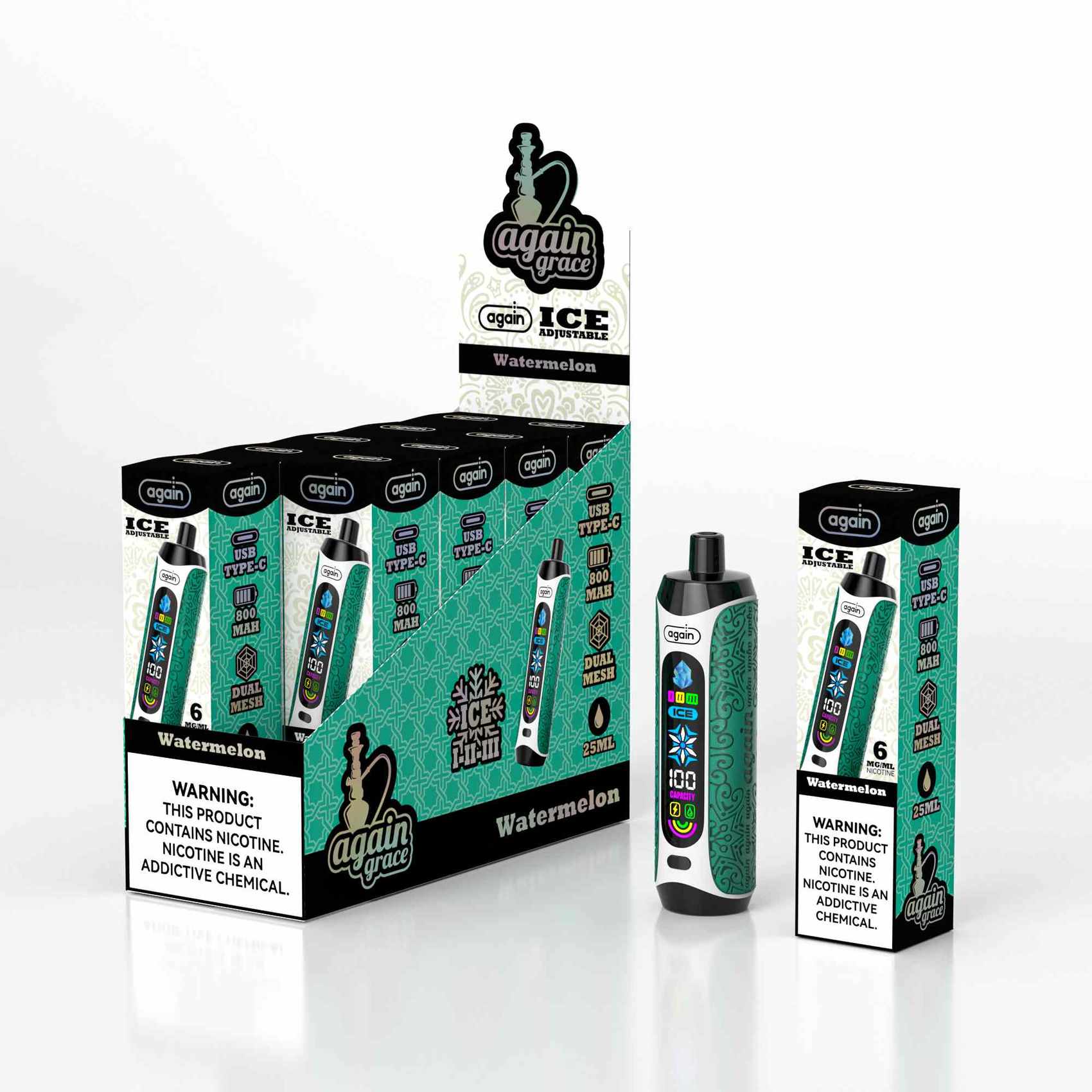
What should a vape product information sheet include?
A highly effective document starts with clear item identity. The provided details must allow a purchaser to tell one SKU apart from the rest without any hassle.
Start with identity and ordering fields
Every single file needs to display the product name, model name, and item number clearly. It must also list the product category, available choices, and the most recent update date. Sometimes, the merchandise comes in various flavors, colors, or nicotine strengths. It might also use different package styles. In these cases, each specific version requires its own distinct reference code.
The exact product name spoken by the sales staff must match the text on price quotes and billing invoices. It should also align with packaging artwork and order sheets. Tiny spelling mistakes often cause massive headaches when a client tries to restock. A straightforward SKU setup is very beneficial here. It helps distribution partners figure out if they are looking at a brand-new release, a current staple, or an updated replacement.
This specification document must clearly state the device type. It should note if the unit is disposable, rechargeable disposable, or refillable. It might also be part of a pod system. These specific classifications heavily impact the buyer’s retail display strategy. They also change how shop owners educate users and manage their backroom stock.
Explain product use and channel fit
Retail purchasers require much more than a basic list of technical jargon. They genuinely need to know the target audience for the device. They also must figure out where it belongs on their store shelves.
Take a rechargeable disposable model like again X PRO as an example. You can describe it by listing its product category and charging method. You should also include the juice capacity, estimated puff count, and nicotine strength. Sellers must present these points as solid facts. However, these facts still need local market checks before anyone publishes them.
The file can also suggest the best retail settings for the item. It might fit well in local convenience shops, dedicated vape stores, or digital wholesale platforms. It could even suit a blended sales approach. This guidance does not need wild marketing promises. A brief summary of the physical design, upkeep needs, and main selling features works wonderfully. This factual approach always beats vague words like “best” or “premium.”
How can the sheet help retail buyers compare products?
A purchaser might look over multiple items during a single meeting. Therefore, the layout of the document must allow for rapid evaluations. At the same time, it has to keep every detail perfectly accurate.
Turn specifications into useful comparison points
A strong wholesale vape product information sheet always groups similar facts together. Details about physical size, battery power, and charging style belong in one place. The same goes for e-liquid volume, coil material, nicotine levels, flavor choices, and box dimensions. Writers should never scatter these crucial metrics across random pages.
A refillable device needs a different layout than a single-use unit. Consider a client looking at a refillable pod system. This person likely wants facts regarding the pod design and the juice filling steps. They also need to know about matching coils and spare parts. On the other hand, a disposable item demands different data. Buyers will ask if they can recharge it. They will also want to know about the box style and how to view the advertised puff count.
The text used for comparing items must stay completely neutral. The document should avoid claiming that one specific model is vastly superior. Instead, it can point out why a certain feature works well in a specific shop setting. A tiny device might look great near the checkout register. Meanwhile, a complex refillable setup often demands extra staff training and careful accessory stocking.
Add commercial and compliance fields
Store purchasers frequently rely on shipping data just as heavily as hardware specs. The document needs to show box quantities, master carton weights, and available style choices. It should also list sample availability and the main email for price requests. Factory minimums, production times, and exact costs require special handling. You should only type those in after confirming them for the exact region and deal.
Legal and regulatory fields demand extreme caution. The file can name the test reports or safety certificates that a client must read. However, it absolutely must not suggest universal global approval. Permitted nicotine levels and hazard warnings change frequently. Box language and local registration rules also vary widely by country.
A device like the APOC GT-ONE shows exactly why precise model data is crucial. Its main website lists a refillable pod layout and a 2 ml juice tank. It also mentions a 1.0-ohm mesh coil and a tough zinc alloy body. A document meant for clients must copy these exact official numbers. After that, it should highlight any minor details that still need double-checking for a specific country.
Why should brands keep one controlled source?
Sharing product details gets quite dangerous when various departments rely on separate files. The sales crew might hold one flavor menu. Meanwhile, the design team might print a completely different item name. To make things worse, a wholesale partner could easily receive an outdated spec sheet.
A strictly managed master document provides the company with a single source of truth. Every new edit must display the current date and a clear version number. It also needs the author’s name and a brief summary of the changes. Managers can save older drafts for historical tracking. Even so, the front-line sales staff must always know which file is active.
This disciplined method also works wonders when a device evolves over its lifespan. Factories often release a fresh box design or rename a popular flavor. They might also swap the charging port or tweak an internal part. Staff must log these shifts clearly. This prevents clients from mixing up older stock with newly built units. The main objective is straightforward. The reference file must answer questions rather than spark new confusion.
How can a supplier support clearer product information?
A trustworthy manufacturing partner should assist a brand in sorting out device facts. They must do this long before anyone emails the data to global distributors. For instance, Shenzhen Vapehome Technology lists its disposable vape R&D and assembly capabilities on its corporate site. It also handles global sales and OEM/ODM projects. For a trademark owner, this organized data swap is incredibly helpful. It smooths out the initial hardware selection. It also speeds up box design and seasonal sales forecasting.
The factory partner can boost this workflow by verifying the exact model name and the latest text descriptions. They can also confirm color choices, box dimensions, and regional compliance papers that still need a legal review. After gathering this, purchasers can confidently drop the identical facts into printed catalogs and price quotes. They can also use them on website pages and live pitch decks.
Conclusion
A solid vape product information sheet must help a purchaser resolve daily questions rapidly. They need to know what the device is and which exact SKU is on the table. They also must understand the target user and how the unit stands out from rival models. Finally, they need to spot any data that remains unconfirmed. Crisp identity labels and neatly sorted technical specs achieve this. Adding solid shipping facts and strict version tracking makes the document valuable during every step of the deal.
For disposable vape brands and refillable pod suppliers, upgrading data accuracy offers huge benefits. It can significantly cut down on endless internal meetings. It also slashes the number of shipping errors. Ultimately, it gives retail partners much more confidence when they study a newly launched SKU.
FAQs
What is a vape product information sheet?
It is a highly organized file that outlines a vape product’s core identity and technical specs. It also lists color variants, box sizes, purchasing rules, and vital legal paperwork. This helps both buyers and sales teams stay aligned.
Should pricing be included in the information sheet?
You may type in the costs only after confirming them for a distinct region and a set volume. If things are still flexible, it is much wiser to send a separate price quote. This strategy keeps the main reference file highly accurate over a long period.
How often should a product information sheet be updated?
You must revise the file anytime the product name, SKU, or flavor menu shifts. You should also update it if the box design, technical specs, safety papers, or buying rules change. Every newly saved draft needs to display a clear date and a tracked revision number.

