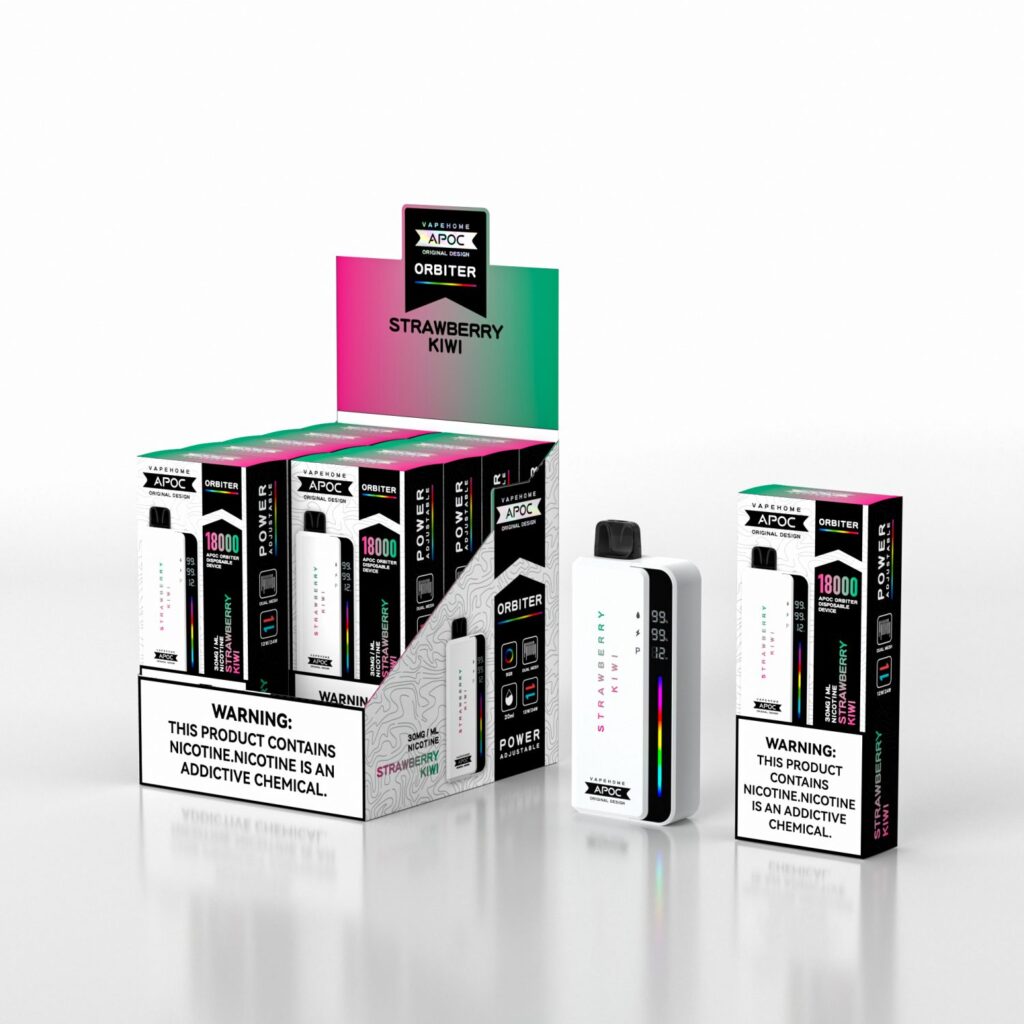
A packaging file can look polished and still be the wrong file for the press. One device may be sold in several markets, each with its own language, flavor panel, carton mark, or artwork revision. When those files travel through email, an older design can win simply because it has a familiar filename. A market-specific routine answers one useful question: which file is approved for this product, in this market, for this order?
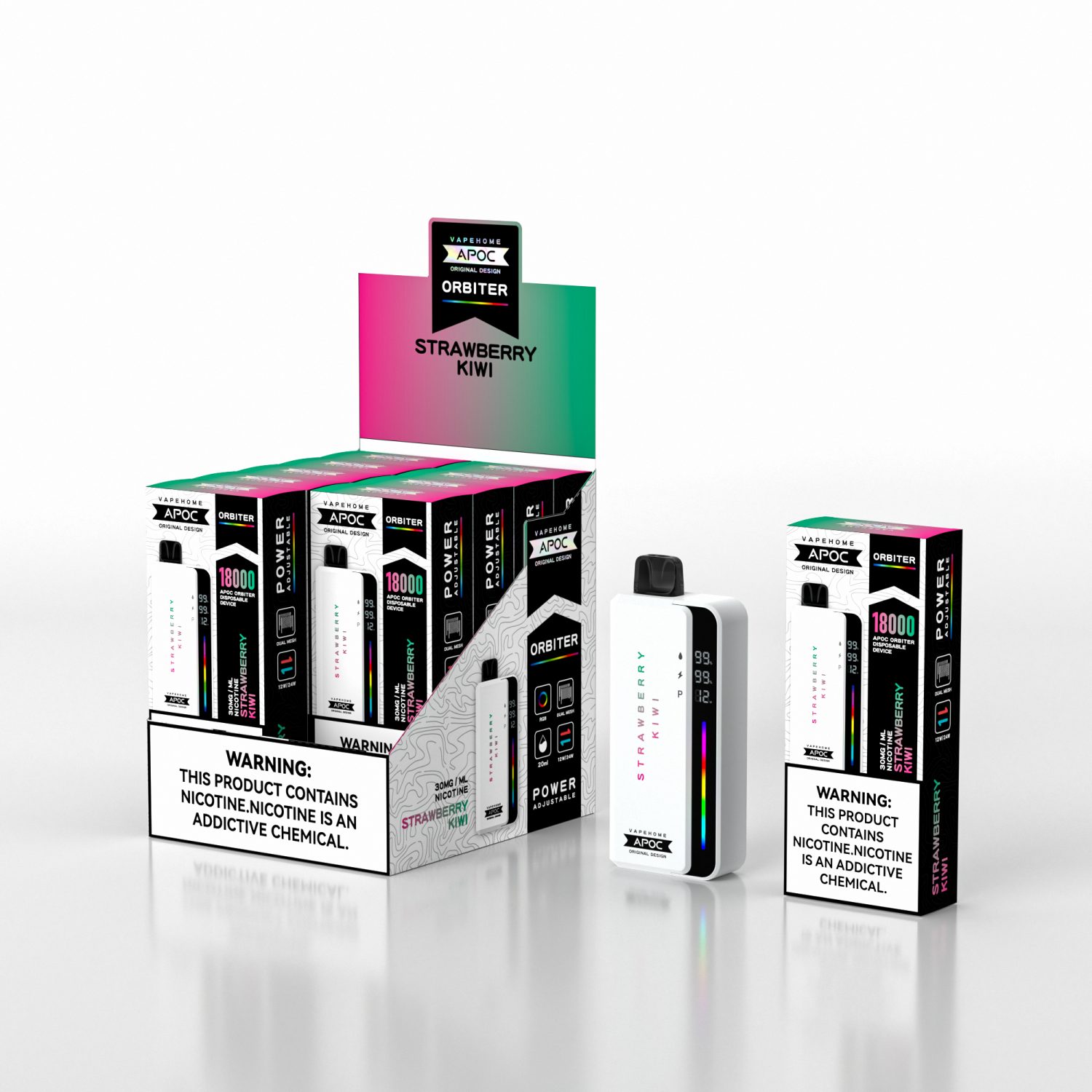
Separate market decisions from design decisions
Start by separating a market question from a design question. A language line or label panel may need local review. A color, image, or layout change is creative work. Both may sit on the same box, but they deserve different decisions. A private-label vape packaging checklist can help the brand collect the basic inputs before the factory sees the artwork.
Name the destination and language directly
“Front-final” tells a factory almost nothing. Put the model, destination, language, component, and revision in the file record. The exact format is up to the team, but someone opening the folder should know whether the file is for a box, label, insert, or master carton. Local review remains the brand’s responsibility; a filename is not approval.
Keep product references beside the artwork
Put the exact model, item number, flavor or variant, and component beside the artwork. For the again NOMI refillable pod kit, the device box, pod packaging, master carton, and insert are different files even if they use the same product photo. Similar pictures do not make files interchangeable.
Build a small package the factory can check
The factory needs three things: what to print, what is reference-only, and what still needs confirmation. The package can be small. It simply needs the right pieces in a predictable order, with old versions marked so they are not chosen by accident.
Keep editable and print-ready files together
Keep the editable design file and the print-ready PDF under matching revision names. The editable file is for later changes; the PDF shows the intended output. Include fonts, linked images, dielines, color references, and bleed information when needed. A flattened image alone may not show which elements are locked.
Add a one-page artwork checklist
The checklist can be one page. Name the model, market, language, flavor, components, approval status, approval date, and contact person. List files that must not be used, such as an earlier flavor panel or superseded carton. A short checklist is often clearer than another long email.
Use two reviews before the production freeze
The two reviews have different jobs. The brand checks the wording for the intended market. The factory checks whether that approved wording fits the specified box, label, insert, or carton. Keeping the jobs separate makes corrections easier to explain and discourages silent edits.
Brand approval confirms the content
Before handoff, confirm the model, variant, language, market, image, flavor wording, and required information. If variants share a template, mark the changeable and locked areas. A recorded approval is safer than “use the latest version” after several attachments have been exchanged.
Factory preflight confirms the physical use
The factory can check the dieline, printable area, component type, and file format. It can flag a logo outside the safe area or a carton file that does not match the requested box. That is a production check, not market approval. Proposed adjustments should return to the brand.
Handle artwork changes after sampling without losing control
A sample may reveal a small logo, a hard-to-read flavor panel, or a color that looks different on the chosen material. Record the observation and create a new revision. Note the old file, new file, reason, approval, and first order affected. Quietly replacing an attachment hides the decision.
Separate corrections from new creative work
A correction fixes an agreed mistake, such as a typing error or the wrong model reference. New creative work changes the visual direction, color system, or image choice. Give the two requests separate decisions. Otherwise, an urgent correction can become mixed with an optional redesign.
Freeze the version for the current order
A production freeze tells the factory which artwork belongs to the order. It does not prevent future improvements. It simply sends later ideas into a later revision unless the current order is formally changed. This boundary helps protect materials that have already been prepared.
Ask the factory for clear packaging handoff information
The factory should tell the brand which components need artwork, which file formats work, and which physical checks occur before printing or assembly. The official Pod System collection shows why exact product references matter: several refillable models can sit in one portfolio while having different descriptions and kit contents.
Packaging coordination with Shenzhen Vapehome Technology
Shenzhen Vapehome Technology Co., Ltd. presents R&D, manufacturing, sales, and OEM/ODM services on its official profile. A useful packaging discussion can cover the model reference, components, artwork status, review points, and production handoff. The brand remains responsible for market wording and approvals; the factory confirms how the approved files will be used.
Conclusion
Market-specific packaging is easier to control when every file states the product, market, language, and revision. Keep editable artwork, print-ready output, a short checklist, and a change history together. Brand approval and factory preflight can then work as two connected reviews, reducing the chance that an outdated file or mixed variant reaches production.
FAQs
Does every market need a separate packaging file?
Use separate controlled files when language, label content, flavor presentation, or packaging requirements differ. If markets share artwork, record that relationship clearly.
Who approves market-specific packaging wording?
The brand owner should approve wording for its destination market with the appropriate local review. The factory can check preparation and production use.
When should artwork be frozen?
Freeze it after the brand approves the content and the factory confirms that the file fits the intended component. Later changes should receive a new revision.